
Guide To Harmful Toxins In Your Cosmetics & Makeup Chart

The beauty industry is a vast and lucrative multi-billion-dollar machine that encompasses everything from skincare and makeup to haircare and fragrance products. This industry often prioritizes factors such as shelf-life and “spreadability”, the ease with which a product can be applied or spread on the skin, over critical considerations for your endocrine system and overall long-term health.
Many consumers may assume that government agencies are thoroughly vetting every chemical that goes into the products they use daily. However, the reality is quite different.
In the United States, for example, the Food and Drug Administration (FDA) does not mandate that cosmetic products or their ingredients receive FDA approval before they can be sold in the marketplace. The only exception to this rule pertains to color additives, which do require certification.
This loophole means that a myriad of chemicals, some potentially harmful, can be included in cosmetic formulations without rigorous testing for safety. As a result, consumers may unknowingly apply substances linked to adverse health effects due to the lack of regulatory oversight. It is essential for individuals to be informed about the ingredients in their beauty products and to consider the long-term implications for their health and wellness.
Table of contents
Best Skincare Ingredients Checker Apps In 2026
The market for ingredient scanners has exploded. In 2026, these apps will have moved beyond simple “red light, green light” ratings into AI-driven analysis that considers your specific skin type and even pregnancy safety. Here are the top contenders you should have on your phone right now:
Yuka (The Gold Standard for Speed)
With a database of over 2 million cosmetic products, Yuka remains the most popular choice for shoppers in 2026. Its interface is incredibly concise: you scan a barcode, and it gives you a score from 0 to 100.
Why it works: It uses a color-coded system (Excellent, Good, Mediocre, Poor) and provides a breakdown of why an ingredient is flagged (e.g., “Endocrine Disruptor” or “Potential Allergen”).
The 2026 Edge: It now provides “cleaner alternatives” for almost every poorly rated product, making it easy to swap toxic soaps for safer options like Tangieco.
OnSkin (AI-Powered Customization)
OnSkin has become a favorite in 2026 because it doesn’t just look for “toxins”—it looks for a match for your skin.
Safety & Efficacy: It uses AI to analyze the safety profile of a product while simultaneously telling you if the ingredients will actually help your specific concerns, such as acne or rosacea.
Transparency: It flags high-concentration alerts, meaning it tells you if a “harsh” ingredient is at the top of the list (making it more likely to irritate) or at the very bottom.
Think Dirty
Think Dirty remains a powerhouse for those who want to avoid “greenwashing.” It focuses exclusively on the chemical “dirtiness” of personal care products. Its “Dirty Meter” gives a clear 1-10 rating, with 10 being the most toxic. It is particularly ruthless when it comes to “fragrance” and synthetic musks.
INCI Beauty & INCIDecoder
If you prefer facts over “scores,” these tools are for you. INCIDecoder allows you to copy and paste a long list of ingredients from a website and instantly translates them into plain English.
Function-Focused: Instead of just saying “this is bad,” it explains that Sodium Laureth Sulfate is a surfactant and Propylparaben is a preservative. It is the best tool for those who want to learn the science behind the label.
OBaby (Specialized Safety)
A new standout in 2026, OBaby is designed specifically for pregnant women and parents. Many “safe” ingredients in standard cosmetics are actually contraindicated during pregnancy (like certain retinoids or chemical sunscreens). This app filters specifically for reproductive safety and infant health.
Toxic Ingredients in Cosmetics
The list of toxic ingredients in cosmetics is long, but several “repeat offenders” dominate the industry. These chemicals aren’t just minor irritants; they are systemic disruptors.
Parabens (Methyl-, Ethyl-, Propyl-, Butyl-)
Parabens are found in almost every liquid cosmetic to prevent mold growth; they are notorious endocrine disruptors. They mimic estrogen in the body. When your hormonal balance is hijacked, you risk reproductive issues and an increased risk of breast cancer.
If a product is liquid and sits on a shelf for years, it likely contains these unless stated otherwise.
Phthalates (DBP, DEHP, DEP)
Often hidden under the catch-all term “Fragrance” or “Parfum,” phthalates make plastics flexible and help scents stick to your skin. They are linked to early puberty in girls and reduced sperm counts in men.
Because “fragrance” is considered a trade secret, companies don’t have to tell you which phthalates they are using. If you see “Fragrance” on a label, assume it is toxic.
Formaldehyde Releasers
You won’t usually see “Formaldehyde” on a label, but you will see chemicals like DMDM hydantoin, Quaternium-15, and Imidazolidinyl urea. These chemicals slowly leak formaldehyde, a known human carcinogen, over time to keep the product sterile. You are effectively “pickling” your skin.
Carbon Black
Used in eyeliners and mascaras to provide that deep, dark pigment, Carbon Black is linked to cancer and organ system toxicity. It is a product of the incomplete combustion of heavy petroleum products. If you’re putting this near your tear ducts daily, you are inviting chronic inflammation.
Makeup Toxicity Chart
When you look at your makeup kit, you need to categorize products by their risk level. Heavy pigments and “long-wear” formulas are usually the most dangerous. Use this breakdown to audit your bag:
| Personal Care Products | Common Toxic Culprits | Issues You Can Face |
| Foundation & Powder | Talc, Silica, Parabens | Lung damage (if inhaled), Ovarian cancer, Hormonal disruption. |
| Lipstick & Gloss | Lead, Cadmium, Manganese | Neurotoxicity, Kidney damage, Heavy metal accumulation. |
| Mascara & Eyeliner | Carbon Black, Thimerosal (Mercury) | Carcinogenicity, Eye irritation, Mercury poisoning. |
| Blush & Bronzer | Synthetic Dyes (D&C Red 6, etc.) | Skin sensitivity, potential organ toxicity. |
| Waterproof Formulas | PFAS (“Forever Chemicals”) | Thyroid disease, immune system suppression. |
The Lead Problem –
Lead is a neurotoxin that poses serious health risks, particularly when it comes to cosmetic products. While companies do not intentionally add lead to their lipsticks, it often enters these products as a contaminant from the mineral pigments derived from natural sources. These pigments are commonly used to provide the vibrant red color that many people desire in their lip makeup. As a result, even popular brand lipsticks can be tainted with this harmful substance.
Frequent reapplication throughout the day compounds the problem, as it increases the amount of lead that is absorbed into the body. Unfortunately, there is no established “safe” level of lead exposure, meaning that any amount can be detrimental to health.
The accumulation of lead in the body can lead to a range of adverse effects, including neurological damage, developmental delays in children, and various other serious health issues. Thus, it is crucial for consumers to be aware of the potential risks associated with lead in cosmetics and to consider alternatives that are free from harmful contaminants.
Harmful Ingredients in Sunscreen
Sunscreen is marketed as a health essential, yet many conventional formulas contain harmful ingredients that may be worse than the sun exposure they prevent. There are two types of sunscreens: Chemical and Mineral. Chemical sunscreens are the primary offenders.
Oxybenzone
This is the most common chemical filter. It penetrates the skin easily and enters the bloodstream. It acts like a powerful synthetic estrogen and has been linked to endometriosis. Furthermore, it is a massive environmental hazard, causing coral bleaching and destroying marine ecosystems.
Octinoxate
Another chemical filter that is rapidly absorbed by human skin. It affects the thyroid and can alter reproductive hormones. If your sunscreen feels “light” and “invisible,” it’s likely using these hormone-mimicking chemicals to absorb UV rays.
Retinyl Palmitate (Vitamin A Palmitate)
While Vitamin A is great for night creams, it is dangerous in the sun. When exposed to UV rays, retinyl palmitate can speed up the development of skin tumors and lesions. It is an antioxidant that turns into a pro-carcinogen under the afternoon sun.
The Solution: Stick to “Non-Nano” Zinc Oxide or Titanium Dioxide. These stay on top of the skin and reflect light like a mirror rather than absorbing chemicals into your blood.
Harmful Ingredients in Body Lotion
Your skin is your largest organ. It is porous and highly absorbent. When you slather a product over 90% of your body, you are providing a direct delivery system for harmful ingredients in body lotion.
Mineral Oil and Petrolatum
A byproduct of petroleum refining, these oils coat the skin like plastic wrap. While they “lock in moisture,” they also clog pores and prevent the skin from eliminating toxins. If not highly refined, they can be contaminated with PAHs (Polycyclic Aromatic Hydrocarbons), which are linked to cancer.
PEGs (Polyethylene Glycols)
These are used as thickeners and solvents. The danger isn’t just the PEG itself, but the manufacturing process. PEGs are often contaminated with 1,4-dioxane and ethylene oxide, both of which are potent carcinogens. These contaminants are not listed on labels because they are “impurities,” but they are present in a staggering number of lotions.
BHA and BHT
Butylated hydroxyanisole (BHA) and butylated hydroxytoluene (BHT) are synthetic antioxidants used as preservatives. BHA is a “reasonably anticipated human carcinogen” according to the National Toxicology Program. They interfere with hormone functions and can cause liver and kidney issues.
Fragrance and Synthetic Musks
Because body lotion is applied so liberally, the “fragrance” chemicals are absorbed in high doses. Synthetic musks (like Galaxolide) build up in your body fat and have even been detected in human breast milk.
Harmful Ingredients In Your Soap & Shampoo
Most commercial soaps and shampoos are technically detergents, not “soap.” They rely on aggressive chemistry to create that satisfying foam, but that lather comes at a steep physiological cost.
Sodium Lauryl Sulfate (SLS) and Sodium Laureth Sulfate (SLES)
These are the “engine degreasers” of the beauty world. SLS is a harsh surfactant used to create foam, but it is a known skin irritant that strips your natural oils, leading to dermatitis and scalp irritation. To understand sulfates, you need to know your hair & scalp health better; sometimes they are the reason behind your hair issues.
Sulfates, specifically Sodium Lauryl Sulfate (SLS) and Sodium Laureth Sulfate (SLES), are surfactants. Their job is to lower the surface tension of water so it can trap oil and dirt to be rinsed away. The problem? They don’t know when to stop.
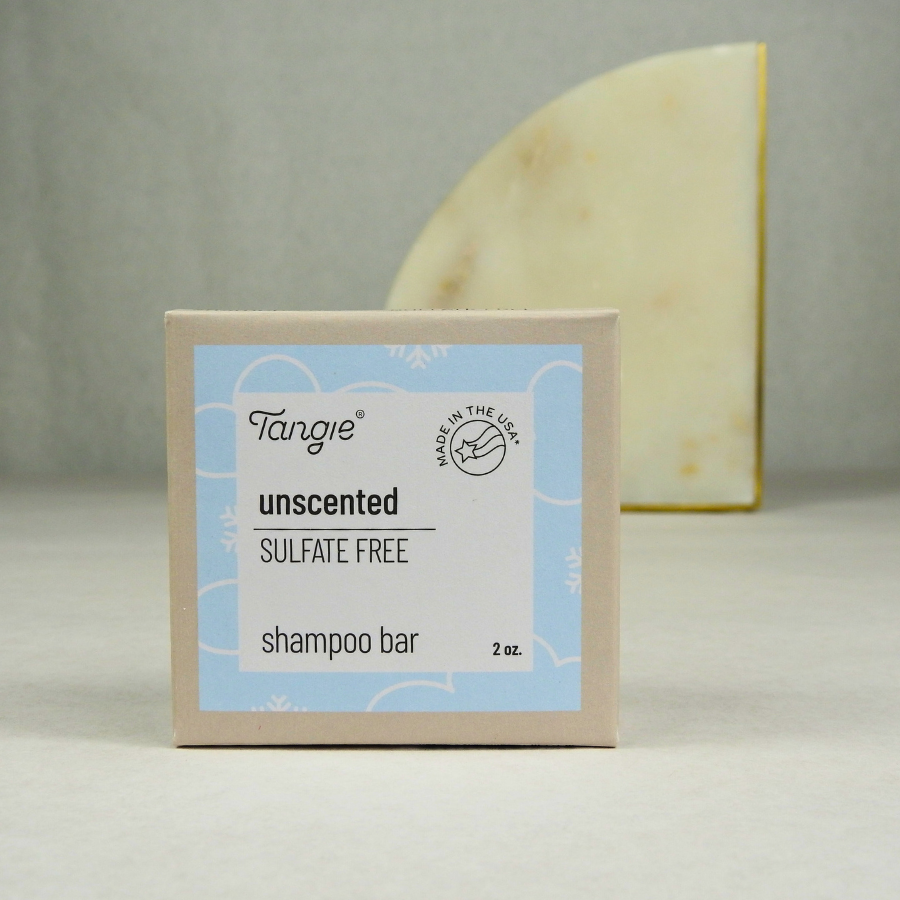
Impact of Sulfate on Hair & Scalp
Your hair is not just a dead filament; it is protected by a delicate layer of lipids and a cuticle “shingle” structure. If you don’t understand your hair & body, sulfates can definitely cause damage to it.
Sulfates act like a chemical sandblaster on these layers:
- Protein Stripping: Hair is made of keratin. Constant exposure to harsh sulfates can weaken the protein bonds, leading to “mushy” hair that loses its elasticity and snaps easily.
- Color Fading: If you pay for professional hair color, sulfates are your greatest enemy. They pry open the hair cuticle, allowing the expensive pigment molecules to wash straight down the drain.
- The Frizz Cycle: By stripping away the natural sebum (oil) that keeps the cuticle flat, sulfates leave the hair “open.” Moisture from the air enters the shaft, causing it to swell and resulting in chronic, uncontrollable frizz.
Scalp Irritation and “Rebound Oiliness”
The impact on your scalp is even more insidious. When you use a high-sulfate shampoo, you strip the scalp of its entire acid mantle, the natural oily film that protects you from bacteria.
- Contact Dermatitis: Sulfates are known skin irritants. For many, this manifests as redness, itching, or “dandruff” that is actually just a chemically parched, peeling scalp.
- The Oil Trap: When you strip your scalp of all oil, your sebaceous glands go into panic mode. They overproduce oil to compensate for the dryness, leading to a “greasy by noon” feeling. This forces you to wash more often, creating a vicious cycle of chemical dependency.
Even worse, SLES (the “milder” version) often undergoes a process called ethoxylation, which frequently contaminates the product with 1,4-dioxane, a potent carcinogen that isn’t listed on the label.
Triclosan and Triclocarban
Often found in “antibacterial” liquid and bar soaps, these are aggressive pesticides. They don’t just kill “bad” germs; they wipe out your skin’s healthy microbiome and are linked to thyroid dysfunction and the rise of antibiotic-resistant “superbugs.”
The FDA has banned them in some contexts, but they still sneak into various formulations under different names.
Synthetic Fragrance (Phthalates)
The “Spring Meadow” or “Old Spice” scent in your soap is almost certainly a synthetic chemical soup. As mentioned before, “fragrance” is a legal loophole that allows companies to hide hundreds of unlisted chemicals, including phthalates, which are notorious endocrine disruptors.
If your soap scent lingers on your skin for hours, it’s because of these “fixatives” that shouldn’t be in your bloodstream.
Parabene and Methylisothiazolinone (MIT)
Because shampoo is mostly water, it is a breeding ground for bacteria. To give it a three-year shelf life, companies use parabens or MIT.
While parabens mimic estrogen, MIT is a powerful allergen and neurotoxin that has been linked to nerve damage in lab studies. If you have a “mystery” itchy scalp, MIT is often the hidden culprit.
Synthetic Colors (D&C Red, etc.)
That bright blue or pearlescent green shampoo isn’t natural. These colors are derived from petroleum or coal tar sources. Many synthetic dyes are respiratory irritants and have been linked to ADHD in children and various forms of cancer. Your scalp is one of the most absorbent parts of your body; don’t feed it industrial dye.
Take Control of Your Skin & Skincare Routines
The “beauty” in the bottle is often a cocktail of industrial chemicals. Companies rely on your brand loyalty and your fatigue. They expect you to look at the pretty packaging and ignore the sixty-letter chemical names on the back.
Don’t let them. You must become a proactive consumer. Understand beauty products not just for how they make you feel, but also for how well they interact with your body.
Read the labels: If you can’t pronounce it, or if it says “Fragrance” without a source, put it back.
Use the EWG Skin Deep Database: This is your most powerful weapon. Before you buy, search for the product or the ingredient. It ranks products from 1 (Safe) to 10 (Toxic) based on compiled scientific data.
Simplify: You don’t need a 12-step routine filled with synthetics. High-quality, plant-based oils and mineral-focused products are often more effective and infinitely safer.
Your health is not a fair trade for a temporary “shimmer” or a synthetic “ocean breeze” scent. Clean up your cabinet today.


