
How To Identify The Harmful Ingredients In Your Beauty Products?

In our daily routines, beauty products are often a staple, enhancing our appearance and boosting our confidence. However, many of us remain unaware of the potential dangers lurking within these seemingly harmless items. When we apply cosmetics, we are often exposing our skin to an array of toxins and chemicals that can have detrimental effects on our health over time.
These cosmetic chemicals are not just empty labels; they can penetrate the skin and enter the bloodstream, leading to unseen consequences. Long-term exposure to certain toxins in beauty products may be linked to hormonal disruptions, skin irritations, and even more severe health issues. As consumers, it’s crucial to educate ourselves about what we apply to our bodies.
Even though many chemicals present in cosmetics may not pose significant threats, such as sulfates, SLS, etc, certain compounds have been associated with severe health issues, including cancer. This concern has led to heightened scrutiny and calls for regulation within the industry.
Table of contents
Toxic-Free Chemicals Act Explanation
This bill aims to prohibit the use of many hazardous chemicals in cosmetics, promoting safer products for consumers. The growing awareness and advocacy for the elimination of harmful substances reflect a broader movement towards prioritizing health and safety in personal care product formulations.
As of its initial implementation set to take effect on January 1, 2025, the Toxic-Free Cosmetics Act (TFCA) aims to enhance consumer safety by prohibiting the use of specific harmful substances in cosmetics. This legislation bans cosmetics that contain any of a specified list of chemicals or classes deemed unsafe for use. The list includes the following substances:
Formaldehyde and formaldehyde-releasing chemicals: These chemicals are commonly used as preservatives in cosmetic products, but they are associated with skin irritation and allergic reactions. Long-term exposure may increase the risk of certain cancers.
Mercury and mercury compounds: Mercury is a toxic metal that can have harmful effects on the neurological, gastrointestinal, and immune systems. It can also harm skin and kidneys; thus, its use in cosmetics is highly restricted.
Lead and lead compounds: Lead, known for its neurotoxic properties, can pose serious health risks, particularly to children and pregnant women. It is often found in certain pigments and has been linked to developmental issues.
Ortho-phthalates (a class of phthalate chemicals): These chemicals are often used as plasticizers in cosmetics but have been associated with hormone disruption and reproductive health issues. They can interfere with endocrine function.
Per- and polyfluoroalkyl substances (PFAS): Known as “forever chemicals,” PFAS can accumulate in the body and the environment over time. They have been linked to adverse health effects, including cancer and liver damage, and are not biodegradable.
Additionally, the TFCA explicitly prohibits both o-Phenylenediamine (OPD) and m-Phenylenediamine (MPD), along with their salts. These compounds are often used in hair dyes and can cause serious allergic reactions and skin irritation, particularly in sensitive individuals.
The ban seeks not only to protect consumers but also to encourage manufacturers to find safer alternatives in cosmetic formulations. As the implementation date approaches, companies will need to revise their ingredient lists and formulations to comply with the new regulations.
Are Cosmetics & Skincare Products The Same Thing?
Cosmetics and skincare products are not the same, although they often overlap in their usage and purpose. Cosmetics primarily focus on enhancing appearance. This category includes items like makeup, such as foundation, mascara, and lipstick, which aim to alter or enhance facial features. The primary function of cosmetics is aesthetic.
In contrast, skincare products concentrate on maintaining and improving skin health. These products include moisturizers, cleansers, serums, and sunscreens, which target specific skin concerns like hydration, acne, aging, or sun protection. Skincare products often contain active ingredients designed to nourish and treat the skin.
While some products serve dual purposes, such as tinted moisturizers or BB creams, the core distinction lies in their primary objectives. Consumers should recognize this difference when selecting products for their beauty routines. Understanding whether a product is primarily cosmetic or skincare helps individuals make informed choices based on their needs, whether they seek aesthetic enhancement or skin health improvement. This clarity can lead to better results and satisfaction with their beauty and skincare regimens.
Ingredients To Avoid In Your Everyday Skincare Products & Why
The ingredients in your beauty products, from foundation to mascara, may include synthetic fragrances, parabens, phthalates, and formaldehyde, all of which have raised concerns among health experts.
By reading labels and seeking out natural or organic alternatives, we can make informed choices that prioritize our well-being. Embracing safer, cleaner beauty options allows us to enjoy the transformative effects of cosmetics without compromising our health. Let’s be mindful of the ingredients in our beauty products and advocate for transparency in the industry.
Chemicals and contaminants that have been identified as potential carcinogens can be found in various products that we use daily, including not only food and water but also numerous cosmetic and personal care products. Cosmetics and personal care products, in particular, face minimal governmental oversight, allowing the use of numerous substances that may pose health risks to consumers.
Let’s decode the ingredients to avoid in skin products and why –
Formaldehyde
Formaldehyde is a colorless, strong-smelling gas commonly used in various industrial applications, including the production of resins, plastics, and preservatives. In the context of cosmetics and personal care products, formaldehyde has been used as a preservative to prevent microbial growth and extend shelf life. However, its widespread use has raised significant health and safety concerns.
Reasons for the Ban Under the Toxic-Free Cosmetics Act:
Carcinogenic Properties
Formaldehyde is classified as a known human carcinogen by several health organizations, including the International Agency for Research on Cancer (IARC). Long-term exposure has been linked to an increased risk of nasopharyngeal cancer and leukemia. The toxic effects of formaldehyde on cellular structures and DNA can lead to mutations and cancer development.
Inhalation of formaldehyde can irritate the respiratory tract, leading to symptoms such as coughing, wheezing, and shortness of breath. Sensitive individuals, including those with asthma or other respiratory conditions, may experience exacerbated symptoms upon exposure.
Formaldehyde can cause skin irritation and allergic reactions, manifesting as redness, itching, and rashes. Individuals with sensitive skin or existing allergies may find that products containing formaldehyde exacerbate their conditions, leading to discomfort and potential long-term skin issues.
Types of Formaldehyde to Avoid
Under the Toxic-Free Cosmetics Act, several forms of formaldehyde and related compounds have been identified as harmful and should be avoided in cosmetics and personal care products:
Formaldehyde
The direct chemical itself is banned due to its high toxicity and potential for causing serious health issues. It is commonly found in hair straightening treatments, nail products, and some skincare items.
Paraformaldehyde
This is a polymerized form of formaldehyde that can release formaldehyde when exposed to moisture and heat. It is often used in hair products and certain nail treatments, posing similar risks to those associated with formaldehyde.
Quaternium-15
This preservative is used in a variety of cosmetics and personal care products to inhibit microbial growth. However, it can slowly release formaldehyde over time, leading to potential health risks associated with prolonged exposure.
Other Formaldehyde-Releasing Agents:
Additional compounds that release formaldehyde, such as DMDM hydantoin, imidazolidinyl urea, and bromopol, are also included in the list of substances to avoid. These are often used in shampoos, conditioners, and lotions as preservatives.
The prohibition of formaldehyde and its derivatives under the Toxic-Free Cosmetics Act represents a commendable step toward prioritizing consumer safety and enhancing public health.
As individuals become increasingly aware of the ingredients in their personal care products, it is advisable to carefully review labels and consider avoiding products that contain these potentially harmful substances. Opting for safer alternatives not only helps protect personal well-being but also supports a cleaner and more sustainable environment.

Methylene Glycol
Methylene glycol is a compound that can release formaldehyde, particularly when heated. It is commonly found in hair-smoothing treatments and can pose significant risks to users, especially in salons where heat is applied during the treatment process. Why Methylene Glycol Was Banned Under the Toxic Chemicals Act
Release of Formaldehyde
Methylene glycol can release formaldehyde, especially when subjected to heat, such as during blow-drying or flat-ironing in a salon setting. This release can lead to elevated levels of formaldehyde in the air, increasing exposure risks for both clients and salon workers.
Health Risks
The exposure to formaldehyde, even in small amounts, can lead to various health issues, including:
- Respiratory Problems: Inhalation of formaldehyde can irritate the respiratory system, leading to symptoms such as coughing, wheezing, and difficulty breathing.
- Skin Sensitization: Methylene glycol can cause skin irritation and allergic reactions, particularly in individuals with sensitive skin or pre-existing conditions.
- Carcinogenic Concerns: As a known carcinogen, formaldehyde exposure is associated with an increased risk of certain cancers, including nasopharyngeal cancer and leukemia.
Regulatory Action
Due to these health concerns, regulatory bodies have taken steps to ban or restrict the use of methylene glycol in cosmetics. The Toxic Chemicals Act aims to protect consumers from harmful substances, ensuring that personal care products are safe for use.
Mercury
Mercury is a heavy metal that exists in several forms, including elemental mercury, inorganic mercury compounds, and organic mercury compounds. Due to its toxic properties, mercury poses significant health risks, particularly when used in cosmetics and personal care products.
Where Mercury Can Be Found in Cosmetics
Historically, mercury has been used in various cosmetic products for its antibacterial properties and skin-lightening effects. Some of the common places where mercury can be found include:
Skin-Lightening Creams
Mercury is often used in skin-lightening products due to its ability to inhibit the enzyme tyrosinase, which is involved in melanin production. These creams are marketed to reduce dark spots, hyperpigmentation, and overall skin tone.
Anti-Acne Products
Certain acne treatments have contained mercury for its antibacterial properties, aimed at reducing acne-causing bacteria on the skin.
Traditional Remedies
Some traditional or folk remedies may include mercury as an ingredient, especially in certain cultures where its use has been passed down through generations.
Eye Creams and Mascara
In some cases, mercury has been found in eye cosmetics, including creams and mascaras, where it is used for its purported preservative qualities. Regulatory bodies have established guidelines and bans on the use of mercury in cosmetics, yet some products, particularly those manufactured in certain regions or sold illegally, may still contain this hazardous substance.
As such, individuals need to conduct thorough research and opt for cosmetics that are free from harmful ingredients like mercury to ensure safety for their health and well-being.
Why Mercury Was Banned
The use of mercury in cosmetics has been banned or severely restricted in many countries due to the following reasons:
Severe Health Risks
Toxicity: Mercury is highly toxic and can cause serious health issues, including:
- Neurological Damage: Mercury exposure can lead to cognitive impairments, memory loss, and motor dysfunction. It is particularly harmful to developing fetuses and young children, affecting brain development.
- Kidney Damage: Chronic mercury exposure can result in kidney damage and dysfunction, leading to long-term health complications.
- Skin Irritation and Allergic Reactions: Topical application of mercury-containing products can cause skin irritation, rashes, and allergic reactions.
Environmental Concerns
Mercury is a persistent environmental pollutant that can accumulate in the food chain, particularly in fish and seafood. The release of mercury from cosmetic products contributes to broader environmental contamination, affecting ecosystems and human health.
Regulatory Action
Regulatory bodies like the FDA, European Commission, and WHO have banned mercury in cosmetics due to its severe health risks, including kidney damage, neurological disorders, and skin irritation, to protect consumer health. These regulations aim to protect consumers from the harmful effects of mercury, which can cause severe health issues such as kidney damage, neurological disorders, and skin irritation.
Additionally, public awareness campaigns and stricter enforcement measures have been implemented to ensure compliance with these bans. Manufacturers are now encouraged to use safer alternatives in their products, promoting both consumer safety and environmental sustainability.
Dibutyl and diethylhexyl phthalates
Dibutyl phthalate (DBP) and diethylhexyl phthalate (DEHP) are chemical compounds belonging to the phthalate family, which are commonly used as plasticizers. DBP is commonly found in cosmetics and adhesives, where it improves texture and spreadability. DEHP, on the other hand, is a key ingredient in PVC plastics, making it essential for items like medical devices and flooring.
Plasticizers like DBP and DEHP enhance the flexibility, durability, and transparency of plastics. This versatility allows manufacturers to create everything from soft packaging to sturdy construction materials. Plus, these additives help products last longer, which reduces waste.
However, concerns about health and environmental impacts have emerged, particularly regarding DBP and DEHP. As a result, many regions are imposing stricter regulations on their use. These specific phthalates have been widely used in various consumer products, including cosmetics, due to their ability to enhance product texture and performance.
Dibutyl Phthalate (DBP):
DBP is primarily used in nail polishes, fragrances, and some personal care products. It helps improve the consistency and application of these products, providing a smooth finish.
Diethylhexyl Phthalate (DEHP)
DEHP is often used in the production of flexible polyvinyl chloride (PVC) plastics. It can also be found in some cosmetics, fragrances, and personal care items to enhance their texture and stability.
Why Were They Banned?
The use of dibutyl and diethylhexyl phthalates has been banned or restricted in many countries due to several significant health and environmental concerns:
Endocrine Disruption:
Both DBP and DEHP are known endocrine disruptors, meaning they can interfere with the body’s hormonal systems. This disruption can lead to reproductive and developmental issues, particularly in fetuses and young children. Studies have linked exposure to phthalates with altered reproductive development and fertility problems.
Reproductive Toxicity:
Research has shown that exposure to dibutyl phthalate can lead to adverse effects on reproductive health, including reduced sperm quality and abnormal reproductive organ development in males. DEHP is linked to reproductive toxicity in both males and females.
Environmental Persistence:
Phthalates, including DBP and DEHP, are persistent in the environment. They can accumulate in soil and water, leading to long-term ecological effects. Their widespread use has raised concerns about their impact on wildlife, particularly aquatic organisms, and they are known to cause issues in the reproductive systems.
Studies have shown that exposure to phthalates can alter hormone levels, impair growth, and reduce fertility in aquatic life. Furthermore, their bioaccumulative nature means they can move up the food chain, potentially impacting predators and ecosystems as a whole.
Isobutyl and isopropyl Parabens
Isobutyl and isopropyl parabens are synthetic compounds that effectively preserve the freshness and extend the shelf life of cosmetics, personal care products, and a variety of food items.
These preservatives play a crucial role in preventing the growth of harmful bacteria and mold, ensuring that products remain safe and effective for consumers.
However, concerns about their safety have led to significant scrutiny. Research has shown that parabens can mimic estrogen in the body, potentially disrupting hormonal balance. This has raised alarms about their links to reproductive issues and certain cancers.
Due to these health concerns, many countries and regulatory bodies have banned or restricted the use of isobutyl and isopropyl parabens in consumer products. This decision aims to protect public health and encourage manufacturers to seek safer alternatives for preservation.
Parabens In Cosmetics As Per The FDA
Preservatives play a crucial role in the formulation of cosmetics by inhibiting the proliferation of harmful bacteria and mold. This is vital for ensuring the safety and longevity of cosmetic products, ultimately protecting consumers from potential infections or irritations that could arise from contaminated products. The use of preservatives not only enhances product stability but also extends shelf life, making them an essential component in cosmetic manufacturing.
Parabens are the most widely utilized in the cosmetics industry. They are synthetic compounds that can effectively prevent microbial growth, thereby safeguarding the integrity of the products. The most common types of parabens found in cosmetics include:
Methylparaben: Methylparaben works well against many types of bacteria and mold. It usually doesn’t bother the skin much, making it a safe option. People often use it with other preservatives to make them work better together. Propylparaben is also effective in a similar way.
Propylparaben: Similarly effective, propylparaben is another widely used preservative that helps maintain product freshness. It works well in formulations that are prone to microbial contamination.
Butylparaben: This compound offers strong antimicrobial properties, making it suitable for various cosmetic applications. However, its use has sparked discussions regarding potential health implications, leading some consumers to seek paraben-free alternatives.
Ethylparaben: Often used in place of other parabens, ethylparaben provides antimicrobial protection while posing a lower risk of skin irritation.
Although regulatory agencies consider parabens safe for cosmetic use, there are growing concerns about their possible effects on the endocrine system. Consequently, there has been a surge in consumer preference for paraben-free products.
In response, numerous cosmetics brands have started to investigate alternative preservatives that provide comparable protection without the related risks.
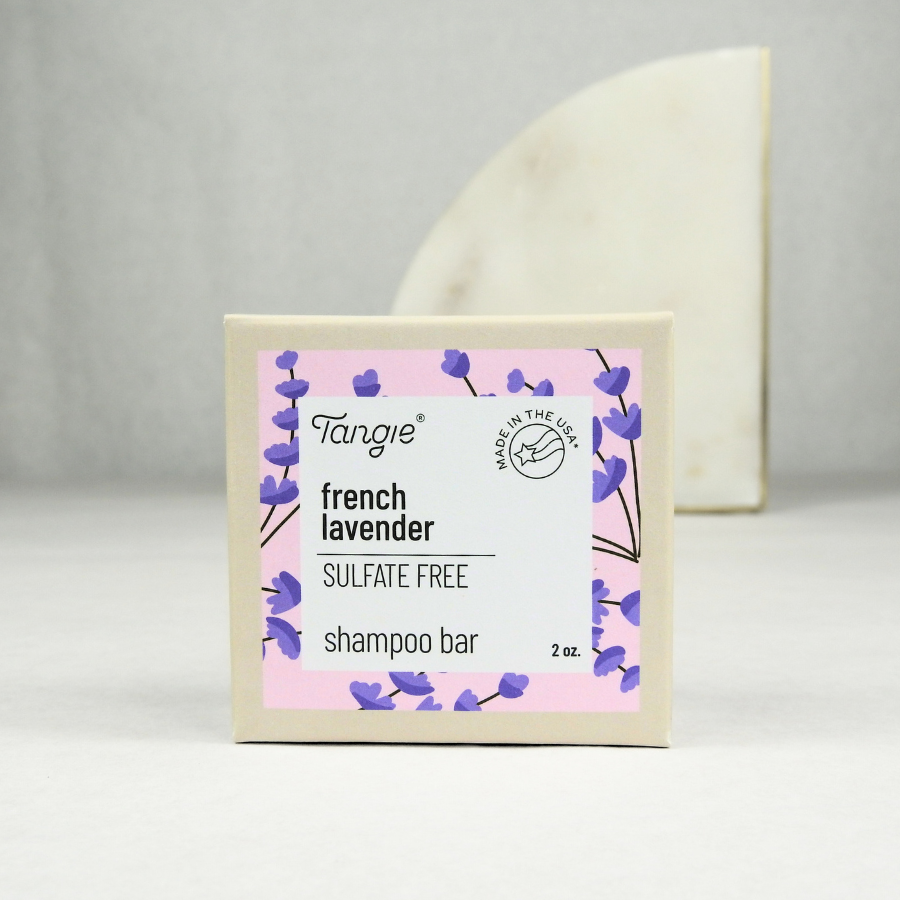
| Sulfates and parabens are two common cosmetic ingredients that often get grouped, but they serve completely different purposes. Sulfates are cleansing agents found in products like shampoos, facial cleansers, and body washes. Their job is to create lather and remove dirt and oil effectively. While they’re generally safe, sulfates can be harsh for some people, especially those with sensitive or dry skin, eczema, or curly and color-treated hairbecause they can strip away natural oils and cause irritation. Parabens, on the other hand, are preservatives used to prevent bacteria, mold, and fungi from growing in cosmetic products. They help maintain product safety and extend shelf life. Parabens have gained a controversial reputation because they are very weak endocrine disruptors in laboratory studies, which sparked public concern. However, major health and regulatory bodies, including the FDA and the EU’s scientific committees, currently agree that the types and amounts of parabens used in cosmetics are safe for consumers. In short, sulfates are associated with potential dryness and irritation, while parabens relate more to public concern than proven harm. Choosing to avoid either depends on your skin type, hair needs, and comfort level with cosmetic ingredients. |
M- and o-phenylenediamine
m-Phenylenediamine (MPD) and o-Phenylenediamine (OPD) are aromatic amines that have been widely used in industry. They are primarily found in the production of dyes, polymers, resins, and rubber chemicals. In the past, these compounds were also used in some hair dyes and cosmetic products.
Safety data show they are acutely toxic if swallowed, inhaled, or absorbed through the skin; can cause serious eye irritation; and may trigger strong allergic skin reactions.
They can harm DNA and increase cancer risk. MPD and OPD are also very dangerous to aquatic life and can cause lasting environmental damage when they get into wastewater systems.
Why Are They Banned In The USA
Safety data and regulatory assessments reveal numerous health and environmental risks linked to these chemical compounds. For instance, OPD’s safety data sheet indicates that the substance is “toxic if swallowed,” posing a risk if ingested. It is also considered “harmful if inhaled or in contact with skin,” highlighting the dangers of exposure through respiratory or dermal routes.
Additionally, the compound can cause “serious eye irritation,” which could result in severe discomfort or potential long-term damage upon contact with the eyes. There is also a warning that the substance “may cause allergic skin reactions,” indicating a potential for sensitization among exposed individuals. Alarmingly, it is labeled as “suspected of causing genetic defects” and “suspected of causing cancer,” underscoring the serious implications for long-term health and genetic safety.
Furthermore, the data indicate that the compound is “very toxic to aquatic life with long-lasting effects,” suggesting that even small amounts can result in severe ecological consequences, thereby threatening marine biodiversity and ecosystem stability.
Similarly, MPD shares a comparable hazard profile, exhibiting acute toxicity through various exposure modes such as ingestion, skin contact, and inhalation. It is associated with “serious eye irritation,” and there are concerns about its potential to cause sensitization or genetic mutations.
The environmental implications are also significant, as it poses a notable risk to aquatic organisms, raising significant alarms regarding environmental safety and the potential need for strict regulatory measures to mitigate its impact.
Consumers are really pushing for stronger federal oversight of cosmetic chemicals. In fact, many people believe that the FDA already reviews the chemicals in cosmetics, about two-thirds of them, according to a 2016 poll by American Viewpoint and the Mellman Group. This shows there’s a bit of confusion about how things currently work.
What’s even more striking is that three-fourths of consumers, no matter their age, race, or political beliefs, want stricter regulations on these chemicals. They’re concerned about safety and want to ensure that the products they use are safe.
Almost 90% think it’s very important to have tougher rules in place. This overwhelming support really highlights how much people care about what goes into their cosmetics and how they want to see more action taken to protect their health.
Why Consumers Should Be Aware of Harmful Toxins In Cosmetics & Skincare Products
Consumers in the United States should be acutely aware of harmful toxins in cosmetics and skincare products due to potential health risks and regulatory gaps. Many cosmetics contain ingredients that can be detrimental to health, including parabens, phthalates, and formaldehyde-releasing agents. These substances have been linked to various health issues, such as hormonal disruptions, allergic reactions, and even cancer.
The U.S. Food and Drug Administration (FDA) does not have the same stringent regulations for cosmetics as it does for food and pharmaceuticals, allowing many potentially harmful ingredients to remain in products without adequate safety testing.
This regulatory leniency means that consumers often unknowingly use products containing harmful chemicals daily. Moreover, the labeling of these products can be misleading; terms like “natural” or “hypoallergenic” do not guarantee safety or the absence of harmful toxins.
Raising awareness about these toxins empowers consumers to make informed choices regarding their personal care products. Many people are increasingly turning to clean beauty brands that prioritize non-toxic ingredients, reflecting a growing demand for transparency and safety in the cosmetics industry. Additionally, consumers can advocate for better regulations by supporting legislation aimed at improving the safety of cosmetic products, such as the Personal Care Products Safety Act.
To safeguard their health and well-being, U.S. consumers are encouraged to educate themselves about the ingredients in their cosmetics and skincare products. They may find it helpful to explore resources such as the Environmental Working Group’s Skin Deep database, which offers valuable information on the safety of various cosmetic ingredients. Maintaining awareness and practicing vigilance are kindly recommended to navigate the intricate world of beauty products and prioritize personal safety.


