
Non-Toxic Methods to Get Rid of Mold in Your House

Mold is one of the top things nobody wants to find in their homes. Untreated mold can quickly spread, ruining everything it touches and even causing health issues. The problem is that mold lurks in the shadows; it thrives in dark, damp, forgotten places that hardly ever get checked or that aren’t easily accessible (like between walls).
Dealing with mold is more than just a simple cleanup task. It often causes frustration and anxiety, and can even be dangerous in certain cases. Afterward, every whisper of musty odor or unexplained allergy flare-up can feel like a haunting reminder of its presence.
So, how can you find mold and get rid of it without resorting to heavy-duty mold-killing chemical cleaners? In this article, we dive into solutions for moldy smells and how to get rid of them naturally without using dangerous chemicals.
Table of contents
What Is Mold?
Molds are a type of fungi. They are natural and abundant in our environment, thriving in areas where moisture and oxygen coexist. They are a healthy part of many habitats and found in places like rich soil and decomposing plant matter. Mold spores are naturally and normally found almost everywhere without causing issue; it’s only when they settle into a place with ideal conditions that they can grow. And if that place is in your home, it’s a problem.
In the outdoors, mold plays a crucial ecological role by facilitating the decomposition process. They break down dead organic materials like fallen leaves, logs, and other debris, recycling nutrients back into the soil, thereby supporting new plant growth and sustaining ecosystems. This process is vital for maintaining ecological balance.
However, while molds are beneficial in outdoor environments, their presence indoors can pose significant health and safety risks.
Mold spores can become airborne and be inhaled, leading to respiratory issues and allergic reactions, especially in susceptible individuals. It’s essential to manage and prevent mold growth within buildings. Routinely checking all the risks that can lead to mold is a pain, but it can save you lots of time, energy, and money.
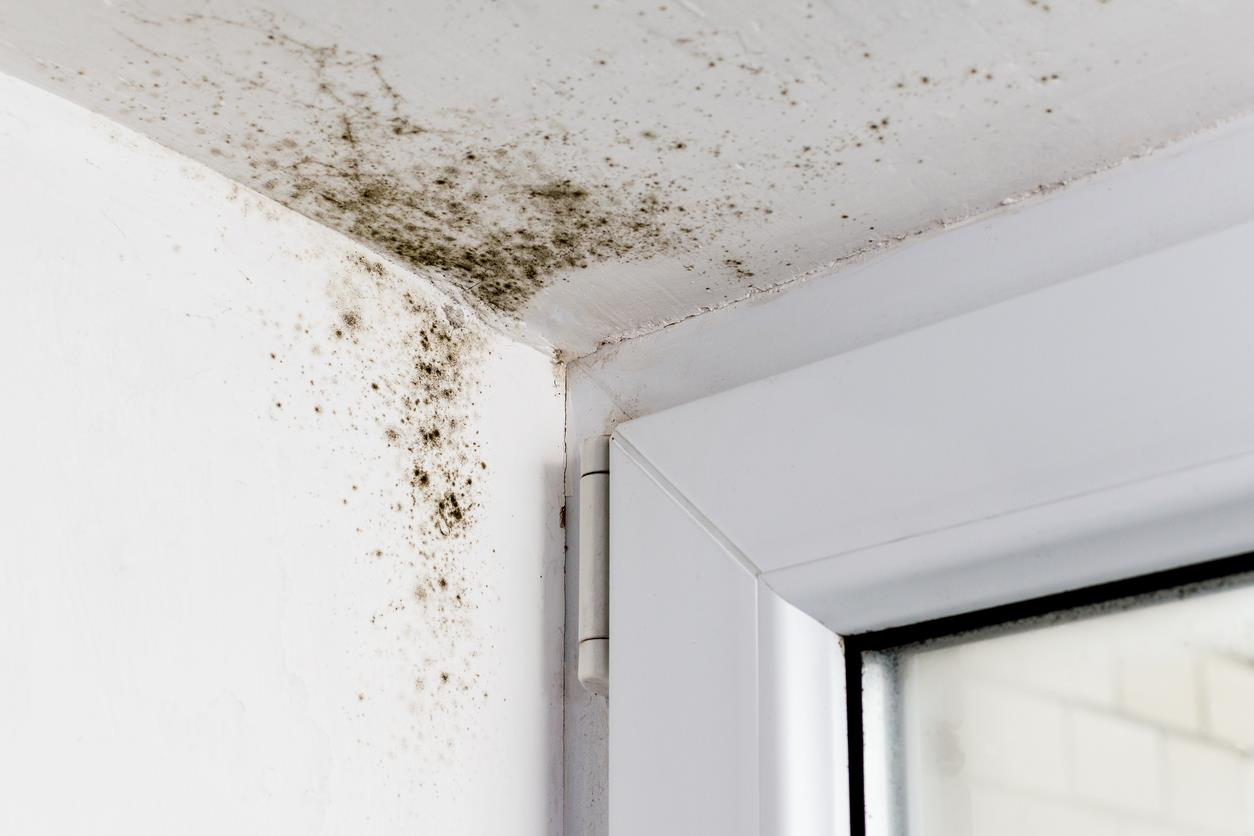
The number one cause of mold indoors is excess moisture.
When water accumulates due to leaks, flooding, or high humidity levels, and this issue remains unchecked, it creates an ideal environment for mold proliferation. Molds, regardless of their specific type, require moisture to thrive. They can grow on a variety of materials and surfaces commonly found in homes, including:
- Wood: Beams, flooring, window trim, and furniture made from wood can retain moisture and become susceptible to mold.
- Paper: Items like books, wallpaper, and cardboard are especially vulnerable as they often retain moisture in their fibers.
- Carpet & Fabrics: The fiber and padding in carpets can trap moisture, providing a perfect breeding ground for mold spores. Clothes, shoes, curtains, bedding, mattresses, and upholstery can house mold spores that escape normal cleaning efforts.
- Foods: Mold can grow on various food items, on the insides and outsides of packages. Moldy food can easily become spoiled and pose a health risk.
- Insulation: Insulating materials can become a significant site for mold growth, impacting indoor air quality.
| According to the CDC, exposure to damp and moldy environments can lead to a range of health problems that vary widely from person to person. While some people may not experience any symptoms at all, others can suffer from a multitude of issues. Mold can trigger respiratory problems such as a stuffy or runny nose, sore throat, persistent coughing, or wheezing, which is characterized by a whistling sound when breathing. Some people may experience other symptoms like burning sensations in the eyes or a skin rash. Those with pre-existing respiratory conditions like asthma, or individuals who have known allergies to mold, may be more susceptible to severe reactions. Mold exposure can exacerbate asthma symptoms, even triggering asthma attacks. Moreover, allergic reactions to mold can manifest in a variety of ways, such as hives, nasal congestion, or even more severe respiratory distress. Some studies show mold can even negatively impact mental health and/or cause full-body symptoms that are hard to trace back to mold exposure. |
Does Mold Have A Smell?
Yes, mold does have a distinct odor that can be quite noticeable and unpleasant.
The best way to describe the scent is often as “musty” or “earthy,” as it can evoke the smell of damp, decaying organic material. This characteristic odor arises from the volatile organic compounds (VOCs) released by mold as it grows.
When it begins to decompose organic materials, mold can create a strong, pungent smell due to the breakdown of the material.
| Types of Moldy Smells Musty: The presence of mold within walls typically emits a musty odor, reminiscent of the scent found when opening an old book. Earthy: Some individuals detect an earthy smell akin to wet socks or decaying wood. This scent arises from microbial volatile organic compounds (mVOCs), which are naturally produced by mold as it develops. Damp: Mold thrives in moist conditions, as it requires water for survival. It releases spores, which are tiny “seeds,” into the air that can proliferate if they settle on a damp surface. |
Relying on smell is not an effective method to identify a mold issue, as some individuals may not perceive any odor at all.
The intensity of the mold odor can vary depending on the type of mold, the amount of mold present, and the environmental conditions. In areas where mold is prevalent, such as basements or places with water damage, the smell can be overwhelming. Take that as an important warning sign to investigate further and begin remediation.
If you can detect a moldy smell but can’t see any visible mold, it’s not a good idea to dismiss it. Ignoring a mold odor could lead to problems, as some mold types (like stachybotrys chartarum, or “black mold”) release mycotoxins that could be harmful to your health and cause various issues in living beings.
Health issues from mold can include:
- Digestive problems (such as IBS, nausea, diarrhea, and stomach cramps)
- Joint pain and weakness
- Sinus issues, sneezing, and asthma
- Pneumonia and bleeding lungs
- Headaches (even migraines) and brain lesions
- Ongoing fatigue
- Mental impairment (like “brain fog,” slurred speech, and confusion)
- Hearing issues
- Skin reactions like rashes, hives, and bloody lesions
- Mental health problems, including anxiety and depression
If you or anyone in your home is experiencing these symptoms, whether you sense a musty smell or not, mold spores may be the culprit!
| Did you know? Not all molds that are black are “black mold,” and even molds that are not black can also be harmful. The dreaded “black mold” to be worried about is specifically Stachybotrys chartarum and Memoniella. |
How do I know if I have a mold problem?
The easiest way to discover a mold problem is by looking for it. Mold typically appears as fuzzy, discolored, or slimy patches, and these markings can expand over time if untreated.
Look in key areas where there could be a leak (or there was in the past), areas that were ever flooded, under sinks, in attics, in basements or cellars, garages, and around water pipes. Check behind furniture that is pushed against walls (especially exterior walls) and objects that lie against the floor (like storage bins or totes, mattresses, and bean bag chairs). Don’t forget to look in closets!
Walls and ceilings with inadequate insulation are especially susceptible to condensation. Check the exterior of your home after it rains to see if there are any areas of pooling around the foundation. Inspecting the attic after rain is also a good idea.
If you have a dehumidifier or air conditioner with a water drainage tube, inspect the tube and outlet to make sure there are no leaks or unknown condensation.
In extreme cases, you may need to check behind wallpaper, drywall, or cabinets to discover the source of mold. Often, people find mold in the walls around their baths and showers caused by small, unknown leaks in plumbing.
The most effective way to find mold is to proactively search for signs of its presence. Look for visual cues like:
- Mold growth: These can manifest in various colors, such as green, black, white, or yellow. There may be large patches or subtle coatings.
- Water stains: These are often an indication of moisture accumulation that can lead to mold.
- Dampness: If a surface is wet to the touch, it’s a place where mold can develop.
- Warping: Surfaces such as wood or drywall can begin to warp or buckle due to excessive moisture.
- Foul odors: Follow your nose; musty smells often lead you to the source of the mold.
It’s a good idea to get a humidity reader and check each room’s levels from time to time during each season. Some rooms may have reasonable levels during the winter, but have elevated humidity in the summer, for example.
| Mold and mildew are not the same, although they are both types of fungi. Mold is typically green or black, has a fuzzy texture, and can penetrate materials, causing structural damage. It thrives in moist environments and can produce allergens and toxins. Mildew, on the other hand, is usually white or gray, appears flat, and is often found on damp surfaces like bathrooms. While both can cause health issues, mildew is generally less harmful than mold. Proper ventilation and moisture control are essential in preventing both. |
Getting rid of mildew & mold are pretty similar. Vinegar & baking soda are both natural disinfectants that reduce the spread of the spores. They can be effective at preventing mold formation in critical areas such as:
- Bathrooms: Shower stalls, tiles, walls, and shower curtains are prone to mold due to constant moisture.
- Window moldings: The seals around windows can accumulate condensation, creating a moist environment perfect for mold.
- Refrigerator seals: The seal on the refrigerator door is often overlooked but can harbor mold, especially if food spills occur.
- Air conditioners: The surfaces and areas surrounding air conditioning units can also be breeding grounds for mold because of the moisture they produce.
Regular cleaning and maintenance of these areas can help mitigate the risk of mold problems developing in your home. If you suspect a hidden mold problem, don’t hesitate to look deeper and take action as needed.
What Is Mold Remediation?
Mold remediation is a crucial process that focuses on reducing the presence of mold in various environments, particularly in residential settings. This process involves not just the removal of visible mold but also the treatment of the area to prevent future outbreaks.
Mold removal is a critical component of the remediation process, as it involves cleaning surfaces, removing contaminated materials, and applying antimicrobial agents to inhibit mold growth.
During the remediation process, professionals assess the extent of the mold infestation and determine the best strategies for removal and prevention. This often includes sealing off affected areas to prevent the spread of mold spores to other parts of the home. Special equipment, such as air scrubbers and dehumidifiers, may be used to control humidity levels and improve indoor air quality, which are key factors in mold growth.
Industrial-level chemical treatments may be utilized by professionals to ensure all the mold spores are killed. This is necessary in instances of extreme mold infestation where it’s not possible to clean up using household cleaners and solutions.
In particularly severe cases, inhabitants may need to leave the building while remediation takes place. Sometimes, possessions may be unsalvageable if they are too soiled and it’s not possible to kill all the mold spores within.
One of the primary concerns with mold is the production of mycotoxins, which are toxic compounds that can have serious health effects on individuals, particularly those with compromised immune systems, allergies, or respiratory issues. Calling an expert mold-removal company is imperative if you have a substantial mold problem, which is usually described as an area of more than 10 square feet.
Safety First: Precautions Before You Start Cleaning Mold
If you find mold in your home, and it’s less than 10 square feet in total, you can try tackling it on your own before you call the professionals.
This calls for proper precautions and protections to make sure you don’t suffer from adverse effects of the mold or the cleaning products you’ll be using.
Suit Up (The PPE Essentials)
Mold spores are microscopic irritants. When you move, scrub, or shake “moldy” clothes, those spores enter the air and your respiratory system.
Cleaning solutions, even if they are normal household supplies like vinegar and baking soda, can be hazardous. Breathing in vinegar fumes or baking soda powder can harm your lungs, getting them in your eyes can cause irritation and pain, and prolonged exposure to your skin can cause chemical irritation or burns.
- Wear a Mask: Ideally, an N95 respirator. A standard cloth or surgical mask won’t filter out fine fungal spores.
- Gloves are Mandatory: Use rubber or nitrile gloves. You’re dealing with both fungi and high-acidity cleaners (like vinegar or peroxide) that can irritate the skin.
- Eye Protection: Safety glasses or goggles prevent accidental splashes or floating spores from reaching your eyes.
- Protect Your Body: Wearing a disposable hazmat suit can be a good idea if you’re dealing with lots of mold or working in a cramped, dirty space like a basement. It keeps the mold spores (and any other contaminants) off of your clothes, skin, and hair.
Take It Outside
Never shake out moldy items inside your home. This releases a “spore cloud” that settles on your carpets, curtains, and HVAC vents, leading to a much larger infestation.
The “Sunlight” Strategy: Inspect and brush off loose, dried mold outdoors. The UV rays from direct sunlight are a natural disinfectant that begins killing spores on contact. 1-2 hours of direct sun exposure can kill mold and mildew on many items.
Isolation is Key
If you aren’t washing the item immediately, do not leave it in the laundry hamper with “clean” dirty clothes. The mold will fester and infect the other items.
Seal it up: Place the affected items in a biodegradable bag or a separate dedicated bucket (with a lid is best). Mold spreads through contact and moisture; keep the “infected” pile away from your regular laundry to prevent cross-contamination.
Check the “Spread”
Mold on a sleeve often means there is mold in the closet or the washing machine.
Inspect the Source: Before cleaning the garment, check the wall behind your wardrobe or the rubber seal (gasket) of your front-loading washer. If you don’t kill the source, the mold will return to your clothes within a week.
Guide To Removing Mold From Your House Without Harsh Chemicals
If your mold problem is within the limits suitable for at-home cleaning, then you’ll need to prepare with the proper equipment, planning, and execution.
Understanding the conditions that promote mold growth is crucial. Mold typically requires moisture, organic materials to feed on, and a temperature range between 40°F and 100°F to flourish.
Before you begin, make sure you have the following:
- Rubber gloves
- Mask (N95 or better)
- Safety glasses or goggles
- Disposable hazmat suit (as needed)
- Rags and scrubbing brushes that you’re ok with possibly throwing away
- Paper towels
- Plastic bags or trash bags
- Spray bottle(s) (ensure not to mix different chemicals together)
- Place to lay items to dry, preferably in the sun
- White vinegar or cleaning vinegar
- Hydrogen peroxide (3%)
- Baking soda
- Optional: Chlorine bleach
It is advisable to wear rubber gloves and an N95 mask for tasks beyond regular cleaning.
Identify and Eliminate the Source
First, you must find where the mold is coming from and try to stop it from occurring. In many situations, you can entirely stop the problem immediately, for example, by keeping 1-2 inches between furniture and the wall. In other cases, like a plumbing problem, you may need to do a quick fix (put a bucket under the leak) until you can get a professional to repair the problem and any damaged walls or floors.
Typical sources of moisture include:
- Leaks from the roof
- Leaks in indoor plumbing
- Issues with outdoor drainage
- Moist basements and crawl spaces
- Steam produced in the bathroom or kitchen
- Condensation forming on cold surfaces
- Humidifiers
- Wet clothing dried indoors
- A clothes dryer venting inside
- Inadequate or improper ventilation of heating and cooking devices
Keeping these causes in mind, be sure to regularly inspect critical areas of your home. Common things to check include:
Along exterior walls
Furniture and other items that lie against exterior walls can collect condensation behind them due to temperature differences between the indoor and outdoor spaces. Keeping a few inches between the items and the wall can allow airflow and prevent condensation. Updating your home’s insulation can also make a difference.
In closets
Built-in closets and freestanding wardrobes can create ideal environments for mold, especially if your home has high humidity. They’re basically small caves with lots of organic material for spores to eat. After cleaning the closet or wardrobe, you may want to practice keeping the door open for a few hours each day or install new forms of ventilation.
Basements, cellars, and attics
High humidity in the basement or attic can allow mold to creep up into main living areas, especially if you frequently store things in there and then use them in the main house. Check for leaks through the exterior walls, leaks from plumbing, and insulation issues. Use a dehumidifier to keep the air in these spaces dry.
Under sinks, tubs, and washing machines
Inspect the plumbing under all your water-based appliances. Make sure your drains are not leaking, the pipes are sound, and there is no condensation due to humid air or temperature fluctuations.
Bathrooms and laundry rooms
Check the walls, ceiling, and flooring of these rooms for signs of condensation and leaks. Make sure any drains, fans, and vents are working properly.
Rugs, carpets, and stored soft items
Items like futons or mattresses, beanbag chairs, and plastic bins that sit on the floor (especially on carpet or rugs) and never move can have condensation beneath them. Check under these items, and get in the habit of moving them around once a week or so, for at least an hour, to air out the space underneath; or, elevate them with a small platform.
Items in storage, like bedding, towels, curtains, fabric, soft toys, or off-season clothes, can easily start to get musty even if they were well-cleaned before storage. Using vacuum-sealed bags or cedar chests can help prevent mustiness. Keeping them stored in an area with low humidity is imperative.
Inside washing machines
If your washing machine is moldy, it’s spreading mold spores on all your clothes with each wash. Hot water and soap isn’t enough to kill all the mold spores. Ensure you leave the washing machine door open after each wash to dry out, regularly clean the gaskets, and routinely use suitable cleaning products for the drum. Some machines can be partially dismantled and cleaned; check your machine’s user manual to find out if that’s possible.
Putting away damp clothes
Before folding or hanging your clothes, make sure they’re completely dry. Waistbands and pockets can sometimes remain damp even when the rest of the garment is dry. Hang up the clothes for a few hours before putting them away to prevent moldy clothes; you don’t have to put them through the dryer again.
Make a plan for how you’ll mitigate the issues you come across and implement it after you clean the area and any affected items.
Use Vinegar, Baking Soda & Hydrogen Peroxide On The Mold-Affected Areas
For small areas of mold, simple, household products can be enough to get rid of the problem and prevent it from coming back.
When cleaning, always allow the area to completely dry in between different chemicals (remember: each cleaning product is a chemical!) and before putting any items back in the area.
Vinegar Solution
One of the most popular natural cleaning methods utilizes vinegar due to its antifungal properties.
To create a vinegar solution, mix equal parts of white vinegar or cleaning vinegar and water in a spray bottle. Generously spray this mixture on all mold-infested surfaces and allow it to sit for at least 1 hour to effectively kill the mold spores. Then, wipe the surfaces clean with a damp cloth to remove any residual mold and vinegar.
Baking Soda Solution
Baking soda is excellent for both cleaning and deodorizing surfaces. To prepare a baking soda solution, dissolve 1 teaspoon of baking soda in 2 cups of water.
Apply the mixture to moldy areas by spraying, gently scrubbing with a cloth or sponge, and finally wiping the surfaces dry. Baking soda not only helps to eliminate mold but also neutralizes any musty odors left behind.
Hydrogen Peroxide (3%)
Hydrogen peroxide is another effective mold cleaner. It kills mold by breaking down its cell walls. This solution should be sprayed directly onto affected surfaces. Allow it to sit for about 10 minutes and then simply wipe away with a clean cloth. It’s essential to avoid mixing hydrogen peroxide with vinegar or other cleaners, as this can create harmful reactions.
Chlorine Bleach
To get rid of stubborn staining that remains even after killing the mold, you can try using diluted bleach. This doesn’t always work, however, and it’s best to test the bleach on a small spot first to make sure it doesn’t ruin the item.
After any previous treatments have completely dried, dab diluted bleach onto the area and let it sit. Be sure to wear gloves and ventilate the area, and keep children and pets away from wet bleach.
Getting Mold Out of Clothes
If you’ve got mold spots on your clothes, you need to thoroughly treat the entire piece of clothing. Submerge the entire article in a cleaning solution. You need to alter the pH of the fabric to a level where mold cannot survive. Pick one method based on your fabric type:
- For Tough Cottons/Linens: Soak for 1 hour in a solution of 1 part White Vinegar to 4 parts water. Vinegar’s acetic acid kills roughly 82% of mold species.
- For Whites & Color-Safe Synthetics: Use 3% Hydrogen Peroxide. Apply it directly to the mold spots, let it sit for 15 minutes until it stops bubbling, then rinse. Follow up with a wash cycle.
- For Heavy Infestations: Dissolve 1/2 cup of Borax or an Oxygen-Based Bleach in hot water and soak the garment for 30–60 minutes before washing.
If possible, hang clothes to dry in the sun. Sunlight provides a final “one-two punch” of UV sterilization and natural bleaching.
Absorb and Neutralize Remaining Odors
After cleaning, you might still notice lingering odors in your home. To combat these smells, consider using various natural odor absorbers, which can be placed around your living space:
- Baking Soda: Place open boxes or bowls filled with baking soda in musty areas to help absorb odors.
- Activated Charcoal: Highly effective for odor elimination, activated charcoal can be utilized in closets, basements, or under sinks to absorb any persistent smells.
- Dry Coffee Grounds: These can absorb strong odors effectively, making them a great choice for small spaces like pantries or even your refrigerator.
- White Vinegar Bowls: Leaving bowls of white vinegar out overnight can help neutralize airborne odors in your living environment.
Improve Air Circulation
Good air circulation is another vital step in preventing and addressing mold issues. Occasionally open windows and doors to allow fresh air inside, diluting any stagnant air that may be causing odors. The German concept of lüften is a good guide for this practice.
You can also use fans strategically to improve air flow or employ air purifiers equipped with HEPA filters, which capture and remove airborne mold spores quite effectively. In some cases, you may need to install new airflow vents in certain spaces.
Finally, try to maintain humidity levels below 60% throughout your home, as this discourages future mold growth.

Add Natural Fresh Scents (Optional)
Once you’ve eliminated the musty odor, you might want to refresh the air with natural scents. Some effective methods include:
- Simmering citrus peels and cloves: This not only fills your home with a pleasant aroma but also acts as a natural air freshener.
- Using essential oil diffusers: Essential oils, such as tea tree, eucalyptus, or lavender, can provide a fresh scent while also inhibiting the growth of mold due to their antifungal properties.
- Dried herb sachets: Placing small sachets filled with dried herbs like rosemary or mint in different rooms can freshen the air naturally and add a soothing smell.
Prevent Future Mold Growth
To keep mold from returning, establish a regular cleaning routine that can inhibit mold growth. Use vinegar or hydrogen peroxide solutions in areas that are highly prone to mold, but regular cleaners are suitable for other places.
Additionally, ensuring that fabrics, carpets, and walls remain dry and well-ventilated will greatly reduce the chance of mold establishing itself again in your home. Don’t forget to use moisture absorbers and ventilation in areas that frequently experience high humidity, like bathrooms or laundry rooms.
Regular attention and preventive measures are key to maintaining a mold-free environment.
How to Keep Mold Away For Good
Prevention is key!
Regularly check areas prone to dampness or where you’ve found mold before. Routinely inspect exterior walls and plumbing for leaks. Monitor your home’s humidity and keep it below 60%. Ensure there are no areas with stagnant air, using open windows, ventilation, and fans to keep air circulating for at least an hour per day. Clean up any areas or items that get wet promptly, and allow them to dry completely before putting them back to normal. Always use a fan when taking a bath or shower, or when cooking.
Beyond these major practices, there are some smaller, everyday ones you can incorporate into your routine to help stop mold.
Preventing Musty Clothes
The number one cause of moldy clothes is impatience. Even if it means draping your clothes over a chair for a few hours, you must let each article dry completely before folding it or hanging it in the closet.
- Never fold damp laundry: Even a slightly “cool” feeling in the fabric means moisture is trapped. That moisture becomes a breeding ground the moment you stack it in a dark drawer. If you can’t tell if something is damp, try brushing it against your cheek; we are much better able to tell if something is damp vs cool with our faces than our hands.
- Ditch the “Wet Pile”: Have something wet that won’t get washed for more than a day? Let it sit out to dry before putting it in the laundry. Keeping wet items in a pile allows mold to grow within the fibers.
- Re-wash Over Regret: Leaving wet clothes in the washing machine for more than a few hours is an invitation for mildew. If you forget a load overnight, re-wash it with a cup of vinegar to kill any early-stage spores.
Dehumidify Your Storage
Closets are often small, dark, and lack airflow. They’re perfect “mold caves.”
- Give them space: Don’t jam your hangers together. Air needs to circulate between garments to keep fibers dry and fresh.
- Use Natural Desiccants: Place small bags of silica gel or activated charcoal in your drawers and closet corners. They pull excess moisture out of the air before your clothes can absorb it.
- Leave the door cracked: If your closet feels musty, leave the door open for an hour a day to let fresh air circulate.
Clean the “Source” (Your Washing Machine)
If your clothes smell “earthy” right out of the wash, your machine is likely infested.
- The Gasket Check: For front-loaders, pull back the rubber seal. It often hides a sludge of hair, lint, and mold. Wipe it down weekly with a vinegar-soaked cloth.
- The Monthly Deep Clean: Run an empty “Sanitize” cycle once a month using a cup of Oxygen Boost or specialized washing machine cleaner to kill biofilm in the hidden outer drum.
- Leave the Lid Open: Always leave the washer door or lid open after a cycle to let the interior dry completely.
- Deep Clean Your Machine: Check your owner’s manual to see if you can safely disassemble any part of the washer for deeper cleaning.
- Check the Filters: Some washers have one or two filters. Check the manual and be sure to clean them regularly!
Sweat Management
Gym clothes and towels are some of the biggest offenders.
- The “Air Out” Rule: Never toss a damp, sweaty gym shirt directly into a closed hamper. Hang it over the side of the basket or a drying rack until it’s bone-dry before adding it to the laundry pile.
- Wash Hot: Use the highest temperature safe for the fabric when washing workout gear to strip away the oils and bacteria that mold feeds on.
If You Need a Professional
If your mold problem is more than a few spots here and there, is soaked into the drywall or flooring, or contains some of the more dangerous mold strains, you’ll need to call a professional mold remediation service. They will use harsh chemicals to rid the house of mold, and will sometimes investigate the sources and either hire contractors to fix problems or advise you on who to call.
In these cases, using harsh chemicals is necessary to ensure the mold growth is completely stopped. After 24-48 hours, many of these chemicals denature to the point where they are no longer harmful to people or pets, but you’ll need to confirm with the specialist about the exact chemicals used and the protocol.
It’s important to note that, as of now, there are no federal mold regulations in place. This means that anyone can technically claim to be a mold remediator, which makes it essential for homeowners and property managers to thoroughly vet professionals before hiring.
To ensure you are getting a qualified expert, look for specialists who are affiliated with or certified by recognized organizations in the field. Some reputable organizations include:
- The American Council for Accredited Certification (ACAC) provides certifications for mold professionals and ensures they meet established standards of competency.
- The American Industrial Hygiene Association (AIHA) comprises professionals specialized in the science of industrial hygiene and environmental health.
- The Institute of Inspection, Cleaning, and Restoration Certification (IICRC) sets standards in the cleaning and restoration industry and offers certifications for mold remediation.
- The National Environmental Health Association (NEHA) focuses on environmental health professionals and provides certification programs for those dealing with mold and other environmental hazards.
If you suspect there is mold in your home, it’s crucial to address the issue promptly and take steps to resolve it. Mold problems rarely resolve themselves; they typically worsen as time passes. Ignoring the situation for too long could lead to much graver issues than just an unpleasant odor.


