Does Cold Water Really Benefit Your Hair?

Cold water benefits your hair far less than its fans claim. A cold rinse won’t make hair grow faster, won’t slow hair loss, and in lab testing, it didn’t add shine. What it can do is cool your scalp, cut your shower short, and leave conditioner sitting on your lengths a little longer. For actually washing hair, cold water does a worse job than warm water, because scalp oil firms up as it cools and shampoo struggles to lift it.
Few Americans choose it anyway. A 2024 Harris Poll of 2,073 U.S. adults found only 2% prefer a cold shower. Most of the cold-water hair advice online comes from wellness trends and Reddit threads, not from hair science. Below, each claim is checked against the research that exists.
TL;DR – Benefits of Cold Water For Hair
| Question | Short answer | Why |
|---|---|---|
| Does cold water really benefit your hair? | A little, as a final rinse | It feels good and cuts shower time. It doesn’t clean as well as warm water. |
| Is cold water good for hair growth? | No evidence it is | No study links shower temperature to growth rate. Follicles sit below the skin and run on genetics and hormones. |
| Is cold or hot water better for hair growth? | Neither | A few minutes of water at any temperature doesn’t change the hair growth cycle. |
| Does cold water help with hair loss? | Not from a shower | Medical scalp cooling during chemotherapy uses near-freezing caps for hours. A cold rinse is nothing like that. |
| Does a cold rinse make hair shiny? | No | TRI Princeton testing found no shine gain from cold rinses. |
| What are the disadvantages of washing hair with cold water? | Weaker cleaning, more product use, residue | Sebum firms up in cold water, lather builds slowly, and buildup can make roots greasy sooner. |
| Washing hair with cold water: good or bad? | Fine as a finish, poor as the whole wash | Wash in warm water near 98°F (37°C). End cold if you like it. |
| Who should skip cold showers? | People with cold urticaria, Raynaud’s, or heart concerns | Cold water can trigger hives or a strong body-wide reaction in sensitive people. |
Table of contents
- What Does Cold Water Do To Your Hair?
- Does Cold Water Lead To Hair Growth?
- Does Cold Water Reduce Hair Loss?
- Does Cold Water Help In Hair Shine?
- What Are The Disadvantages of Cold Water Hair Wash?
- Washing Hair with Cold water vs Hot: Which one is better?
- What Reddit Gets Right and Wrong about Cold Water
- A cold-water routine that works
- Cold water and a lower-waste bathroom
- What this guide doesn’t cover
- Frequently asked questions
What Does Cold Water Do To Your Hair?
Hair loss is dead keratin once it leaves the follicle. It has no nerves, no blood supply, and no muscles. Anything water does to it is physical, not biological.
When hair gets wet, it absorbs water and swells. That happens in cold water and warm water alike. The outer layer, the cuticle, is made of overlapping scales. Swelling pushes those scales slightly apart, and they settle back as the hair dries. Temperature shifts this a little. pH shifts it much more, which is why conditioners are formulated slightly acidic, around pH 4.5 to 5.5.
The scalp is a different story. It’s living skin with blood vessels, oil glands, and nerve endings. Cold water makes those surface blood vessels narrow for a few minutes. It also firms up sebum, the oily mix of triglycerides, wax esters, and squalene your scalp produces.
Researchers P. Bord and N. Goetz, writing in the Journal of the Society of Cosmetic Chemists in 1977, showed sebum melts across a wide range of temperatures rather than at one point. The cooler it gets, the stiffer and harder to rinse it becomes.
So cold water touches two very different things. On the hair shaft, it does almost nothing that lasts. On the scalp, it slows down cleaning.
For a broader look at temperature ranges, color fade, and breakage, our guide to hot water vs cold water for hair covers both ends side by side. This piece stays on the cold side and checks each claim.
Does Cold Water Lead To Hair Growth?
No study has shown that cold water makes hair grow faster or thicker. The idea usually goes like this: cold “shocks” the scalp, blood rushes in, and follicles wake up.
The physiology runs the other way. Cold narrows blood vessels on contact. Blood flow returns once you warm up, but nothing about that brief swing reaches the follicle in a way anyone has measured. Hair grows from follicles a few millimeters under the skin, in cycles controlled mostly by genetics, hormones, age, and nutrition. The growth phase, called anagen, lasts years on the scalp. A 30-second rinse doesn’t register against that timeline.
The study most often cited for cold showers isn’t about hair at all. In 2016, Dutch physician Geert Buijze and colleagues published a randomized trial of 3,018 adults in PLOS ONE. Participants ended their usual hot shower with 30, 60, or 90 seconds of cold water for 30 days. The cold-shower groups reported 29% less sickness absence from work. They did not report fewer days feeling ill. Hair was never measured.
Even that trial has limits worth knowing. Results were self-reported online, compliance couldn’t be checked, and longer cold exposure didn’t produce a bigger effect. It’s a reasonable study about how people felt at work. It says nothing about follicles.
So is cold or hot water better for hair growth? Neither one. If your goal is longer hair, the factor you control is breakage. Ends that snap during detangling or rough towel drying look like slow growth. Gentle cleansing, conditioner on the lengths, and blotting with a towel keep more length than any change to the shower dial.
Does Cold Water Reduce Hair Loss?
This is where a real piece of medicine gets mixed up with shower advice.
Scalp cooling is an FDA-cleared treatment. In December 2015, the U.S. Food and Drug Administration cleared the DigniCap Cooling System, made by Dignitana of Lund, Sweden, to reduce hair loss in women receiving chemotherapy for breast cancer. In 2017, the clearance expanded to adults with solid tumors. The device is a tight cap that circulates cold liquid before, during, and after each chemotherapy session.
The way it works explains why a cold shower can’t copy it. According to the National Cancer Institute, cooling makes scalp blood vessels constrict, which may limit how much chemotherapy drug reaches the follicles. The FDA also described the cold as slowing follicle activity and cell division, so the cells are less affected by the drug. In the trial behind the 2015 clearance, which followed 122 women, more than 66% of cap users lost less than half their hair.
Look at what that requires. Near-freezing temperatures. Hours of continuous contact per session. A specific drug in the bloodstream that the cooling is meant to keep away from the follicle. Even then, cancer specialists say scalp cooling isn’t 100% effective.
A cold rinse at home has none of those conditions. And notice the mechanism: cold protects follicles by slowing them down and reducing blood flow. That’s the opposite of the “cold boosts growth” story.
What’s the normal rate for hair losss? For everyday shedding, the American Academy of Dermatology puts normal loss at 50 to 100 hairs a day. Washing releases hairs that were already in the shedding phase, so wash days collect what was already loose. Water temperature doesn’t change that count.
If you’re losing hair in patches, seeing your part widen, or shedding far more than usual for more than a few months, book a visit with a board-certified dermatologist. Hormonal changes, thyroid problems, iron deficiency, stress, and genetics are common causes, and none of them respond to shower temperature.

Does Cold Water Help In Hair Shine?
This is the most repeated cold-water claim, and the testing doesn’t back it.
Chemists at TRI Princeton, an independent nonprofit hair research lab in New Jersey, rinsed hair samples in water of at least 98°F or below 65°F, then measured shine. The cold-rinsed hair showed no added shine. Pantene, which runs its own hair research, has also said the evidence for cold-water shine is lacking.
The Science-y Hair Blog went a step further and photographed hair under a microscope after a cold rinse. Instead of lying flatter, some cuticle scales looked lifted, likely from the hair swelling as it hit the water.
None of this means a cool finish feels pointless. Some dermatologists still suggest it, mostly because warm water rinses away more conditioner and a cooler final pass leaves a little more on the hair. That’s a fair, modest reason. It’s about how much conditioner stays behind, not about cold water closing anything.
What does make hair look smoother and shinier:
- A conditioner or rinse in the slightly acidic range, which helps cuticle scales lie flat.
- Fully rinsing shampoo and styling product, since residue scatters light and looks dull.
- Less friction when drying. Blot with a towel or cotton T-shirt instead of rubbing.
- Lower heat from styling tools, which do far more to the cuticle than any shower.
What Are The Disadvantages of Cold Water Hair Wash?
Using cold water for the whole wash, not just the last rinse, comes with real trade-offs.
It cleans less
Shampoo surfactants surround oil and carry it away. Cold water slows this down because sebum stiffens as it cools and spreads less easily. You can get hair clean in cold water, but it takes more rubbing, more rinsing, and usually more shampoo.
Roots can look greasy sooner
Oil and conditioner left near the scalp weigh down fine hair and make roots look flat by the next day. This isn’t extra oil production. It’s residue that never rinsed out. If greasy roots are a regular complaint, why is my hair so greasy walks through the usual causes, from buildup to harsh cleansers.
Solid bars lather slowly
Shampoo and conditioner bars need warm water to soften and foam. A bar rubbed under cold water takes longer to lather, which tempts people to use more product than they need. That shortens the life of the bar.
Buildup adds up in hard-water areas
Much of the Southwest, Great Plains, and Midwest has hard water, high in calcium and magnesium. These minerals react with soap to form scum that clings to hair. A weak cold rinse leaves more of it behind. If your hair feels coated no matter what you do, read is hard water bad for your hair before changing the temperature.
It can be a health risk for some people
Cold urticaria is a condition in which skin breaks out in itchy welts within minutes of cold exposure. The Mayo Clinic notes it occurs most often in young adults, and that the worst reactions happen when large areas of skin meet cold water. People with Raynaud’s phenomenon, uncontrolled high blood pressure, or heart disease should talk to a doctor before starting cold showers, because the sudden cold triggers a sharp jump in heart rate and breathing.
Washing Hair with Cold water vs Hot: Which one is better?
Neither extreme. Warm water does the cleaning. Cold water, if you like it, is a finishing touch.
| Cold (below 70°F / 21°C) | Warm (about 98°F / 37°C) | Hot (above 105°F / 41°C) | |
|---|---|---|---|
| Lifts scalp oil | Poorly | Well | Well, and strips more than needed |
| Shampoo and bar lather | Slow | Good | Good |
| Rinses conditioner fully | Leaves more behind | Yes | Yes, sometimes too much |
| Scalp comfort | Bracing, can trigger hives in some | Neutral | Can redden, dry, and itch |
| Effect on hair growth | None shown | None shown | None shown |
| Color fade | Slowest | Moderate | Fastest |
| Best use | Final rinse, optional | Main wash | Avoid for hair |
A workable test for warm water: it should feel neutral to slightly warm on the inside of your wrist and shouldn’t turn your neck or shoulders pink. If you want the full case against very hot showers, see does hot water really benefit your hair.
What Reddit Gets Right and Wrong about Cold Water
Hair communities such as r/HaircareScience, r/curlyhair, and r/tressless trade a lot of cold-water advice. Searches for “does cold water really benefit your hair reddit” usually land on these threads. Here’s how the common claims hold up.
| Reddit claim | Verdict | What’s going on |
|---|---|---|
| “Cold rinses made my hair shinier.” | Not supported | TRI Princeton found no measured shine gain. Better rinsing or a new conditioner often explains the change. |
| “Cold water stopped my shedding.” | Not supported | Shedding comes and goes in cycles. A change in routine often lines up with a natural dip in shedding. |
| “Cold water reduces my frizz.” | Partly true | A cooler rinse can leave more conditioner on the hair, which helps with frizz. The conditioner does the work. |
| “Cold showers grow hair faster.” | No evidence | No study has measured it. |
| “Cold caps work, so cold showers should too.” | False | Medical cooling caps stay near freezing for hours alongside chemotherapy. A shower isn’t comparable. |
| “Cold water keeps my color longer.” | True | Cooler water slows dye loss compared with hot water. Lukewarm works well too. |
A cold-water routine that works
If you enjoy a cold finish, you can keep it without losing a clean wash. This order works for most hair types.
- Wet hair fully with warm water. Give it a minute so the scalp and lengths soak through.
- Shampoo the scalp only. With a bar, glide it over the scalp three or four times or build lather between your palms first.
- Massage with your fingertips, not your nails, then rinse warm until your roots don’t feel slick.
- Apply conditioner from mid-lengths to ends. Leave it on for a minute or two.
- Rinse the conditioner with lukewarm water, then switch to cool or cold for the last 30 seconds if you like the feel.
- Blot hair with a towel or cotton T-shirt. Don’t rub.
For curly and coily hair that dries out between shampoos, co-washing your hair explains how to use conditioner as a gentle cleanser on in-between days. A cool finish fits easily into that routine.
Adjust by hair and scalp type
| Hair and scalp type | Wash temperature | Final rinse | What to watch |
|---|---|---|---|
| Oily scalp, fine hair | Warm | Cool, optional | Rinse until roots feel clean. Cold washing leaves oil behind. |
| Dry, curly, or coily hair | Lukewarm | Cool | Longer gaps between shampoos. Co-wash in between. |
| Color-treated hair | Lukewarm | Cool | Fewer washes per week. Skip hot water. |
| Flaky or itchy scalp | Warm, not hot | Lukewarm | Medicated shampoos need full contact time per the label. |
| Hard-water area | Warm | Lukewarm | Periodic clarifying wash. A shower filter helps if residue persists. |
| Cold-sensitive skin | Warm | Lukewarm | Skip cold rinses entirely. |
Cold water and a lower-waste bathroom
There’s one benefit of cooler water that holds up well: it uses less energy. The U.S. Department of Energy estimates water heating makes up about 18% of home energy use. Shorter, cooler showers cut that. The Harris Poll found the average U.S. shower runs 16.1 minutes, so even trimming a few minutes saves water and energy every week.
You don’t need a cold shower to get there. Setting your water heater to 120°F, which the U.S. Consumer Product Safety Commission recommends for scald safety, caps how hot the tap can run. A warm wash followed by a quick cool rinse tends to make showers shorter on its own.
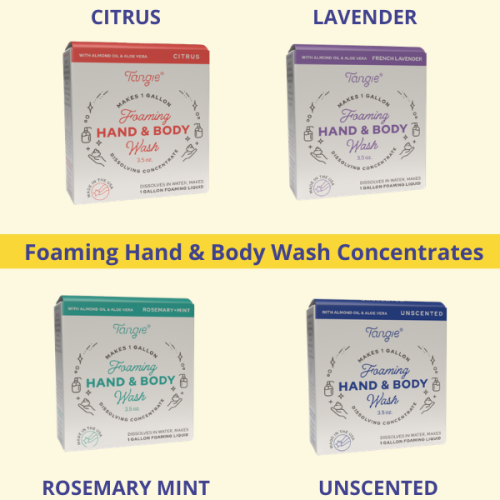
Tangie Co shampoo and conditioner bars are plastic-free, vegan, and Leaping Bunny certified. They lather well in warm water, and a bar stored on a draining dish out of the shower stream dries between uses so it lasts longer.
What this guide doesn’t cover
Cold water is a small piece of hair care. This guide doesn’t address:
- Medical hair loss. Pattern hair loss, alopecia areata, and shedding after illness or childbirth need a diagnosis from a board-certified dermatologist.
- Chemotherapy-related hair loss. Scalp cooling is a medical decision to make with your oncology team. Costs typically run $1,500 to $3,000 per patient, according to the National Cancer Institute, and insurance coverage varies.
- Cold plunges and ice baths. Full-body immersion carries different risks from a shower rinse.
- Heat styling. Flat irons and blow dryers reach far higher temperatures than any shower.
Frequently asked questions
Is it OK to wash hair with cold water every day? It won’t harm healthy hair, but it won’t clean as well as warm water. If you wash daily in cold water and your roots feel coated, switch the wash to warm and keep cold for the last rinse.
How cold should a cold rinse be? Cool tap water is enough. There’s no proven benefit to going colder, and very cold water is uncomfortable for most people.
How long should a cold rinse last? About 30 seconds is plenty. In the Buijze trial, 90 seconds of cold produced no bigger effect than 30.
Does cold water help dandruff? Not directly. Dandruff is tied to Malassezia yeast and scalp oil. Medicated shampoos with ingredients such as zinc pyrithione, ketoconazole, or selenium sulfide address it. Cold water can ease itch for a few minutes.
Is cold water better for curly hair? A cool finish may leave more conditioner on curls, which helps with definition and frizz. Wash in lukewarm water first so the scalp actually gets clean.