
Does Rosemary Water Help Hair Growth?

Rosemary earned its reputation long before it landed in your feed. Drop a couple of sprigs into simmering water, let them steep until the liquid turns a murky gold, and you’ve created the exact concoction that’s garnered millions of views under captions promising thicker, faster-growing hair. I’ve boiled more batches of it in my own kitchen than I can count, so I want to give you the version of this story that the 30-second clips skip.
Here’s the part most of those videos leave out: the science everyone points to studied rosemary oil, not rosemary water.
That gap matters, and I’ll come back to it. But it doesn’t mean the herb is snake oil either. Rosemary sits in a genuinely interesting spot, one real clinical trial behind it, a plausible mechanism, a gentle safety profile, and a whole lot of internet exaggeration piled on top. Let me walk you through what holds up.
TL’DR: How Rosemary Helps Hair
| Does Rosemary Water Help Hair Growth? Rosemary water may promote or stimulate hair growth and scalp health, although scientific research typically focuses on concentrated oil rather than the water-based version. |
| Carnosic acid, a key component of rosemary, promotes scalp health by repairing nerve damage and enhancing blood circulation. This increased flow ensures that hair follicles receive a steady supply of vital oxygen and nutrients. |
| How Long Does Rosemary Water Take To Bring Results? 1–2 Weeks: Scalp irritation decreases, and the scalp feels cleaner. 4–6 Weeks: Hair shedding noticeably diminishes. 3–6 Months: New growth emerges along the hairline. Maintain a steady routine, but stop immediately if redness or itching develops. |
| What Does Research Say About Rosemary Water? Research indicates that rosemary oil is as effective as a 2% minoxidil solution over 6 months. Since rosemary water is a more diluted version, it may take longer to see results, or the effects may be less noticeable. |
Table of contents
Does Rosemary Water Help with Hair Growth?
Yes, rosemary water shows real promise for certain kinds of hair loss, and the strongest evidence comes from one study that’s worth knowing in detail. Research indicates that rosemary oil is as effective as a 2% minoxidil solution over a six-month span. Since rosemary water is a more diluted version, it may take longer to see results, or the effects may be less noticeable.
Rosemary contains an active compound called carnosic acid. This acid heals nerve endings and boosts blood circulation in the scalp. Better blood flow delivers more oxygen and nutrients to your hair follicles.
In 2015, Yunes Panahi and a team of researchers ran a randomized trial, published in the journal Skinmed, on 100 people with androgenetic alopecia — the genetic, hormone-driven pattern loss that thins hair at the crown and temples. They split the group into two:
- Group one applied rosemary essential oil to the scalp twice a day.
- Group two applied 2% minoxidil, the standard over-the-counter drug better known as Rogaine.
Both kept it up for six months. At the three-month mark, neither group had budged much. By month six, both had a real increase in hair count, with no meaningful difference between them.
Rosemary held its own against the pharmacy standard. The rosemary group also reported less scalp itching, which is a small but telling detail if you’ve ever bailed on minoxidil because your scalp couldn’t stand it.
What the study doesn’t prove
- It’s one trial of 100 people. A modest sample. However well designed, a single study isn’t the same as a mountain of replicated evidence.
- It used the weaker minoxidil. The comparison was against 2% minoxidil. The 5% version is stronger, and rosemary was never tested against it.
- Everyone had genetic hair loss. The results don’t automatically transfer to postpartum shedding, stress-related loss, or breakage from over-bleaching.
- They used oil, not water. This is the big one. Participants applied rosemary oil directly to the scalp — not the rosemary water you spritz from a bottle.
The supporting evidence
Two other studies round out the picture:
- Murata et al., 2013 (Phytotherapy Research). Rosemary leaf extract promoted hair regrowth in mice with testosterone-triggered hair loss — a hint that the herb interacts with the hormonal pathway behind pattern baldness. Worth remembering that mouse skin and human scalps aren’t interchangeable.
- Hay, Jamieson & Ormerod, 1998 (Archives of Dermatology). An aromatherapy blend massaged into the scalp helped people with alopecia areata, an autoimmune form of hair loss. Rosemary was in the blend — but so were thyme, lavender, and cedarwood, so no one can pin the benefit on rosemary alone.
From My Point of View –
Ask me point-blank whether rosemary grows hair, and here’s what I’ll tell you: for genetic thinning, the evidence says it can help stimulate what’s still there, and it earned a genuine head-to-head result against a proven drug. What it won’t do is resurrect follicles that are already gone.
If a patch of your scalp has been smooth for years, no topical rosemary, minoxidil, or anything else is bringing those follicles back.
Rosemary water vs Rosemary Oil
This deserves its own spotlight because it’s the single biggest thing the trend gets fuzzy on. Every study I just described used concentrated rosemary essential oil or a leaf extract.
The viral rosemary water is a diluted herbal infusion: sprigs steeped in hot water, strained, and sprayed on. It’s far gentler, which is part of its appeal, but “gentler” also means “less concentrated,” and no one has run a six-month controlled trial on the homemade spray-bottle version.
That doesn’t make rosemary water pointless. The same beneficial compounds that make the oil work- I’ll get to those next- are present in the water, just at lower levels.
Think of the water as the soft-touch, everyday cousin of the oil: lower risk, likely lower potency, and largely unstudied on its own terms. I use it, I like it, and I’m clear-eyed that I’m extrapolating from oil research when I do.
How Rosemary Helps The Scalp
Is Rosemary a good ingredient in your shampoo? Yes, rosemary is generally a fantastic ingredient for a shampoo, but its actual effectiveness depends heavily on what you expect it to do and how the shampoo is formulated.
Improves the circulation
Rosemary contains compounds that support microcapillary perfusion, which is a fancy way of saying it helps blood move through the tiny vessels feeding your follicles. Better blood flow means each follicle gets more oxygen and more of the nutrients it needs to build a strand.
When you massage rosemary water or diluted oil into your scalp, part of what you’re feeling is that gentle stimulation, and the massage itself contributes, which is why the two-minute rub matters as much as the liquid.
It’s loaded with antioxidants
The star here is carnosic acid, a potent antioxidant that rosemary produces in abundance, alongside rosmarinic acid and ursolic acid. Antioxidants mop up the free radicals generated by UV exposure, pollution, and everyday oxidative stress, the kind of low-grade damage that ages follicles and can push them toward shedding early.
Protecting the follicle environment doesn’t force new growth, but it helps keep the follicles you have working the way they should.
It calms inflammation and settles an unhappy scalp
Rosemary has anti-inflammatory properties, and a calmer scalp is a friendlier ground for hair.
This is also where the itch relief comes from; remember, the rosemary group in the Panahi study itched less than the minoxidil group. If your scalp runs dry, flaky, or irritated, rosemary can take some of the edge off.
There’s even a 2024 study (Eslahi and colleagues) that pitted a topical rosemary extract against 2% ketoconazole, a common medicated anti-dandruff treatment, for seborrheic dermatitis, and the rosemary held up respectably. Dandruff and flaking aren’t the same as hair loss, but a scalp fighting constant irritation isn’t a scalp in a good position to grow hair either.
Put those three together, and the growth story starts to make sense: Rosemary isn’t a fertilizer you pour onto sprout new hair, as an ingredient in shampoo, it will not give you any instant results, but rosemary does support hair growth.
It’s more like improving the soil. Better circulation, less oxidative damage, less inflammation, and a healthier bed for the follicles you already have.
Does Rosemary in Shampoo help your Hair Grow?
I get this one a lot, and the answer is a qualified “a little, but manage your expectations.” Rosemary in a shampoo is a rinse-off product. It touches your scalp for maybe 30 to 60 seconds before it goes down the drain, so the contact time is short, and the concentration is usually low.
That’s fine for a pleasant scalp-conditioning effect and that clean, herbal scent, but it’s not the same as the twice-daily leave-on application the research relied on.
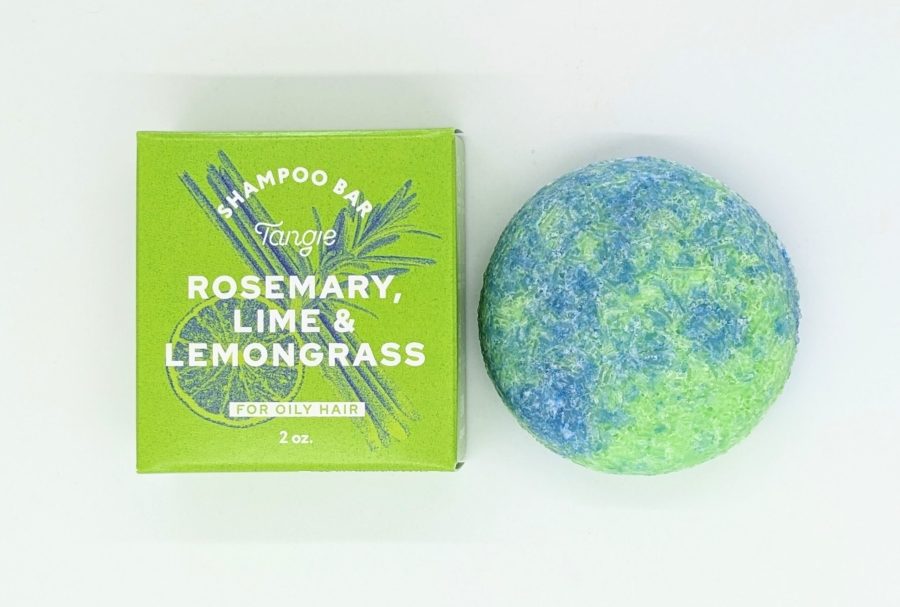
If growth is your actual goal, contact time is what you’re after. A leave-in rosemary water mist or a properly diluted oil you massage in and leave on gives the compounds far longer to do their thing than a shampoo you rinse in under a minute. A rosemary shampoo is a nice supporting player. I wouldn’t lean on it as the headliner.
Can A Shampoo Be Fragrance-Free & Contain Rosemary Extracts?
Yes, a shampoo can legally and functionally be labeled “fragrance-free” while containing rosemary extract. However, there is a technical catch depending on which part of the rosemary plant is used and why it was added.
How Long Does Rosemary Water Take To Bring Results?
Using rosemary water for hair care has gained popularity due to its potential benefits for scalp health and hair growth. Here’s an expanded timeline on what to expect when using rosemary water consistently:
1–2 Weeks: Initial Improvements
- Scalp Irritation Decreases: Many users report a reduction in scalp irritation and itchiness within the first couple of weeks. This is often due to rosemary’s anti-inflammatory properties, which can soothe the scalp and reduce discomfort.
- Cleaner Scalp Feel: Rosemary water can help cleanse the scalp by removing excess oil and buildup from hair products. Users may notice a fresher, cleaner feeling, which can contribute to overall scalp health.
4–6 Weeks: Noticeable Changes
- Reduction in Hair Shedding: After about a month, many individuals observe a decrease in hair shedding. This can be attributed to rosemary’s ability to strengthen hair follicles and improve blood circulation to the scalp, which can help minimize hair loss.
- Improved Scalp Health: Continued use may enhance the overall health of the scalp, leading to a balanced environment for hair growth. Users may also notice less dandruff or flakiness.
3–6 Months: Visible Growth
- New Growth Along the Hairline: With consistent use over several months, users may begin to see new hair growth, particularly along the hairline. This is especially encouraging for those experiencing thinning hair or receding hairlines.
- Thicker, Healthier Hair: In addition to new growth, existing hair may become thicker and healthier due to improved scalp health and reduced shedding.
Maintenance and Caution
- Steady Routine: To achieve the best results, it’s essential to maintain a routine of applying rosemary water. This could involve using it as a rinse after shampooing or incorporating it into a scalp massage.
- Stop if Irritation Occurs: While rosemary is generally safe, it’s important to be attentive to your scalp’s reaction. If you experience redness, itching, or any discomfort, discontinue use immediately to avoid further irritation. Consider consulting a healthcare professional if symptoms persist.
Patience is key when using rosemary water for hair care. While some benefits can be noticed within weeks, significant changes in hair growth and health typically take several months. By maintaining a consistent routine and monitoring your scalp’s response, you can harness the potential benefits of rosemary water effectively.
How to Make Rosemary Water at Home and Use it
This is the fun part, and the reason the trend took off; it costs almost nothing and takes about ten minutes of hands-on time. Here’s the method I actually use.
What you need:
- 3 cups of water (filtered or distilled if your tap water is hard)
- 2 to 3 sprigs of fresh rosemary, or about 2 tablespoons dried
Bring the water to a boil, drop in the rosemary, then take the pot off the heat and clap a lid on it. Now the important step everyone rushes: let it steep until it’s completely cool. I usually leave mine an hour or more — the longer it sits, the deeper the color and the more of the plant’s compounds end up in the water. Strain out the sprigs, pour the liquid into a clean spray bottle, and store it in the fridge. It keeps for up to two weeks. Because there’s no preservative in it, I make small batches and toss anything that smells off, and I keep it cold between uses.
A few variations worth trying once you’ve got the basic version down:
- Cold-steep for potency. Instead of boiling, cover fresh rosemary with room-temperature water and let it infuse in the fridge for 24 to 48 hours. Slower, but heat-sensitive compounds survive better.
- Rosemary + herbs. A little peppermint adds a tingle and its own circulation kick; a chamomile or lavender sprig makes it gentler and better-smelling. These are personal-preference tweaks, not evidence-backed upgrades — I do them because I enjoy them.
- Rosemary tea rinse. Steep it strong, let it cool, and use it as a final rinse in the shower after conditioning. No spray bottle required.
Rosemary water routines are actually worth your time
Here’s how to fold it in without wasting the batch you just made:
The everyday mist
Spritz it onto your scalp and roots, part by part, then use your fingertips to massage it in for a minute or two. You can do this on dry hair between washes or on damp hair after the shower. The massage isn’t optional in my book — it’s half of why the ritual works, driving that circulation boost the studies point to.
The leave-in soak
On wash day, after shampooing, saturate your scalp and lengths a little more generously and let it sit for five to ten minutes before you rinse or move on to styling. Follow with a light hair oil if you like, to seal in moisture.
The consistency rule
Start with two or three applications a week and adjust from there. You can use rosemary water daily as a light leave-in mist — plenty of people do — but check in with your scalp and back off if you see any irritation. Whatever cadence you pick, the non-negotiable is patience. The clinical results took a full six months to show up, and that was with concentrated oil. Expect to give a homemade water mist at least eight to twelve weeks of steady use before you judge it, and take honest “before” photos on day one, because gradual change is almost impossible to eyeball in the mirror.
If you find the water isn’t doing enough and your scalp tolerates it, stepping up to a properly diluted rosemary essential oil brings you closer to what the research actually tested, which is a reasonable next move, not a failure of the water.
Does Rosemary have any side effects for the scalp?
Rosemary is gentle for most people, which is a big reason the trend spread the way it did. But “natural” and “risk-free” aren’t the same word, and the risk depends heavily on which form you’re using.
Rosemary water is the low-drama option. It’s dilute by nature, so reactions are uncommon.
The most likely issue is mild irritation, redness, or itchiness — usually in people with sensitive skin or an existing scalp condition. Even so, I’d patch test a new batch: dab a little on the inside of your elbow or behind your ear, wait 24 hours, and make sure nothing flares before you go spraying it all over your head.
Rosemary essential oil demands more respect.
It’s concentrated, and applying it undiluted is asking for a burning, itchy, irritated scalp, the opposite of the calm you’re after. Always cut it into a carrier oil first (jojoba, coconut, and argan are all easy choices); a common ratio is a few drops per tablespoon of carrier. Allergic contact dermatitis is possible with the oil, too, which is another vote for patch testing before the first full application.
A few situations call for extra caution regardless of form. If you’re pregnant or breastfeeding, check with your doctor before using concentrated rosemary oil — traditional guidance errs conservative here, and it’s not worth guessing. Rosemary essential oil is also often flagged as something to avoid at high concentrations for people with epilepsy; if that’s you, talk to a clinician first. And keep any form well away from your eyes, because it stings.
The honest expectation-setting matters as much as the safety notes. Rosemary is not a treatment for medical hair loss, and I’d never want you to lean on a spray bottle while something treatable goes unaddressed.
Sudden shedding, hair coming out in patches, a rapidly widening part, or thinning paired with scalp pain or other symptoms — those warrant a dermatologist, not a home remedy.
Conditions like androgenetic alopecia, alopecia areata, and telogen effluvium each respond to different approaches, and a professional can tell you which one you’re actually dealing with. Rosemary can be a genuinely nice part of a scalp-care routine. It’s not a diagnosis and it’s not a cure.
So, is the rosemary water trend good for your hair?
Mostly, yes — with your eyes open. Rosemary has one solid clinical trial showing its oil can rival 2% minoxidil for genetic hair thinning, a believable mechanism rooted in circulation and antioxidant protection, and a scalp-soothing track record that goes back centuries. That’s a stronger evidence base than most viral hair hacks can claim.
The asterisk is that the spray-bottle water riding the trend is the gentle, largely unstudied relative of the concentrated oil that earned the headlines.
So set your expectations to match: rosemary water is a low-cost, low-risk, pleasant addition to a healthy routine that might give your scalp and follicles a modest edge over months of consistent use. If you want to hew closer to what the science actually tested, a diluted rosemary oil is the more faithful version. Either way, the herb works best as one steady habit inside a bigger picture, gentle handling, a balanced diet, decent sleep, and real medical help when something’s genuinely wrong.
Make a small batch, keep it in the fridge, massage it in a few times a week, photograph your starting point, and check back in three months. That’s the realistic version of this trend — and it’s a version I’m happy to stand behind.
| This article is for general education and isn’t medical advice. If you’re dealing with meaningful or sudden hair loss, see a dermatologist who can assess your scalp directly. |


