
Clean Your Washing Machine In 30 Minutes

Has your laundry lost that fresh scent, hinting that it’s time to clean the washing machine? A neglected washer can harbor unwanted odors, mildew, and bacteria, significantly reducing its cleaning effectiveness and potentially affecting the freshness of your clothes.
Over time, detergent residues, dirt, and fabric softener buildup can accumulate in front-loading and top-loading machines, leading to unpleasant smells and dirty laundry.
Our comprehensive guide will take you through a foolproof, step-by-step process on how to clean your washing machine effectively.
Table of contents
Step By Step On How To Clean Your Washing Machine
Step 1: Clean Your Gasket
The rubber seal around the door (or top of the agitator) is the #1 place where moisture and residue hide. Using a damp cloth with white vinegar, wipe down the inside and outside of the rubber gasket. Use an old toothbrush to scrub inside the folds where hair, soap scum, and slime accumulate.
Step 2: The Vinegar/Baking Soda Cycle
Run the machine on its hottest cycle. Before starting, pour 2 cups of white distilled vinegar directly into the drum.
The Follow-up: Once that cycle finishes, sprinkle 1/2 cup of baking soda directly into the drum and run a second hot cycle.
The vinegar cuts through mineral deposits (hard water buildup), and the baking soda neutralizes lingering odor-causing bacteria.
Step 3: Clear the Filter
Most modern front-loaders have a drain pump filter located behind a small door at the bottom front of the machine. This filter collects coins, hair, and lint; if left alone, it becomes a literal swamp for bacteria.
Place a shallow pan on the floor, open the door, and slowly unscrew the filter. Be prepared for a cup or two of water to spill out. Rinse the filter under hot water until all lint and debris are gone.
Step 4: Wipe Down the Detergent Drawer
Old, congealed soap is a magnet for mildew.
This ensures your detergent flows freely into the drum rather than getting trapped in old residue.
Remove the drawer entirely (there is usually a release tab) and scrub it with hot, soapy water. Use a toothbrush to clean the slot in the machine where the drawer slides in.
How Often To Clean The Washing Machine?
To avoid the accumulation of bacteria, mold, and detergent residues that can lead to unpleasant smells and impact your washing machine’s efficiency, clean your washing machine approximately once a month or after every 30 wash cycles.
If you often wash heavily soiled items or reside in a humid area, you might need to clean them more frequently.
What is the distinction between cleaning and sanitizing a washing machine?
Cleaning involves removing dirt, detergent buildup, and other residues from your appliance.
On the other hand, sanitizing focuses on decreasing the number of germs in your washer. Sanitizing is intended to be a more thorough process aimed at eliminating harmful bacteria.
| Task | Frequency | Ingredient |
|---|---|---|
| Drum clean | Monthly | Vinegar & Baking Soda |
| Gasket clean | Weekly | Vinegar |
| Detergent drawer clean | Monthly | Dish Soap |
| General wipe-down | Weekly | Vinegar or Soap Solution |
Main Causes For Buildup In Your Washing Machine
Modern washing machines are designed to use less water. This reduction in water can prevent the detergent from fully dissolving, which may leave a residue of soap in the drum and could potentially harm your machine. It’s essential to adhere to the manufacturer’s guidelines regarding the type and quantity of detergent to use.
Another common issue is leaving damp laundry in the washer for extended periods. Many of us have experienced returning home after a long day, starting a laundry load, and then dozing off, only to find the next morning that our clothes have developed an unpleasant odor and need to be washed again. If this becomes a routine, it could lead to the growth of mold and mildew.
The ideal approach is to transfer wet clothes to the dryer immediately after the washing cycle finishes. Consider setting a reminder on your phone to help you remember.
Avoid Overusing Detergent
It’s a common belief that more detergent means cleaner clothes, but this isn’t necessarily true. Here’s why you should be cautious:
Modern washing machines are designed to use less water, which means there’s not enough liquid to fully dissolve excess detergent. This can lead to soap residue accumulating in the drum, creating a breeding ground for mildew and potentially damaging your machine over time.
What You Should Do: Always refer to your washing machine’s manual for the recommended type and amount of detergent. Using the right amount not only keeps your clothes clean but also helps maintain your machine’s performance.
Don’t Leave Wet Clothes in the Washer
We’ve all experienced the frustration of starting a load of laundry and then forgetting about it. However, leaving wet clothes in the washer for extended periods can lead to musty odors and mildew growth.
When wet fabrics sit in a closed environment, they create the perfect conditions for mold and mildew to thrive.
Best Practice: As soon as the wash cycle is complete, promptly transfer your clothes to the dryer.
Consider setting an alarm on your phone or using a timer to remind you to move your laundry. This simple step can save you from having to rewash smelly clothes.
Hang Up Damp Towels and Washcloths
Towels and washcloths often retain moisture, making them susceptible to mildew if not dried properly. If you toss damp towels into a hamper without letting them dry first, you’re inviting mildew to take hold.
What to Do: Always hang damp towels and washcloths up to dry before placing them in the laundry basket. The same applies to wet clothes and bathing suits—allow them to air out to prevent moisture buildup.
Act Quickly on Musty Smells
If you notice a musty odor in your freshly washed clothes, it’s a sign that something needs attention. This smell often indicates mildew or mold growth within the washing machine itself.
Clean your washing machine regularly, focusing on the drum, detergent drawer, and rubber seals. You can run a cleaning cycle with a washing machine cleaner or use a mixture of vinegar and baking soda to help eliminate odors.
Consider the type of detergent
Opt for high-efficiency (HE) detergents that are designed for your machine and use the appropriate amount to prevent excess suds that can lead to excess residue. Some of the best high-efficiency (HE) detergents:
- Tide Original Liquid Laundry Detergent
- Persil ProClean Liquid Laundry Detergent
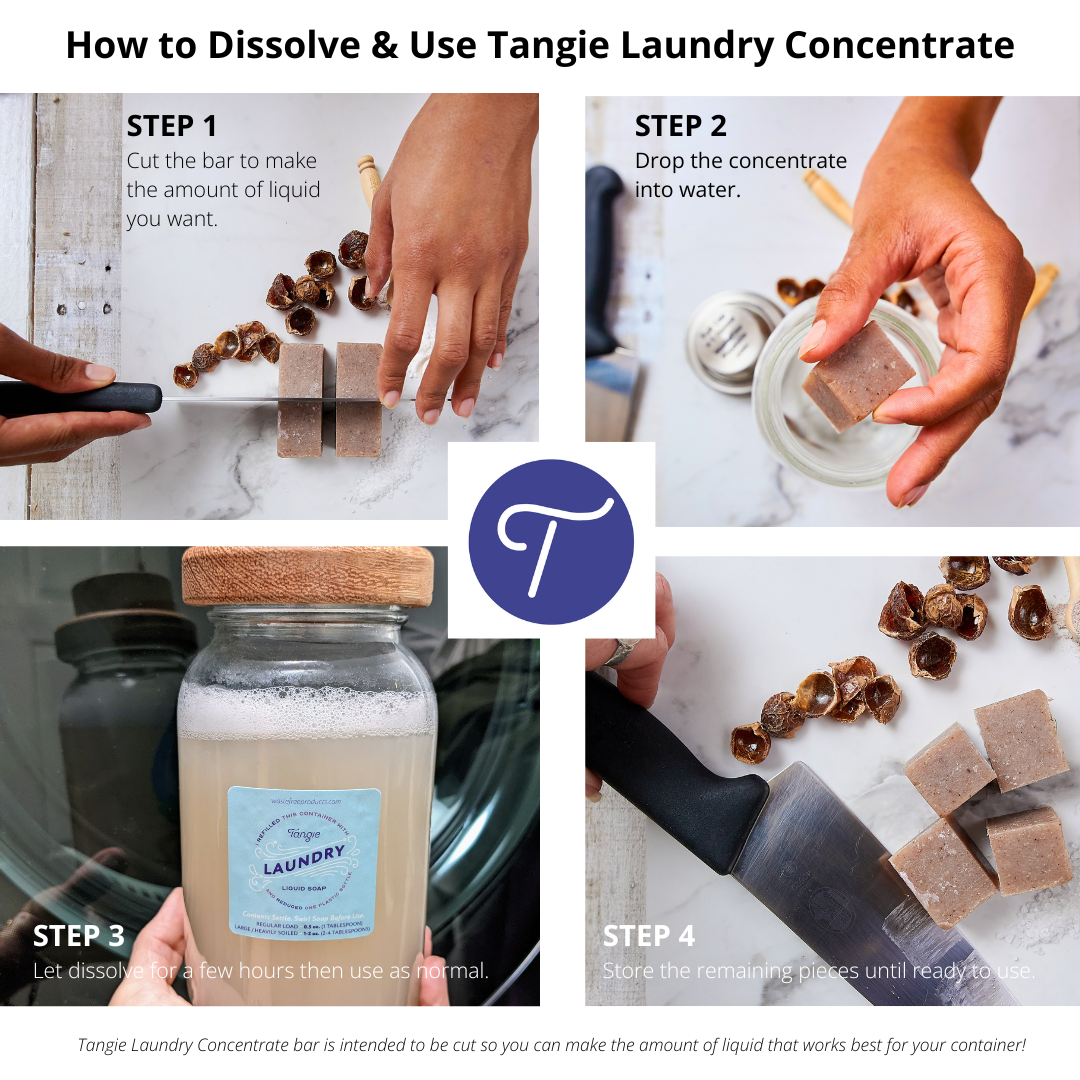
- Tangie Laundry Detergent Bar
- Dirty Labs Bio-Liquid Laundry Detergent
Incorporating these habits into your laundry routine not only keeps your washing machine in excellent condition but also extends its lifespan, saving you money in the long run. Regular maintenance creates a healthier environment for your laundry, preventing any unpleasant surprises when you open the machine.
Why Should You Clean Your Washing Machine Regularly
Keep your washing machine in top shape to ensure consistently clean clothes and extend its lifespan. Regular maintenance, such as cleaning the detergent drawer, wiping the door seal, running maintenance washes, ensuring proper drainage, and avoiding overloading, boosts efficiency and prevents mold, mildew, and odors.
Neglecting these tasks can lead to poor performance and costly repairs, while proper care saves money and keeps your laundry fresh.
Eliminates Bacteria and Mold
Cleaning your washing machine tackles the unseen culprits that can cause a stinky mess: bacteria and mold. These unwanted guests thrive in damp environments like a washer tub, breeding after each cycle if leftover moisture lingers.
Bacteria like E. coli and mold spores can multiply quickly, leading to unpleasant odors that may transfer onto your clean laundry. Additionally, some molds can release spores into the air, triggering allergies and respiratory issues, especially in sensitive individuals.
A thorough cleanse strips away mildew and germs, leaving you with a sanitized drum where fresh laundry can spin without picking up any foul odors or irritating allergens.
| Can Mold Grow On A Washing Machine Due To Expired Laundry Detergent? Yes, mold can grow on a washing machine if expired laundry detergent is used. Expired detergents may lose their effectiveness, leading to residue buildup and damp environments, which promote mold growth. Additionally, if the washing machine is not cleaned regularly or if it retains moisture, it creates an ideal setting for mold. To prevent this, always check detergent expiration dates, clean the washing machine regularly, and leave the door open to allow for proper ventilation. |
Similar to cleaning your dishwasher, simply running a hot cycle with a washer cleaner or using a mixture of vinegar and baking soda can significantly reduce these harmful microorganisms.
It’s recommended to also inspect and clean the rubber gaskets and seals where mold can often hide, as these areas are often overlooked yet crucial to maintaining a completely clean appliance.

Regular maintenance not only banishes these microbes but also prevents their comeback by disrupting the cozy conditions they love. Scrubbing down detergent dispensers, wiping the gasket, and airing out the drum are simple habits that keep your appliance in top shape. For those especially humid or damp climates, it may be beneficial to leave the door ajar between uses to allow for proper ventilation, further discouraging mold growth.
Your clothes come out cleaner because they’re washed in an environment free of contaminants, ensuring every laundry day ends with truly clean results.
By maintaining a clean washing machine, you’re investing in the longevity and efficiency of your appliance, as well as the health of your family.
Removes Dirt and Oil Buildup
Over time, washing machines can accumulate a mixture of dirt and oil from our clothes. This buildup not only leaves a residue inside the washer tub but can also affect performance, often trapping odors that transfer to your laundry.
Fabrics like cotton and synthetic blends can release oils, sweat, and soil, which settles in the machine, creating a dulling effect on clothing over time.
Regular cleaning breaks down these layers, ensuring that each load emerges truly clean and smelling fresh. This is vital, especially for those who tend to wash items like sportswear or work clothes that may carry strong odors or stubborn stains.
Using the right methods to tackle this grime maintains the efficiency of your machine and extends its lifespan. Start by selecting either home remedies like vinegar, which acts as a natural deodorizer and softener, or commercial cleaners designed specifically for washer upkeep. These specialized cleaners often contain enzymes tailored to break down fabric softeners and oily residues, providing a deeper clean.
After addressing dirt and oil buildup, focus on keeping your clothes fresh by moving to the next step: ensuring effective cleaning during every wash cycle. Implement essentials like regularly using hot water cycles for whites and setting aside time once a month for a complete machine clean-out.
Additionally, consider regularly cleaning the lint filter, if applicable, and avoiding overloading the machine to facilitate a more thorough wash. Properly maintaining your washer not only enhances the quality of your laundry but also helps you avoid costly repairs or replacements down the line.
Cleaner Clothes & Easy Laundry
To ensure efficient and effective cleaning of clothes, it is imperative to keep your washing machine in optimal condition. Over time, various residues can build up inside the washer tub, including dirt, soap scum, and mineral deposits.
These accumulations not only hinder the performance of the machine but also lead to subpar wash cycles that can leave unwanted residues on your laundry. When your washing machine isn’t functioning properly, likely, your clothes won’t emerge as clean as they should be, which can be disappointing and frustrating.
A good practice for maintaining your washing machine is to regularly run a maintenance wash.
This involves setting your machine to the hottest water setting and adding a specialized washing machine cleaner. These cleaners are formulated to break down and dissolve the stubborn build-ups that accumulate over time, allowing the washing machine to operate at its best.
By doing this maintenance wash approximately once a month, you can help ensure that your machine remains free of accumulated grime and continues to clean your clothes effectively.
To maintain your washing machine, clean the detergent dispensers regularly, as residue buildup can lead to mold, odors, and stains on clothing. Remove and wash them with hot soapy water, ensuring they are completely dry before reinserting to prevent moisture.
Additionally, clean the lint filter and rubber door seals to avoid odors and improve efficiency. Proper maintenance not only ensures cleaner laundry but also extends the machine’s lifespan, saving you from costly repairs.
Best Practices & Methods To Keep Your Washing Machine Clean
Keeping your washing machine clean is essential for maintaining its efficiency and ensuring that your laundry smells fresh. Over time, various substances such as detergent residue, fabric softener, dirt, and even mold can accumulate inside the machine.
This build-up not only leads to unpleasant odors but can also decrease the overall performance of your washing machine.
Regular cleaning can help mitigate these issues, prolonging the life of your appliance and ensuring that your clothes come out clean and fresh.
To clean your washing machine effectively, you can use common household ingredients that are both safe and effective. Here’s a step-by-step guide on how to do it:
Use Vinegar To Improve Detergent Performance
Begin by setting your washing machine to the hottest and longest cycle. Add 2 cups of white vinegar to the drum. The vinegar helps to dissolve soap scum, eliminate odors, and disinfect the machine.
Once the cycle is complete, wipe down the inside of the drum with a cloth to remove any remaining residue.
Don’t Use Vinegar In Every Wash Cycle! Using Vinegar can have adverse affects on your washing machine.
| Can You Mix Vinegar & Baking Soda In The Washing Machine? Vinegar is a natural disinfectant and deodorizer. It helps break down soap scum, mineral deposits, and mold, making it an effective cleaning agent for washing machines. But the answer is NO. When vinegar (an acid) and baking soda (a base) are combined, they react to neutralize each other. This reaction creates carbon dioxide gas, which can lead to fizzing. They will neutralize one another, rendering their cleaning benefits ineffective. It is recommended to use them separately at different times: incorporate baking soda into the wash to combat odors and enhance detergent performance, and add vinegar to the fabric softener compartment to brighten clothes and eliminate residue. |
Use Baking Soda for Freshness
Always use Baking soda after the vinegar cycle, sprinkle half a cup of baking soda into the drum and run another hot cycle.
Baking soda acts as a deodorizer and helps to brighten any lingering stains. Additionally, it is a natural cleaning agent that can effectively eliminate odors and refresh surfaces, making it a versatile tool for household cleaning tasks.
This step will also help balance out any odors that may be left behind after cleaning with vinegar.
Cleaning the Detergent Drawer
Remove the detergent drawer and soak it in hot, soapy water. Use an old toothbrush to scrub away any built-up residue. Rinse it thoroughly before placing it back in the machine.
Wiping Down Rubber Seals
Pay special attention to the rubber door seal, which can trap dirt and moisture. Use a mixture of vinegar and water or a mild detergent to clean this area. Make sure to dry it afterward to prevent mold growth.
Regular Maintenance
To prevent future build-up, leave the door open for a while after each wash to let the interior dry. Additionally, remember to clean your washing machine every month or as needed to maintain its performance.
By utilizing these simple cleaning methods, you can keep your washing machine in optimal condition, ensuring that your laundry comes out as clean and fresh as possible, cycle after cycle.
How To Clean Top-Loading and Front-Loading Machines
Cleaning your washing machine is an essential part of maintaining its performance and longevity. Over time, washing machines can accumulate dirt, detergent residue, and even mold, which can lead to unpleasant odors and less effective cleaning.
Regular cleaning helps to eliminate odors, remove residue, and prevent mold growth, ensuring that your appliance operates efficiently.
Clean A Top-Loading Washing Machine
For top-loading washing machines, you can start the cleaning process by running a hot water cycle with the machine empty. Add a mixture of two cups of white vinegar and a quarter cup of baking soda to help dissolve any buildup inside the drum. Once the cycle is complete, wipe down the interior, including the lid and the basket, with a damp cloth to remove any loosened debris.
Gather Your Supplies:
- White vinegar
- Baking soda
- A clean cloth or sponge
- Optional: essential oils (like tea tree or lavender) for fragrance
Run a Hot Cycle:
- Fill the tub with hot water.
- Add 4 cups of white vinegar to the water and mix well.
- Let the machine run for a few minutes to agitate the mixture, and then pause it so the solution can sit and soak for an hour.
Scrub the Interior:
- After soaking, restart the machine and allow it to complete the cycle.
- While it’s running, use a clean cloth or sponge dipped in the vinegar solution to wipe down the interior walls, lid, and agitator.
Add Baking Soda:
- Once the cycle is done, add 1 cup of baking soda to the tub and run another hot water cycle. This will help eliminate any leftover residue and odors.
Final Wipe Down:
- After the cycle is complete, wipe down the exterior and any crevices with a damp cloth.
Leave the Lid Open:
- Once finished, keep the lid open to allow the interior to dry completely and prevent mold growth.
Clean A Front-Loading Washing Machine
If you have a front-loading model, it’s important to regularly clean the rubber door seal, as it can trap water, lint, and detergent residue. Wipe it with a mixture of equal parts water and vinegar to effectively remove any mold or mildew that might be developing.
Additionally, run a cleaning cycle or a hot water cycle with specialized washing machine cleaner tablets, which can help break down any remaining residues inside the drum.
Gather Your Supplies:
- White vinegar
- Baking soda
- A clean cloth or sponge
- Optional: a small brush or toothbrush
Run a Cleaning Cycle:
- If your machine has a cleaning cycle, use that option. If not, set it to the hottest setting.
- Pour 2 cups of white vinegar into the drum and run the cycle.
Clean the Dispenser Drawer:
Remove the detergent dispenser drawer. Soak it in warm, soapy water, scrub it, and then rinse thoroughly before reinserting it.
Wipe the Door Seal:
- Check the rubber seal around the door for any debris, lint, or mold.
- Use a cloth soaked in a vinegar solution to wipe it clean.
Add Baking Soda:
After the vinegar cycle, sprinkle 1/2 cup of baking soda into the drum and run another hot water cycle to eliminate odors and residues.
Final Wipe Down:
Wipe down the exterior, especially the control panel, to keep it clean and functional.
Keep the Door Open:
After cleaning, leave the door slightly ajar to allow air circulation, preventing moisture buildup and mold growth.
How Often Should You Clean A Top & Front Loading Washing Machine?
To clean your washing machine, start by running an empty hot water cycle with a cup of white vinegar or a washing machine cleaner to eliminate buildup and odors.
| Task | Frequency |
| Leave Door/Drawer Ajar | Every time you finish a load |
| Wipe Gaskets & Door Seals | Every 2 weeks |
| Clean Detergent Drawer | Every month |
| Deep Clean (Vinegar/Baking Soda) | Every month (or 30 cycles) |
| Clean Drain/Pump Filter | Every 3 months |
Afterward, wipe down the drum, detergent dispenser, and door seals with a damp cloth to remove any residue.
| Aspect | Top-Loading Washer | Front-Loading Washer |
|---|
| Water Filling | Fill manually with hot water using a cycle setting | No need to fill manually; use built-in hot cycle |
| Vinegar Placement | Directly into the drum | In the detergent dispenser |
| Baking Soda Placement | Added to the drum after the vinegar cycle | Added into the drum after the vinegar cycle |
| Gasket Cleaning | Not required (no rubber seal) | Essential—clean mold-prone rubber door seal |
| Soaking Pause | Pause the cycle for 1 hour after the vinegar | No pause; full cycle runs normally |
| Scrubbing Focus | Around lid, agitator, and inner rim | Around the lid, agitator, and inner rim |
| Cycle Type | Hot water soak + full cycle | Longest hot wash cycle used twice (with vinegar, then baking soda) |
| Ease of Access | Easy to reach all parts from above | Gasket and drawer require extra attention |
Don’t forget to check and clean the filter regularly, as it can accumulate lint and debris over time. By following these steps, you can ensure your washing machine remains in top condition and provides optimal performance.
Keeping your washing machine spick-and-span isn’t just about achieving an aesthetically pleasing appliance—it’s fundamentally tied to its overall performance as well. A clean washing machine tends to operate more efficiently, ensuring that every load of laundry is washed thoroughly and effectively. Over time, neglecting the cleanliness of your washing machine can lead to a buildup of detergent residue, fabric softener, dirt, and grime, which can hinder its performance.
When you take the time to clean, you’re not only prolonging the life of your appliance but also ensuring that you maintain the high standards of cleanliness for your clothes that you expect. Let’s make every spin cycle count! With each wash, you are contributing to a cycle of cleanliness and efficiency that benefits not just your clothes but your entire laundry routine.


