How to Get Red and White Wine Stains Out of Clothes, Even Dried Ones

Wine spills can be funny, but when it happens on your favorite shirt or pants, the worry is that the wine stain will last forever. There is absolutely no need to worry about wine stains if you act quickly, but both red & white wines need to be treated differently.
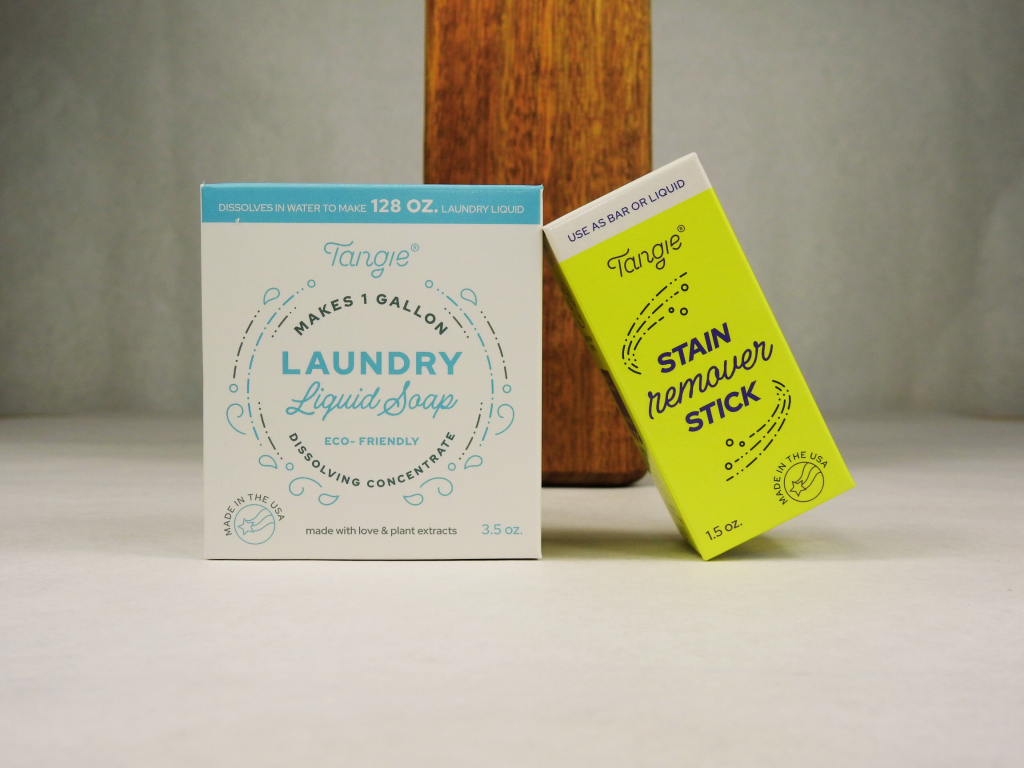
First step to treat a wine stain: Blot the wine, then flush the stain from the back with cold water. Cover red wine with salt while it is still damp. Work in a little dish soap or a wet stain stick, rinse cold, and wash as the care label says. Air dry and check before anything goes in the dryer.
A glass tips at dinner and the panic sets in. Most wine stains come out if you get to them while they are wet, and plenty of dried ones come out too with a soak and some patience. Red and white wine stains for different reasons, so this guide covers both, plus stains you only found the next morning.
A few napkins, a splash of water, and a dash of laughter can turn the mishap into a funny memory that you and your friends will reminisce about for years to come.
TL’DR – How To Remove Wine Stains
| Your stain | Do this |
|---|---|
| Fresh red wine | Blot, flush cold water through the back, cover with salt for 10 minutes, then dish soap and a cold rinse. |
| White wine | Rinse cold and wash the same day. The sugar turns yellow if it stays in. |
| Dried or set-in | Soak 30 minutes in cold water, pretreat, then soak a few hours in oxygen bleach. Expect 2 to 3 rounds. |
| Never | Rub it, rinse it hot before treating, or put it in the dryer before the stain is gone. |
Table of contents
First Step To Remove Wine Stains & Golden Rules of Stain Removing
Wine stains can be tough to remove, but there’s no need to panic; there are easy methods to rescue your garments. Regardless of whether it’s red or white wine, quick action and proper techniques can significantly change the outcome.
First Step -The sooner you treat the stain, the better. Use a clean cloth or paper towel to blot, never rub the wine. Avoid spreading it further.
What to Do in the First 5 Minutes
In this section: the four steps that decide whether a wine stain comes out easily. They work for red and white wine on any washable fabric.
- Blot from the outside in. Press a napkin or paper towel on the spill and lift it straight up. Move to a dry part of the towel each time. Rubbing spreads the wine and pushes it deeper.
- Flush cold water through the back. Turn the fabric over and run cold water through the wrong side. This pushes wine back out the way it came in.
- Keep it damp. A wet stain is much easier to lift than a dry one. If you cannot treat it yet, lay a damp cloth over it.
- Check the care label. Silk, wool, and anything marked dry clean only should go to a cleaner after blotting. Point out the spot when you drop it off.
Wine is easier than some stains. Unlike grease stains, which need soap to break up oil, wine is mostly water, so cold water does a lot of the work.

Ingredients You Need For Wine Stains At Home
| Household Items | Uses |
|---|---|
| Salt | Absorbs moisture and can help lift stains, especially from red wine and blood. |
| Baking Soda | Acts as a gentle abrasive and deodorizer; effective for grease and food stains. |
| White Vinegar | Natural degreaser and deodorizer; effective for removing odors and some food stains. |
| Hydrogen Peroxide | Acts as a mild bleach; effective for blood, wine, and other tough stains. |
| Dish Soap | Breaks down grease and oil; effective for a variety of food stains. Preferably choose a chemical-free option. |
| Club Soda | Carbonation helps lift stains; effective for fresh stains, particularly on fabrics. |
Keep a small stain-removal kit in your laundry room or travel bag. It makes a huge difference!
To remove residual wine stains from fabrics, you need methods that break down the pigments and tannins. Since the stain is already set, follow these steps, ensuring you do not use hot water or put the item in a dryer until the stain is completely gone.
Red Wine vs White Wine Stains
In this section: why the two wines stain differently, and what that means for how you treat them.
Red wine gets its color from grape skin pigments called anthocyanins, plus tannins. Both bind to fibers fast, which is why a red wine stain looks dark straight away.
White wine has almost no pigment, so the spill can look like it vanished once it dries. The sugar stays in the fabric, though. Over weeks, it can turn a yellow or brownish mark and attract dirt, which is why a white wine spill still needs washing.
| Red wine | White wine | |
|---|---|---|
| What stains | Pigments and tannins | Sugar and grape acids |
| When you see it | Right away, purple to red | Often later, as a yellow mark |
| First move | Blot, flush cold, salt | Blot, flush cold, dish soap |
| Avoid | Rubbing and the dryer | Ironing or storing it unwashed |
3 Easy Techniques To Get Rid of Red Wine Stains
Red wine stains can be stubborn and difficult to remove from various surfaces, including fabric, carpets, and upholstery. The pigments in red wine, particularly anthocyanins, cling to fibers and can create deep, dark marks that may seem impossible to eliminate. When dealing with wine stains, quick action is often key; blotting the stain with a clean cloth can help absorb some of the liquid.
There are various removal methods, including using club soda, white vinegar, or specialized stain removers. Different fabrics and materials may require different approaches, and there are also professional cleaning services available for more persistent stains. It’s essential to address wine stains promptly to increase the chances of successful removal.
Technique 1: Salt Works Wonders on Fresh Stains
Pour table salt directly onto the damp stain, focusing on covering the entire area affected by the wine. Let it sit for about 5 to 10 minutes to allow the salt to absorb the wine.
The salt works effectively to lift the pigment from the fabric or surface. After the time has elapsed, observe the salt; once it turns a pinkish color, indicating that it has absorbed the wine, use a brush or cloth to gently remove the salt.
Finally, rinse the area again with cold water to ensure all residues are eliminated and the vibrant stain is addressed.
What type of salt works best for wine stains?
Table Salt – Helps absorb the wine and lift the stain.
Kosher Salt – Works well to draw out moisture from the fabric. The coarser texture can provide a bit more scrubbing power.
| Salt & Baking Soda Technique Even if you’re staying in a particularly ill-equipped Airbnb, chances are you’ll be able to find some basic supplies like salt and baking soda in the kitchen. These common household items can come in handy for various emergencies, especially when it comes to cleaning up unexpected spills. As soon as a spill occurs, whether it’s wine, coffee, or some other liquid, it’s important to act quickly to mitigate the damage. Instead of panicking or scrubbing frantically at the stain (which can often ground the stain deeper into the fabric or surface), reach for either baking soda or salt. Both of these substances possess absorbent properties that can help lift the stain from the material. Sprinkle a generous amount of either baking soda or salt directly onto the stain. The crucial next step is to resist the urge to scrub; scrubbing can cause more harm than good, as it can spread the stain and damage the fibers of the material. Allow the powder or grains to sit on the stain for about ten minutes. During this time, you’ll typically observe the color of the stain starting to fade. This is a sign that the baking soda or salt is absorbing some of the moisture and pulling the stain out. After the 10 minutes are up, the next step is to carefully remove any excess powder. You can do this by lightly blotting the area with a clean dish towel or cloth. Make sure to use a blotting motion rather than wiping, as blotting helps to lift more of the stain without pushing it deeper into the material. Depending on the severity of the spill, you may need to repeat the process or follow up with a more thorough cleaning method to fully eliminate any remaining stain residue. |
Technique 2: White Vinegar + Dishwashing Liquid
To effectively tackle a wine stain using a homemade cleaning solution, begin by gathering your ingredients: one tablespoon of white vinegar, one tablespoon of dishwashing liquid (preferably a gentle formula), and two cups of cold water.
Mixing the Solution: In a bowl or a spray bottle, combine the white vinegar and dishwashing liquid. Next, gradually add the cold water while stirring to ensure the ingredients blend seamlessly. This mixture creates a powerful yet gentle cleaning agent that helps lift stains from fabric.
Application: Take a clean, white cloth or paper towel to avoid color transfer and dip it into the solution. Carefully dab the area of the stain, applying the solution generously without oversaturating the fabric.
Blotting: It’s crucial to blot the stain rather than rub it. Blotting helps absorb the stain and the cleaning solution into the cloth, rather than pushing it deeper into the fibers of the fabric. Repeat this process, dabbing and blotting, frequently checking the stain’s progress until you notice it beginning to fade.
Rinsing: Once the stain has lightened or disappeared, rinse the area well with cold water to remove any remaining cleaning solution. This step helps prevent a residue build-up, which can attract dirt if left in the fabric.
Drying: After rinsing, gently pat the area dry with another clean cloth or towel. Allow the fabric to air dry completely, preferably away from direct sunlight to avoid any potential fading.
Following these careful steps will enhance the effectiveness of your stain removal efforts while keeping your fabrics looking clean and fresh.
Technique 3: Hydrogen Peroxide + Dish Soap
Using a mixture of hydrogen peroxide and dish soap is an effective way to treat wine stains. Hydrogen peroxide is a powerful oxidizer that can break down the pigments found in red wine, while dish soap helps to lift the stain from the fabric.
To create this stain-fighting solution, combine equal parts of hydrogen peroxide and dish soap in a bowl or container. Gently mix the two ingredients until they form a uniform solution.
Hydrogen Peroxide (3% solution)
Dish Soap (preferably chemical-free)
Here’s How You Use This Technique –
- Blot the Stain: Gently blot the wine stain with a clean cloth to absorb excess liquid.
- Prepare the Cleaning Solution: Mix 1 part hydrogen peroxide with 1 part dish soap in a bowl.
For instance, combine 1 cup of hydrogen peroxide with 1 cup of dish soap.
- Apply the Mixture: Pour or apply the solution directly onto the wine stain, ensuring it is fully covered.
- Let it Sit: Allow the solution to sit for about 30 minutes to penetrate the stain.
- Blot Again: After 30 minutes, blot the area to absorb the solution and loosen the stain.
- Rinse: Rinse the stained area with cold water to remove any residue.
- Launder: If the stain persists, treat it again with an appropriate stain remover and rewash the fabric.
Avoid using heat to dry the item until the stain is completely removed, as heat can set the stain permanently. Repeat the process if necessary, and always follow the care label instructions to prevent damage to the fabric.

Common Mistakes While Treating Red Wine Stains
Never put a stained item into a clothes dryer until you are 100% sure the mark is gone. The intense dry heat of a clothes dryer permanently bakes any remaining wine pigments directly into the fabric matrix.
Do NOT scrub the stain!
When faced with a red wine stain, your first instinct might be to grab a cloth and scrub at it vigorously. However, this approach is counterproductive. Scrubbing can initially lift some of the red wine out of the fabric, but it often results in the stain spreading outward, making the situation worse.
This is particularly troublesome with upholstery, such as couches or carpets, where the fibers are delicate and can absorb the wine even deeper. Instead, use a blotting technique: gently dab at the stain with a clean cloth or paper towel, starting from the outer edge and working your way in to prevent any further spreading.
Don’t wait too long
Time is of the essence when it comes to treating red wine stains. While it might be tempting to postpone dealing with the stain due to time constraints or the hassle involved, waiting too long can lead to the stain setting into the fabric.
The longer the wine is left undisturbed, the more it penetrates and bonds with the fibers, making it increasingly difficult to remove. Ideally, you should address the stain as soon as possible. If immediate action isn’t feasible, try to at least blot up any excess wine gently with a cloth until you can treat it properly.
Do NOT apply heat
Applying heat to a red wine stain is one of the biggest mistakes you can make. When heat is introduced, it not only causes the stain to dry more quickly but also alters the chemical composition of the stain itself, making it more difficult to remove.
This means that if you use a hairdryer or toss stained items in the dryer, you can inadvertently “set” the stain, leading to a permanent mark on your fabric. Instead of applying heat, focus on treating the stain with cold water or appropriate cleaning solutions while it’s still wet, preserving your chances of complete removal.
Never apply white wine to red wine as a cleaning solution
When it comes to tackling red wine stains, there’s a widespread myth that pouring white wine on the stain can help lift it. This notion likely stems from a misunderstanding of how different wines interact with each other. However, we would like to clarify that this approach is not only ineffective but can actually exacerbate the problem.
White wine lacks the necessary properties to act as a cleaning agent for red wine stains. The primary compounds responsible for red wine’s vibrant hue come from the grapes’ skins, and white wine does not contain the enzymes or solvents that would neutralize these pigments. Instead of lifting the stain, adding white wine may dilute the color but ultimately lead to a larger, more dispersed stain on your fabric or carpet.
In addition, the acidity in white wine can impact the texture and integrity of certain fabrics, potentially making the situation worse in the long run. For the sake of preserving your items and to avoid wasting perfectly good white wine, it’s best to seek out alternative cleaning solutions that are specifically intended for dealing with red wine stains.
There are several tried-and-true methods for treating red wine stains. One effective approach is to immediately blot the stain with a clean cloth or paper towel to absorb as much of the wine as possible. Following that, a mixture of hydrogen peroxide and dish soap can be applied to the area, with gentle dabbing to lift the stain.
Alternatively, you could use a commercially available wine stain remover, which has been formulated to break down the tannins in red wine. No matter the method you choose, acting quickly is key to preventing a lasting mark.
| You might have heard the old bar trick that pouring white wine on a red wine stain cancels it out. While it can work in a pinch on a fresh spill, it only works because the clear liquid dilutes the red pigment (acting like plain water). If the red wine is already set and dry, adding white wine will just add more sugar to the fabric, leaving you with a sticky, complicated mess to clean up! |
3 Easy Techniques To Get Rid of White Wine Stains
White wine stains are generally easier to remove than red wine stains because they lack the deep red pigments (tannins). The key is to act fast and avoid heat, which can set the stain permanently.
NEVER put the stained item in the dryer or apply heat (including hot water) until you are 100% sure the stain is gone. Heat will permanently set the stain, making it almost impossible to remove later. Always air dry until you’ve confirmed the stain is completely removed.
White Wine Stain Removal
The Club Soda Method (Best for Quick Action)
The carbonation in club soda can help lift the wine from the fibers, and the mild salts it contains help draw out the sugar residue.
- Blot: Immediately blot the stain gently with a clean cloth or paper towel to absorb as much wine as possible. Do not rub.
- Saturate: Pour or spray a generous amount of club soda (or sparkling water) directly onto the stained area.
- Dab: Gently dab the club soda into the stain. You should see the stain begin to dilute.
- Rinse and Wash: Rinse the area with cold water and then wash the item immediately with your regular laundry detergent on a cold cycle.
The Dish Soap & Cold Water Method
This simple combination breaks down the sugary residue left by the white wine.
- Blot & Flush: Blot the stain to remove excess liquid. Then, rinse the stain under a stream of cold water from the back of the fabric to push the stain out.
- Treat: Apply a small amount of liquid dish soap (the kind used for handwashing dishes, not dishwasher detergent) directly onto the stain.
- Gently Work In: Use your finger or a soft brush to gently rub the soap into the stain for a minute or two.
- Rinse and Wash: Rinse thoroughly with cold water and launder as usual on a cold cycle.
The Baking Soda Paste Method
Baking soda is a mild abrasive that is great for absorbing and lifting the stain residue.
- Make a Paste: Mix baking soda with a very small amount of cold water to form a thick paste.
- Apply and Wait: Generously apply the paste directly onto the stain, ensuring the area is fully covered.
- Allow to Dry: Let the paste sit on the stain and dry completely (this may take several hours). As it dries, it will absorb the wine residue.
- Remove and Wash: Once completely dry, brush or vacuum the dried paste away. Then, rinse and wash the garment on a cold cycle.
Which Wine Stain Is Harder To Remove?
Among the two wine stains, red wine is a bit harder to deal with due to the nature of the stain.
Red wine poses a significant challenge when it comes to cleaning due to its deep color and intricate chemical composition. The pigments in red wine, known as anthocyanins, are highly concentrated and can bond strongly with fabrics and surfaces, leading to stubborn stains that are tough to eliminate.
The acids and tannins present in red wine further complicate the cleaning process, as they can set stains and create long-lasting damage if not promptly addressed.
On the other hand, white wine is generally considered easier to treat, as its lighter color and simpler composition make it less likely to cause immediate visual damage. However, it’s important to note that despite its apparent ease of cleaning, white wine can still result in significant long-term damage to materials if stains are not treated quickly and effectively.
The sugars and acidity in white wine have the potential to alter the texture and color of fabrics over time, especially if left unaddressed. Therefore, timely action is essential for both red and white wine spills to minimize the risk of permanent damage.
Dealing with red wine stains can be frustrating, especially because of their deep color and tendency to linger. It’s important to remember that prompt action can make all the difference. If you act quickly right after a spill, you’ll have a much better chance of removing the stain completely.
I know it can be tough, but don’t worry, addressing the issue right away can lead to a positive outcome.