
Fragrance-Free vs Unscented: What’s the Difference?

Fragrance-free means nothing was added to give a product a smell or to hide one. Unscented only means the product shouldn’t smell like much. An unscented product can still contain fragrance. It’s just used to cover up other smells.
The two labels sit side by side on store shelves. Most people treat them as the same thing. They aren’t.
TL;DR – Know The Difference Between Fragrance-free & Unscented
| What You Need To Know | |
|---|---|
| What does fragrance-free mean? | No added scent ingredients. No masking fragrance either. |
| What does unscented mean? | No noticeable smell. A masking fragrance may still be inside. |
| Can fragrance-free products smell? | Yes. Oils, soaps and plant butters have their own natural smell. |
| Are essential oils fragrant? | Yes. Lavender, tea tree and citrus oils all add scent, even in “natural” products. |
| Which should I pick? | Fragrance-free if fragrance bothers your skin or breathing. Unscented if you only dislike strong smells. |
Table of contents
- Difference Between Fragrance-free vs Unscented
- What does Fragrance-free mean?
- What does Unscented Mean?
- Fragrance Ingredients and examples
- Unscented products: ingredients and examples
- What is fragrance-free good for?
- What is Unscented Good For?
- Unscented or fragrance-free: Which should you choose?
- How To Check Any Product Label in 30 seconds
- Quick answers
Difference Between Fragrance-free vs Unscented
The difference is about what’s added, not how it smells. Fragrance-free rules out masking scents. Unscented doesn’t.
| Fragrance-free | Unscented | |
|---|---|---|
| Added fragrance to create a smell | No | No |
| Added fragrance to hide a smell | No | Possibly |
| Can it still smell a little? | Yes, from its base ingredients | Usually not, that’s the goal |
| Who defines it? | The brand (the EPA has a voluntary standard) | The brand |
| Better for fragrance allergies? | Yes | Not reliably |
Neither term has a legal definition from the FDA. A brand decides what to print. That’s why the ingredient list matters more than the front label.
What does Fragrance-free mean?
A fragrance-free product has no scent ingredients added for any reason. The EPA’s definition is the strictest one available.
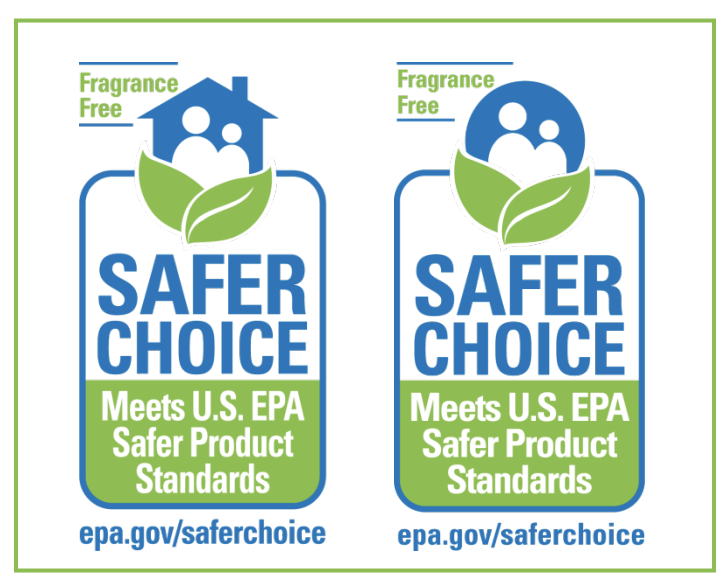
The US Environmental Protection Agency runs a voluntary label called Safer Choice. Its fragrance-free criteria put it plainly: “neither fragrance materials nor masking scents are used in the product.”
That covers two things:
- Nothing added to make the product smell nice.
- Nothing added to cover up a smell.
This part surprises people. A fragrance-free product can still smell. Coconut oil smells like coconut. Soap smells like soap. The EPA notes this too. Ingredients like cleansers and solvents carry their own odor.
So if a fragrance-free bottle smells faintly of something, that’s normal. It means nobody tried to hide it.
What a fragrance-free product leaves out
The EPA checks every ingredient against an industry list of known scent chemicals. It’s called the IFRA Transparency List. IFRA is the International Fragrance Association, the trade group for fragrance makers.
A product can’t earn the EPA’s fragrance-free label if it contains:
| Left out | Why |
|---|---|
| Added fragrance or parfum | It’s added to create a smell |
| Masking scents | They’re added to hide a smell |
| Scent chemicals with a second job | Some ingredients work as a solvent and a scent at the same time. The EPA counts them as fragrance. |
That last row is the one most brands skip. An ingredient can be listed for a practical reason and still add a smell. The EPA closes that gap. A brand’s own “fragrance-free” claim may not.
What a fragrance-free product can still contain
Fragrance-free doesn’t mean the product has no smell. This part surprises people.
Base ingredients have their own smell:
- Coconut oil smells like coconut.
- Shea butter smells nutty.
- Soap smells like soap.
The EPA notes this too. Cleansers and solvents carry their own odor. If a fragrance-free product smells faintly of something, that’s normal. It means nobody tried to hide it.
Where “fragrance-free” can still mislead
Outside the EPA program, “fragrance-free” is the brand’s own claim. No US law defines it.
The gray area is plant extracts. A brand may add a botanical extract for its feel on skin, and that extract may also smell. The American Academy of Dermatology warns that products made with plant botanicals may contain fragrance-related ingredients.
So read the list, even on a fragrance-free label. If you see an essential oil, the product has added scent.
What does Unscented Mean?
Unscented describes the result: a product with little or no smell. How the brand got there isn’t part of the promise.
Many base ingredients smell bad on their own. Some cleansers smell chemical. Some oils smell sharp or stale.
A brand has two ways to fix that:
Pick ingredients that don’t smell much.
Add a small amount of fragrance to cancel out the smell.
The second option is called a masking fragrance. The FDA confirms that “even some products labeled ‘unscented’ may contain fragrance ingredients.” The product ends up with no noticeable smell. But fragrance is still in it.
Why brands make unscented products
Many base ingredients smell bad on their own. Some cleansers smell chemical. Some oils smell sharp or stale. Shoppers don’t want that smell on their hair or clothes.
A brand has two ways to fix it:
- Pick ingredients that don’t smell much.
- Add a small amount of fragrance to cancel out the smell.
How a masking fragrance works
The second option is called a masking fragrance. It doesn’t add a new smell you’d notice. It blends with the base smell until both fade into the background.
The FDA confirms that “even some products labeled ‘unscented’ may contain fragrance ingredients.” It says a brand may add a little fragrance to cover other smells. The product ends up with no noticeable scent.
Your nose can’t tell the difference. Your skin might. A masking fragrance is still fragrance. If fragrance is your trigger, a small dose can still cause a reaction.
How to tell what kind of unscented you have
Unscented products fall into two groups. The front label looks the same for both. The ingredient list tells them apart.
| What the ingredient list shows | What you have |
|---|---|
| “Fragrance,” “Parfum” or “Masking fragrance” | Unscented with a masking fragrance |
| An essential oil | Not truly unscented. It has added scent. |
| No fragrance words or essential oils | Unscented with no added fragrance. In practice, this is fragrance-free. |
Some brands use “unscented” and mean fragrance-free. Others use it and add a masking scent. The label alone won’t tell you which.
Fragrance Ingredients and examples
Fragrance shows up on labels in a few forms. Some are obvious. Others use chemical or Latin names that don’t sound like scent at all.
US law lets brands write one word, “fragrance” or “parfum,” for a mix that can contain many chemicals. The FDA says fragrance formulas are often treated as trade secrets. You won’t see the full recipe.
Fragrance usually appears on an ingredient list in one of these forms:
| Type of fragrance | Examples | How it looks on the label |
|---|---|---|
| Fragrance blend | Synthetic or natural scent mixes | “Fragrance” or “Parfum” |
| Masking fragrance | A small dose to hide base smells | “Fragrance,” sometimes “Masking fragrance” |
| Essential oils | Lavender, tea tree, peppermint, sweet orange | “Lavandula Angustifolia (Lavender) Oil,” “Melaleuca Alternifolia (Tea Tree) Leaf Oil,” “Mentha Piperita (Peppermint) Oil” |
| Single scent chemicals | Common in both natural and synthetic scents | “Linalool,” “Limonene,” “Geraniol,” “Citronellol,” “Eugenol,” “Coumarin” |
That last row matters. Linalool and limonene come from lavender and citrus peel. They’re natural. They’re also on the European Union’s list of fragrance allergens.
Europe now requires brands to name 82 fragrance allergens on the label once they pass a set amount. That rule covers new products sold after July 31, 2026 (CosLaw.eu). The US has no matching rule yet.
For a closer look at what can hide inside the word “fragrance,” read the hidden dangers of fragrances in everyday products.
Unscented products: ingredients and examples
Unscented versions exist for most daily products. The label tells you the smell. The ingredient list tells you whether fragrance is inside.
You’ll find unscented versions of:
- Laundry detergent and dish soap
- Shampoo, conditioner and body wash
- Lotion and deodorant
- Baby wipes
To check one, flip it over and look for three things:
| Look for | What it means |
|---|---|
| “Fragrance” or “Parfum” anywhere on the list | It’s unscented, not fragrance-free |
| Any essential oil | It has added scent, even if mild |
| No fragrance words at all | It may be fragrance-free in practice. Check the brand’s own description. |
A real example: Tangie unscented shampoo bar
We named our bar the Unscented Shampoo Bar. Its formula also fits the EPA’s definition of fragrance-free. That’s our description of the formula, not an EPA certification.
The full ingredient list is three items: coconut oil, purified water, and sodium coco sulfate. There’s no added fragrance, no essential oils, and no masking agents.
It can still carry a faint smell from those ingredients. We left that smell alone on purpose. Covering it would have meant adding fragrance.
Want to know what each shampoo ingredient does? See the must-have shampoo ingredients.
What is fragrance-free good for?
Fragrance-free is the safer pick when fragrance is a known problem for you or someone in your home.
The FDA says some fragrance ingredients can cause allergic reactions or sensitivities in some people. The American Academy of Dermatology warns that products labeled “unscented” may still contain fragrance-related ingredients.
Fragrance-free makes sense if:
- A doctor has told you fragrance is your trigger.
- Scented products have given you a rash or itchy skin before.
- Strong smells give you headaches or make breathing harder.
- Someone in your home reacts to scents.
- You want the shortest ingredient list possible.
It also matters beyond skin care. Laundry detergent sits on your clothes and sheets all day. Cleaning sprays linger in the air. Our guide to how cleaning products and allergies are linked covers what to watch for at home.
One caution: fragrance-free doesn’t mean allergy-free. You can still react to other ingredients, like a preservative or a plant extract. Patch test new products first.
What is Unscented Good For?
Unscented works for people who simply prefer less smell and don’t react to fragrance.
Unscented is a fine choice if:
- Strong smells bother you, but fragrance doesn’t irritate your skin.
- You wear perfume and don’t want your shampoo or lotion competing with it.
- You want a calm, neutral smell at home.
Unscented isn’t the right choice if you have a fragrance allergy. The masking fragrance can still cause a reaction, even when you smell nothing.
Unscented or fragrance-free: Which should you choose?
Choose by your skin, not by your nose. If fragrance has ever caused a reaction, go fragrance-free.
| Your situation | Pick |
|---|---|
| Diagnosed fragrance allergy | Fragrance-free |
| Reactive or easily irritated skin | Fragrance-free |
| Someone at home is sensitive to scents | Fragrance-free |
| You just dislike strong smells | Either works |
| You want to avoid clashing with your perfume | Unscented or fragrance-free |
| You want to know exactly what’s in it | Fragrance-free, then read the list |
Labels like these are claims, not guarantees. The same goes for “hypoallergenic,” which also has no legal meaning in the US. Read why in what does hypoallergenic mean.
How To Check Any Product Label in 30 seconds
Skip the front of the package. Four quick checks on the back tell you more.
Skip the front of the package. Four checks on the ingredient list tell you more than any claim. Once you know what to look for, it takes about 30 seconds.
Find the ingredient list
On a bottle or box, the list is usually on the back or bottom. It often starts with “Ingredients:” in small print. On a paper-wrapped bar, check the inside of the wrapper too.
Shopping online? Look on the product page under “Ingredients” or in the FAQ. If you can’t find it, ask the brand. The FDA suggests contacting the company directly if you have questions about what’s in a product.
Two things help you read it:
- Order matters. Ingredients are listed from most to least. The first few make up most of the product.
- Fragrance is often near the end. Brands use only a little. That doesn’t make it harmless if you react to it.
If a brand doesn’t publish its full ingredient list, take that as your answer.
Search for “fragrance” or “parfum”
This is the fastest check. If either word appears, the product isn’t fragrance-free. That’s true even if the front says “unscented” or “natural.”
Fragrance goes by a few names:
| Word on the label | What it means |
|---|---|
| Fragrance | A scent blend. Could be synthetic, natural or both. |
| Parfum | The same thing. It’s the international label name. |
| Perfume | The same thing, used by some brands |
| Natural fragrance | A scent blend made from plant sources. Still fragrance. |
| Masking fragrance | Fragrance added to hide other smells |
One word can stand for many chemicals. The FDA lets brands keep fragrance formulas as trade secrets. You won’t see the full recipe, so treat the word itself as your signal.
Scan for “oil” in Latin names
Ingredient lists use Latin plant names. An English name often follows in brackets. Essential oils hide here because they don’t look like “fragrance” at all.
Not every oil is a scent, though. Many oils are there to moisturize or clean. The part of the plant gives you a clue:
| Oil from… | Usually | Examples on a label |
|---|---|---|
| Leaf, peel, flower or bark | Essential oil (adds scent) | Melaleuca Alternifolia (Tea Tree) Leaf Oil, Citrus Aurantium Dulcis (Orange) Peel Oil, Lavandula Angustifolia (Lavender) Oil |
| Seed, nut or kernel | Carrier oil (moisturizes or cleans) | Cocos Nucifera (Coconut) Oil, Simmondsia Chinensis (Jojoba) Seed Oil, Helianthus Annuus (Sunflower) Seed Oil |
This is a rule of thumb, not a guarantee. If you don’t recognize the plant, search its Latin name. Lavender, tea tree, peppermint, eucalyptus and citrus oils are all added for scent.
A product with any essential oil isn’t fragrance-free. It may still be labeled “natural” or even “unscented.”
Look for linalool, limonene, citronellol or geraniol
These are single scent chemicals. They’re found inside essential oils and fragrance blends. Some brands list them by name, especially products sold in Europe.
| Scent chemical | Where it’s found in nature |
|---|---|
| Linalool | Lavender, coriander |
| Limonene | Citrus peel |
| Citronellol | Rose, geranium |
| Geraniol | Rose, geranium |
They’re natural. They’re also on the European Union’s fragrance allergen list. The EU requires brands to name them on the label once they pass a set amount (CosLaw.eu).
So if you see one of these names, the product contains scent. That’s true even when the word “fragrance” doesn’t appear.
Practice on a sample label
This shampoo label is made up for practice. Try the four checks on it.
Ingredients: Water, Sodium Coco Sulfate, Cocos Nucifera (Coconut) Oil, Glycerin, Lavandula Angustifolia (Lavender) Oil, Linalool
| Check | Result |
|---|---|
| Found the list? | Yes |
| “Fragrance” or “parfum”? | No |
| Essential oil? | Yes: lavender oil. Coconut oil is a carrier oil. |
| Scent chemical? | Yes: linalool |
| Verdict | Not fragrance-free. It has added scent, even with no “fragrance” on the list. |
If a brand doesn’t publish its full ingredient list, take that as your answer.
Quick answers
Short answers to the questions people ask most about these two labels.
No. Unscented products may contain a masking fragrance. Fragrance-free products shouldn’t contain any fragrance at all.
Yes. Base ingredients like oils and soaps have their own natural smell. Fragrance-free means none was added.
Yes. They’re added to give a product a smell. A product with essential oils isn’t fragrance-free.
No. The FDA doesn’t define either term. The EPA’s Safer Choice fragrance-free label is voluntary.
Yes. A new tattoo is an open wound, and fragrance can irritate it. Dermatologists advise skipping fragrance and alcohol in aftercare products. Choose fragrance-free over unscented, since unscented products may still contain a masking fragrance. Always follow your tattoo artist’s aftercare instructions.


