
Household Cleaning Products You Should Never Mix

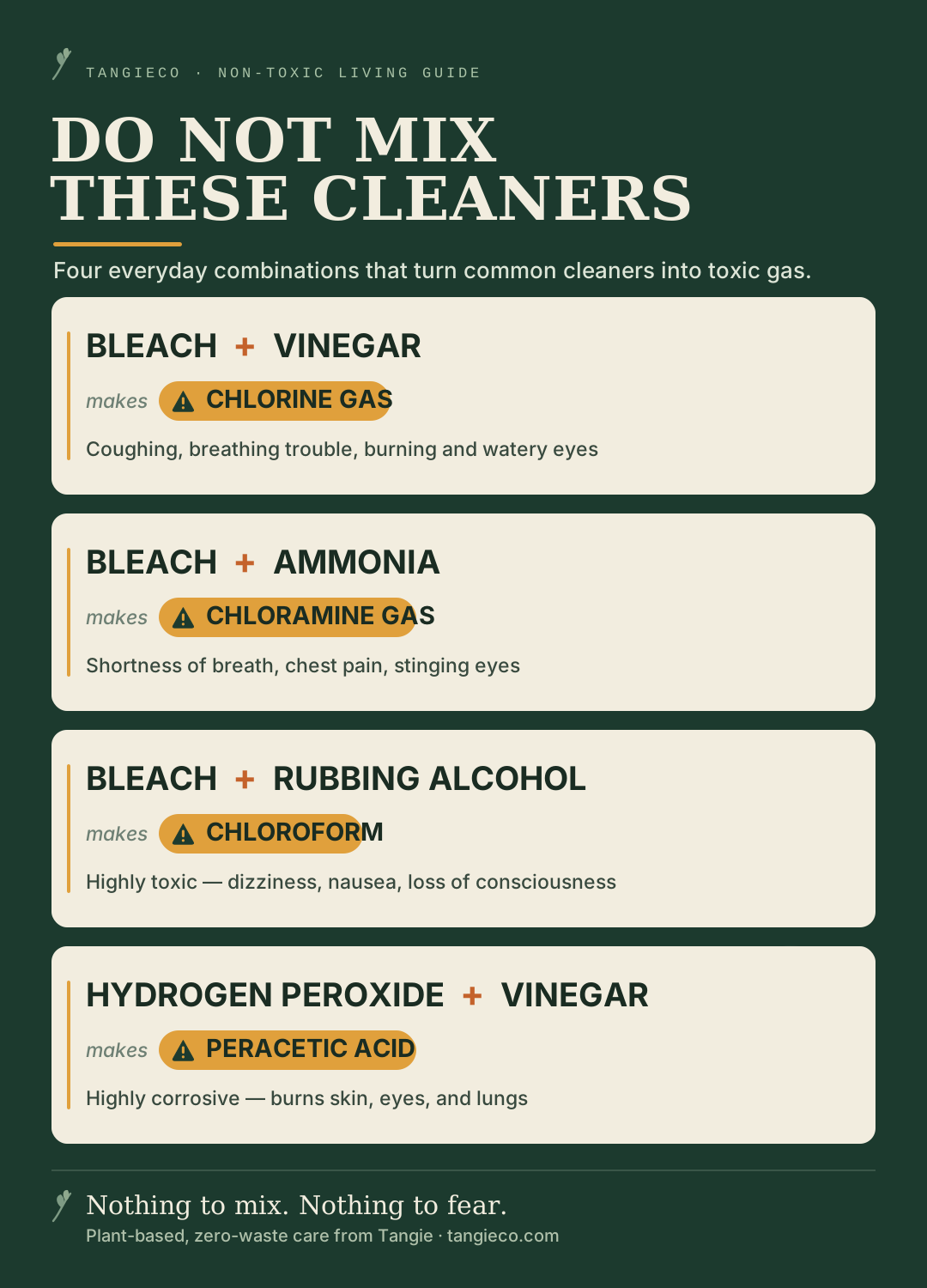
Cleaning products have chemicals, and sometimes we forget that two chemicals should never be mixed. For example, combining bleach with ammonia creates a noxious cloud of chloramine vapors that can irritate the respiratory system and cause severe health issues. Similarly, mixing vinegar with hydrogen peroxide generates peracetic acid, which can be corrosive and irritating to the skin and eyes.
Every year, people are hospitalised after accidentally mixing cleaning products that react dangerously with each other. Most assume that if something is sold on a supermarket shelf, it’s safe to use alongside other household cleaners. It isn’t.
Bleach, ammonia, vinegar, hydrogen peroxide, and drain cleaners are all common, inexpensive products, and several combinations of them produce toxic gases that can cause lung damage, chemical burns, or even more severe consequences.
TL;DR: Household Cleaning Products You Should Never Mix
| Never mix bleach with anything but plain water Bleach (sodium hypochlorite) reacts with almost every common cleaner to release toxic gas. Bleach + ammonia makes chloramine gas; bleach + vinegar, lemon, or any acid makes chlorine gas; bleach + rubbing alcohol makes chloroform; bleach + acidic drain cleaner makes chlorine gas or a boiling “chemical geyser.” The golden rule: treat bleach as a “loner” unless the label says otherwise. |
| Bleach and ammonia is the single most dangerous combination Toxicologists consistently cite bleach + ammonia (chloramine gas) as the most dangerous accidental household mix, with bleach + vinegar (chlorine gas) second. Both cause immediate respiratory damage and can be fatal in poorly ventilated spaces. Ammonia hides in glass cleaners like Windex, degreasers, oven cleaners, and even urine — so check labels for ammonium hydroxide, ammonium chloride, or anything ending in “-amine.” |
| “Natural” combinations can still be hazardous Hydrogen peroxide + vinegar creates corrosive peracetic acid — safe used on a surface one after the other, never combined in one bottle. Baking soda + vinegar is safe but pointless mixed (they neutralize each other); use them sequentially instead. Fabuloso and lemon juice both count as acids, so neither should meet bleach. Vinegar + dish soap is one of the safest DIY combinations. |
| If you mix products accidentally: leave, ventilate, and call Poison Control. Leave the area immediately, close the door, and get to fresh air — don’t try to clean the spill. Ventilate only if you can do so safely from outside the room. Call Poison Control (US: 1-800-222-1222) or 911 for emergencies. Seek emergency care for difficulty breathing, chest tightness, or eye pain that doesn’t clear in fresh air within 10 minutes. |
Table of contents
- What Happens When You Mix Two Cleaning Products?
- Why You Must Never Mix Bleach And Vinegar?
- What Not to Mix With Bleach
- Can you mix Fabuloso and Bleach?
- Can You Mix Lemon & Bleach?
- Can You Mix Two Drain Cleaners?
- Can You Mix Baking Soda & Vinegar?
- Can You Mix Hydrogen Peroxide and Vinegar?
- What To Do if You Accidentally Mix Cleaning Products
- Chemicals Not To Mix Chart
- Frequently Asked Questions
This guide covers every combination you need to avoid, exactly what each reaction produces, and what to do if exposure happens.
What Happens When You Mix Two Cleaning Products?
Every household cleaner you use contains chemicals that should not be mixed with those of other cleaners. Mixing some household products may seem harmless, but it is always good to know more about the contents of the products you use.
This isn’t just a folk warning. The CDC (Chlorine — Chemical Emergencies Fact Sheet) states plainly that household chlorine bleach can release chlorine gas if it is mixed with certain other cleaning products, and its guidance is blunt: do not mix household cleaners. Because chlorine gas is heavier than air, it sinks into lower areas and increases the risk of exposure there — one reason a poorly ventilated bathroom or laundry room is the worst place for an accidental mix.
It’s important to remember that every household cleaner you use is made up of various chemicals, and these substances can react unpredictably when mixed with those in other cleaners. While it might seem innocent enough to combine certain products, taking a moment to understand what’s in these cleaners can make a big difference in keeping your home safe.
By being mindful of the ingredients and how they interact, you can create a healthier environment for yourself and your loved ones. Your safety matters, and a little awareness goes a long way in protecting the well-being of your household.
| Combination | What it produces | Danger level |
| Bleach + Ammonia | Chloramine gas | Severe |
| Bleach + Vinegar | Chlorine gas | Severe |
| Bleach + Rubbing alcohol | Chloroform + HCl | High |
| Bleach + Hydrogen peroxide | Oxygen gas + heat | High |
| Hydrogen peroxide + Vinegar | Peracetic acid | Medium |
| Different drain cleaners | Violent exothermic reaction | High |
| Ammonia + Hydrogen peroxide | Unstable oxidiser | Medium |
Most conventional cleaning products are chemically aggressive by design. They need to be breaking down grease, killing bacteria, and dissolving limescale, all of which require strong chemical reactions. The problem is that the same reactivity that makes them effective cleaning agents also makes them dangerous when they encounter other reactive compounds.
Trusted Sources on Cleaning Product Safety – Sources & Safety References
| Agencies | Authority | What It Confirms | Important Sources |
|---|---|---|---|
| U.S. Environmental Protection Agency (EPA) | Federal environmental agency | Never mix household cleaning products unless the label directs it; never add bleach to other chemicals. | epa.gov |
| NIOSH — National Institute for Occupational Safety and Health (CDC) | Federal occupational-safety agency | The National Institute for Occupational Safety and Health (NIOSH), part of the CDC, is dedicated to ensuring safe and healthy working conditions. NIOSH conducts research and recommends practices to prevent work-related injuries and illnesses, highlighting the hazards of mixing cleaning chemicals. | cdc.gov/niosh |
| OSHA | The Occupational Safety and Health Administration (OSHA) plays a crucial role in workplace safety, including chemical safety. | Chemical Data |
Why You Must Never Mix Bleach And Vinegar?
While bleach and vinegar are considered laundry additives, mixing bleach and vinegar is one of the most common household mistakes you can make. When you combine these two substances, they undergo a chemical reaction that creates toxic chlorine gas.
Bleach And Vinegar Reaction = Chlorine Gas
Poison Control confirms the chemistry: mixing bleach with an acid forms chlorine gas, and many household cleaners contain acids, including vinegar and some toilet bowl cleaners. Their recommended response matches the steps below — if you inhale chlorine gas, leave the area immediately and breathe fresh air.
Chlorine gas was used as a chemical weapon in World War I for a reason. Even in small, “cleaning-sized” quantities in a poorly ventilated laundry room or bathroom, it can be devastating:
Inhalation: It attacks your airways, causing immediate coughing, choking, and a burning sensation in the chest.
Eyes and Nose: It reacts with the moisture in your eyes and nose to create hydrochloric acid, leading to severe stinging, watering, and redness.
Fluid in the Lungs: In higher concentrations, it can cause pulmonary edema (fluid buildup in the lungs), which can be fatal.
If you need both the whitening power of bleach and the deodorizing power of vinegar, use them in separate loads.
If you must use them on the same item, wash the item with bleach, run it through a full rinse cycle (or two) to ensure all bleach is gone, and then you can safely use vinegar in a follow-up wash.

What Not to Mix With Bleach
Mixing bleach with other household products is not just a cleaning “fail”; it can be a life-threatening chemical mistake. Bleach (sodium hypochlorite) is a highly reactive base that triggers the release of toxic gases when it meets almost any other common cleaner.
Bleach + Ammonia = Chloramine
Chloramine gases pose serious health risks. They irritate your eyes, nose, and throat immediately. In high concentrations, they can fill your lungs with fluid, leading to respiratory failure. Nitrogen trichloride is especially dangerous because it can act as a liquid explosive and severely irritate your respiratory system.
Products that commonly contain hidden ammonia –
| Glass and window cleaners (e.g., Windex, most supermarket glass sprays) |
| Multi-purpose sprays with “degreaser” on the label |
| Some floor polishes and waxes |
| Oven cleaners |
| Jewellery cleaning solutions |
| Urine: Relevant if cleaning up after pets or cleaning heavily soiled bathrooms |
| On labels, look for: ammonium hydroxide, ammonium chloride, or any ingredient ending in “-amine” |
Bleach + Rubbing Alcohol (Isopropanol or Ethanol) = Chloroform
Rubbing alcohol (isopropanol or ethanol) is a staple disinfectant. Bleach is a staple disinfectant. It seems logical to use both, but the reaction between them produces a range of toxic organic compounds.
Chloroform acts as a central nervous system depressant. When you inhale its vapors, you may experience dizziness, headaches, and even loss of consciousness. It is a known carcinogen and can damage your liver and kidneys.
Chloroacetone, produced in the same reaction, acts as a powerful lacrimator (tear gas), causing intense eye pain and temporary blindness.
Look out for hand sanitizers, certain aerosol disinfectants, and some specialized glass cleaners.
Bleach + Hydrogen Peroxide = Oxygen Gas
Although the resulting oxygen gas is non-toxic, this reaction releases significant heat and can cause a rapid expansion of gas. The mixture foams and sprays violently, which can lead to chemical burns if it splashes onto your skin or into your eyes.
You can find non-chlorine bleaches (often labeled “Oxy” or “Color-Safe”), certain stain removers, and some whitening toothpastes.
Bleach + Drain Cleaners = Chlorine Gas
Most drain cleaners use strong acids (like sulfuric acid) or strong bases (like sodium hydroxide). When you mix bleach with acidic drain cleaners, you release massive amounts of chlorine gas.
If the drain cleaner is alkaline, mixing it with bleach creates a highly exothermic reaction that can boil the water in the pipes. This reaction causes a “chemical geyser,” where boiling, caustic liquid erupts from the drain, leading to thermal burns from the heat and chemical burns from the high pH.
Watch out for liquid “clog removers,” foaming pipe cleaners, and some septic tank treatments.
Products that commonly contain bleach (sodium hypochlorite)
- Any product labelled “disinfecting,” “sanitising,” or “whitening.”
- Toilet bowl cleaners
- Mould and mildew sprays
- Whitening laundry additives
- Some grout cleaners and tile cleaners
- On the label: “sodium hypochlorite” — the percentage is usually listed (typically 1–3% for household products)
Can you mix Fabuloso and Bleach?
While Fabuloso is a popular multi-purpose cleaner, mixing it with bleach can create dangerous, toxic fumes. Even the official Fabuloso website explicitly states: “Do not use with chlorine bleach.”
The primary risk comes from the specific chemical makeup of Fabuloso:
Lactic Acid: Many Fabuloso formulas (especially the “Complete” or Antibacterial versions) contain lactic acid or citric acid. As we’ve discussed, mixing any acid with bleach releases toxic chlorine gas, which can cause immediate respiratory distress, eye irritation, and lung damage.
Surfactants and Fragrances: Even in versions without high acid content, Fabuloso contains a complex mix of fragrances and detergents (surfactants). Mixing these with a strong oxidizer like bleach can lead to unpredictable chemical reactions or the release of irritating vapors.
If you combine the two, you may notice:
A Sharp, Pungent Smell: This is the chlorine gas being released.
Immediate Coughing: Your body’s way of trying to expel the toxic gas.
Watery Eyes and Burning Throat: The gas reacts with the moisture in your mucous membranes to create acid.
Can You Mix Lemon & Bleach?
You should never mix lemon juice and bleach. While it might seem like a “natural” way to boost your cleaning power, this is a dangerous chemical combination. Just like vinegar, lemon juice is an acid (citric acid), and mixing any acid with bleach (sodium hypochlorite) triggers a chemical reaction that releases toxic chlorine gas.
Golden Rule of Cleaning: Bleach is a “loner.” Unless the bottle specifically says otherwise, assume it should only be mixed with plain water.
In a small, unventilated space like a bathroom or a small laundry room, the concentration of this gas can become dangerous.
Can You Mix Two Drain Cleaners?
You should never mix two different drain cleaners. Mixing drain cleaners is one of the most common causes of accidental chemical explosions and toxic gas releases in the home. Because different brands use wildly different active chemicals, combining them creates a “chemical battleground” inside your pipes.
Many liquid drain cleaners contain Sodium Hypochlorite (bleach). If you pour a bleach-based cleaner down a drain that already has an acidic cleaner in it, the reaction releases Chlorine Gas.
⚠️ If you poured a chemical down the drain and the clog is still there, do not try a different brand.
Can You Mix Baking Soda & Vinegar?
Technically, yes, you can mix them, but it’s probably not doing what you think it’s doing. When you mix baking soda (a base) and vinegar (an acid), they undergo an immediate chemical reaction.
Adding both to your washing machine or using it as a laundry hack at the same time is useless. They will simply neutralize each other in the water, leaving you with no extra cleaning power.
To actually get the benefits of both, you should use them sequentially, not simultaneously:
Scrub with Baking Soda first: Use its abrasive properties to lift grease and grime.
Rinse with Vinegar second: The vinegar will react with any leftover baking soda residue, “fizzing” it out of tight cracks and leaving a streak-free, shiny finish.
Can You Mix Hydrogen Peroxide and Vinegar?
You should never mix hydrogen peroxide and vinegar in the same container. While both are fantastic natural cleaners on their own, combining them creates a third chemical called peracetic acid.
You can use them on the same surface, just never in the same bottle. If you are trying to sanitize a cutting board or a countertop, the “two-step” method is actually more effective at killing bacteria than bleach:
- Spray the surface with Vinegar and wipe it down.
- Spray the surface with Hydrogen Peroxide and wipe it down.
What To Do if You Accidentally Mix Cleaning Products
Accidentally mixing cleaning products can lead to dangerous chemical reactions, posing serious health risks. If you find yourself in this situation, it’s crucial to act quickly and calmly. First, identify the products involved; common combinations, such as bleach and ammonia, can produce toxic gases.
Immediately ventilate the area by opening windows and doors to allow fresh air in. If any harmful fumes are present, evacuate the space immediately and seek medical attention if you experience symptoms such as coughing, difficulty breathing, or irritation.
Leave the area immediately. Don’t try to clean up the spill. Leave the room, close the door behind you, and get to fresh air.
Ventilate. If you can do so safely from outside the room, open windows. Do not re-enter.
Call Poison Control — US: 1-800-222-1222 / UK: 111 / Australia: 13 11 26. Call 911 if it’s an emergency.
Go to emergency care if you experience difficulty breathing, chest tightness, severe coughing, or eye pain that doesn’t resolve in fresh air within 10 minutes.
Don’t induce vomiting if a product was swallowed; follow Poison Control’s instructions only.
Chemicals Not To Mix Chart
| Chemical A | Chemical B | Chemical Reaction | Primary Risk / Symptom |
| Bleach | Ammonia (Glass cleaner, some floor cleaners) | Chloramine Gas | Fluid buildup in lungs (pulmonary edema); shortness of breath. |
| Bleach | Vinegar / Acids (Lemon juice, toilet cleaners) | Chlorine Gas | Immediate respiratory failure; “burning” of the throat and lungs. |
| Bleach | Rubbing Alcohol | Chloroform | Central nervous system shutdown; dizziness and liver damage. |
| Drain Cleaner (Acid) | Drain Cleaner (Base) | Explosive Heat | Chemical “geyser” that shoots boiling caustic liquid into eyes/face. |
| Hydrogen Peroxide | Vinegar | Peracetic Acid | Highly corrosive vapor that damages skin, eyes, and lungs. |
| Antifreeze | Ingestion | Ethylene Glycol | Rapid kidney failure. Fatal to pets and children due to sweet taste. |
| Windshield Fluid | Ingestion | Methanol | Metabolic acidosis, permanent blindness, and coma. |
| Mothballs | Inhalation / Ingestion | Naphthalene | Red blood cell destruction and organ failure. |
| Oven Cleaner | Skin Contact / Ingestion | Sodium Hydroxide | Deep tissue “melting” (liquefactive necrosis) and systemic shock. |
Most dangerous mixing accidents happen because conventional cleaning products contain highly reactive compounds — sodium hypochlorite, ammonia, and strong acids, that are chemically aggressive by design. Plant-based cleaning concentrates, by contrast, use gentler surfactants that don’t produce toxic gases when they come into contact with common household surfaces or other cleaning agents. Tangie’s All-Purpose Cleaner Bar contains no bleach, no ammonia, no synthetic solvents, and no hidden reactive chemicals, meaning the combinations on this list simply aren’t a risk if it’s what you’re cleaning with.
Mixing household cleaners is a dangerous gamble that turns a routine chore into a life-threatening chemical emergency. Most people assume store-bought products are inherently safe, but the chemistry inside those bottles is highly reactive. Sodium hypochlorite, the active ingredient in bleach, is the most common offender.
When you mix bleach with ammonia, you generate chloramine gas; when you mix it with vinegar or lemon juice, you release toxic chlorine gas. Both reactions cause immediate, severe lung damage and can be fatal in unventilated spaces.
Even “natural” combinations are risky. Combining hydrogen peroxide and vinegar creates peracetic acid, a corrosive substance that attacks your skin, eyes, and respiratory system. Mixing different brands of drain cleaners is equally catastrophic, often triggering violent, boiling “geysers” that shoot caustic chemicals back out of the pipes.
To stay safe, follow one absolute rule: Never mix cleaning products. Use a single product, rinse the area thoroughly with water, and ensure the room is well-ventilated before introducing a second cleaner.
If you smell a sharp, chemical odor or start coughing, drop everything and exit the building immediately. Your health is worth more than a “deep clean” achieved through hazardous chemistry. Make it less passive and more friendly.
Frequently Asked Questions
Not recommended. Mixing bleach and baking soda produces a small amount of chlorine gas and causes the bleach to lose its disinfecting effectiveness rapidly. While less immediately dangerous than bleach and ammonia, you’re creating chemical waste without any cleaning benefit. Use baking soda for scrubbing and deodorising, and bleach for disinfecting — never at the same time.
Yes — vinegar and dish soap are safe to combine. Vinegar is a mild acid, and most dish soaps are pH-neutral or slightly alkaline. They won’t produce toxic gases. The vinegar may slightly reduce the soap’s lathering, but the combination is safe and reasonably effective for light cleaning. It’s one of the safest DIY cleaning combinations you can make.
Bleach and ammonia produce chloramine gas and are consistently cited by toxicologists and public health authorities as the most dangerous accidental household chemical combination.
Bleach and vinegar (chlorine gas) are the second most serious. Both can cause permanent lung damage and, in poorly ventilated spaces, can be fatal.
Call Poison Control immediately — don’t wait for symptoms. US: 1-800-222-1222. UK: 111. Australia: 13 11 26. Remove the child from the area, get them to fresh air, and have the product names ready when you call.
If the child inhaled fumes and is showing any respiratory distress, call emergency services (911/999/000) rather than Poison Control.


