
Laundry Additives: What Works, What’s Safe, and What to Skip

Social media has led to many changes in the laundry room. From vinegar to baking soda, we have all tried using different laundry hacks to ensure our laundry comes out clean. Most of these TikTok & Instagram videos do not provide guidance on how to use them, when to use them, or whether they are safe for regular use.
Even when I was trying to create the Laundry detergent bar by myself, I couldn’t help but look at so many of these laundry routine videos and wonder if they come with any disclaimers.
TL’DR: Laundry Additives & Safety
| What are Additives? Additives boost detergent; they never replace it. An additive earns its place only when it fixes a real chemical problem (hard water, organic stains, residue), not when it just adds scent. |
| Best Laundry Additives To Use: Baking soda: softens hard water, neutralizes odor. ½ cup per load. Safest option, but it won’t sanitize. White vinegar: strips detergent residue, works as a softener. ½ cup in the rinse cycle. Oxygen bleach (sodium percarbonate / OxiClean): best for organic stains, color-safe. Never on wool, silk, or “dry clean only.” Borax: water softener plus booster. ¼–½ cup, rinse well. EWG doesn’t rate it. Hydrogen peroxide (3%): whitens, spot-treats blood, sweat, grass. Breaks down into water and oxygen. |
| Skip These During Laundry: Synthetic liquid fabric softeners (waxy coating cuts towel absorbency) Optical brighteners (skin irritant, don’t biodegrade) 3-in-1 pods (PVA film sheds microplastics) Ammonia products (respiratory irritant, reactive) |
| Never mix the following: Bleach + vinegar → chlorine gas Bleach + ammonia → chloramine gas Hydrogen peroxide + vinegar → peracetic acid Machine safety: Read the manual first, don’t over-suds an HE machine, and run a monthly cleaning cycle if you use any wax-based product. |
Table of contents
What Are Laundry Additives?
Laundry additives are products designed to be used alongside your regular detergent to enhance its performance or provide specific benefits that detergent alone cannot offer. Think of them as “specialized tools” for your washing machine; they don’t replace your main cleaner, but they help you tackle specific challenges.
Common Types of Laundry Additives
Boosters (Stain & Odor Removal)
These are added to the wash cycle to help your detergent do its job more effectively, especially on tough or “set-in” issues.
To break down stubborn stains (grass, grease, food) or eliminate persistent odors (sweat, pet smells).
Common Examples: Baking Soda, vinegar, oxygen bleach (often sodium percarbonate), enzyme boosters, or products like OxiClean.
Fabric Softeners & Conditioners
Used to improve the “feel” and longevity of your clothing. These coat fibers with a lubricating layer to make fabrics feel soft, reduce static cling, help with wrinkle reduction, and protect fibers from friction during the wash cycle.
Note: These are typically added during the rinse cycle, not the wash cycle.
Bleaches (Whitening Agents)
These act as powerful chemical agents to whiten or disinfect.
Oxygen Bleach: Gentler and color-safe; excellent for brightening whites and removing stains.
Chlorine Bleach: Very strong and effective at whitening and disinfecting, but harsh. It is generally not color-safe and can damage delicate fibers like wool or silk.
pH Adjusters & Neutralizers
Often used in commercial or professional laundry settings to ensure the water pH is optimal for cleaning and to prevent “yellowing” or fabric stiffness caused by hard water or alkaline residue.
These are the most common laundry additives you will see in most laundry hacks & tricks videos. Let’s break down these common additives and understand whether they are truly effective & safe for laundry.
Are Laundry Additives Safe & Effective?
Laundry additives are effective only when they solve specific chemical problems rather than just masking them with fragrance. Functional boosters like oxygen bleach, borax, and enzyme presoaks are safe and highly effective for lifting organic stains and neutralizing hard water minerals.
Conversely, aesthetic additives like fabric softeners and scent beads often do more harm than good; they coat fibers in a waxy residue that reduces towel absorbency, irritates sensitive skin, and creates “scrud” buildup that can damage high-efficiency washing machines.
For the safest, most efficient routine, prioritize white vinegar to strip old detergent and oxygen-based cleaners for brightening, while avoiding wax-based products that compromise both fabric integrity and machine longevity.
Baking Soda – Best For Hard Water
Baking soda, often mixed with distilled white vinegar, is a popular DIY cleaning solution that has gained popularity on social media.
Most people who use it assert that adding a half-cup of this powder to washing machines reduces odors and enhances the whiteness of white clothing, even when other detergents and laundry boosters have not been successful.
Is Baking Soda Effective?
If you use hard water, baking soda could be beneficial since it functions as a water softener.
Yes, baking soda is an effective laundry additive because it helps boost detergent performance by balancing water pH, neutralizes odors instead of masking them, softens fabrics naturally, and keeps clothes looking brighter by reducing residue buildup.
Simply add about ½ cup to your wash along with regular detergent for best results. While it’s not a strong stain remover on its own, it’s a cheap and versatile way to improve overall laundry freshness and cleanliness.

Is Baking Soda 100% Safe?
In terms of safety for human health, fabrics, and the environment, baking soda (sodium bicarbonate) is arguably the safest household chemical you can use.
It is a food-grade ingredient. It is non-toxic if ingested in small amounts, safe for skin contact, and does not produce harmful fumes. Used in toothpaste, antacids, and food, baking soda is a suspension that can leave a chalky residue on dark clothing if overused.
Baking soda is excellent at neutralizing odors and softening water, but it is not a heavy-duty sanitizer. It won’t kill bacteria or mold like chlorine bleach or sanitizing additives will.
Distilled White Vinegar – Alternative to Fabric Softeners
Distilled white vinegar works by breaking down the minerals in hard water and stripping away excess detergent residue that often leaves clothes feeling stiff. Unlike commercial softeners, which coat fibers in synthetic chemicals and fragrances, vinegar is biodegradable and hypoallergenic, making it an ideal choice for those with sensitive skin or allergies.
To use it, simply add half a cup to the fabric softener dispenser or during the final rinse cycle. Not only does it leave fabrics feeling soft and plush, but it also acts as a powerful deodorizer, neutralizing stubborn odors from sweat, mildew, or smoke without leaving behind a vinegar scent once the clothes are dry.
Is White Vinegar Effective?
When added to the rinse cycle of a washing machine, vinegar helps to break down detergent residues, which can make fabrics feel stiff and scratchy. Additionally, it acts as a natural deodorizer, eliminating unpleasant odors and leaving garments with a fresh scent.
The acidity in distilled white vinegar can also help to brighten colors and whiten whites, promoting a cleaner overall appearance of laundry.
Moreover, using vinegar as a fabric softener can be beneficial for individuals with sensitive skin or allergies, as it is less likely to cause allergic reactions compared to conventional fabric softeners that may contain harsh chemicals or allergens.
Is Vinegar 100% Safe?
When using white distilled vinegar, exercise caution to avoid potential hazards. First, always dilute vinegar before applying it to surfaces or skin, as its acidity can irritate. Test a small area for sensitivity, especially on delicate materials or skin types.
Avoid mixing vinegar with bleach or hydrogen peroxide, as this combination produces toxic gases that can be harmful. Use vinegar in well-ventilated areas to prevent overwhelming odors and respiratory discomfort.
While vinegar is effective for cleaning, do not use it on natural stone surfaces like granite or marble, as it can etch and damage the finish. Lastly, be mindful of the quantity you use; excessive amounts can lead to residue buildup.
Oxygen Boosters – For Stain Removals
Oxygen boosters, such as sodium percarbonate (commonly found in products like OxiClean), are powerful cleaning agents that release oxygen when dissolved in water.
When sodium percarbonate dissolves in water, it breaks down into sodium carbonate and hydrogen peroxide, releasing oxygen. This process helps to lift stains and brighten fabrics.
Are Oxygen Boosters Effective?
Extremely effective, these products are widely regarded as the gold standard for removing a variety of organic stains, including those caused by food spills, grass, or blood. They excel at brightening both whites and colors without the harshness often associated with chlorine-based products.
Unlike traditional bleach, which can damage fabrics and lead to fading, these alternatives provide a gentler, yet powerful, solution for maintaining the vibrancy of laundry.
Their formulation allows for deep cleaning while preserving the integrity of the fabric, making them a preferred choice for households looking to achieve spotless results without compromising quality.
Are They 100% Safe?
Oxygen boosters (sodium percarbonate) are not “100% safe” in an absolute sense. While they are significantly safer and more environmentally friendly than chlorine bleach, they are still reactive chemicals that require careful handling. : Oxygen boosters can be destructive to certain fibers. You should never use them on:
“Dry Clean Only” items: These fabrics are often too delicate for the chemical reaction involved.
Protein-based fibers: Don’t use them with protein-based fibers, and the oxidizing action of oxygen bleach will break down the proteins, causing the fabric to weaken, yellow, or disintegrate over time.
While generally safe for skin once diluted in a washing machine, the raw powder should be handled with gloves and eye protection. This precaution is especially important for individuals with asthma or sensitive skin.
Borax – Boost Your Detergent Power
As a laundry additive, borax is a versatile and effective laundry booster, generally considered safe, but it is important to learn more about how to use it before it is added to your laundry care routines.
While it is often featured in the specialized process of laundry stripping, you may also find it helpful to add the powder directly to your washing machine to gently enhance the performance of your detergent.
Is Borax Effective?
Yes, borax is widely considered highly effective as a laundry booster.
Residue Removal: It helps strip away the buildup of old detergent and fabric softener that can make towels feel stiff or clothes look dull over time.
Water Softening: It binds to hard water minerals (calcium/magnesium), allowing your primary detergent to work significantly better. This is why it’s a favorite for people in hard-water areas.
Alkaline Boosting: With a pH of around 9.5, it creates an alkaline environment that helps break down acidic stains (like sweat, food, and grease) and neutralizes odors at the molecular level.
Whitening & Brightening: When dissolved in warm water, it can help restore brightness to dingy fabrics without the harshness of chlorine bleach.
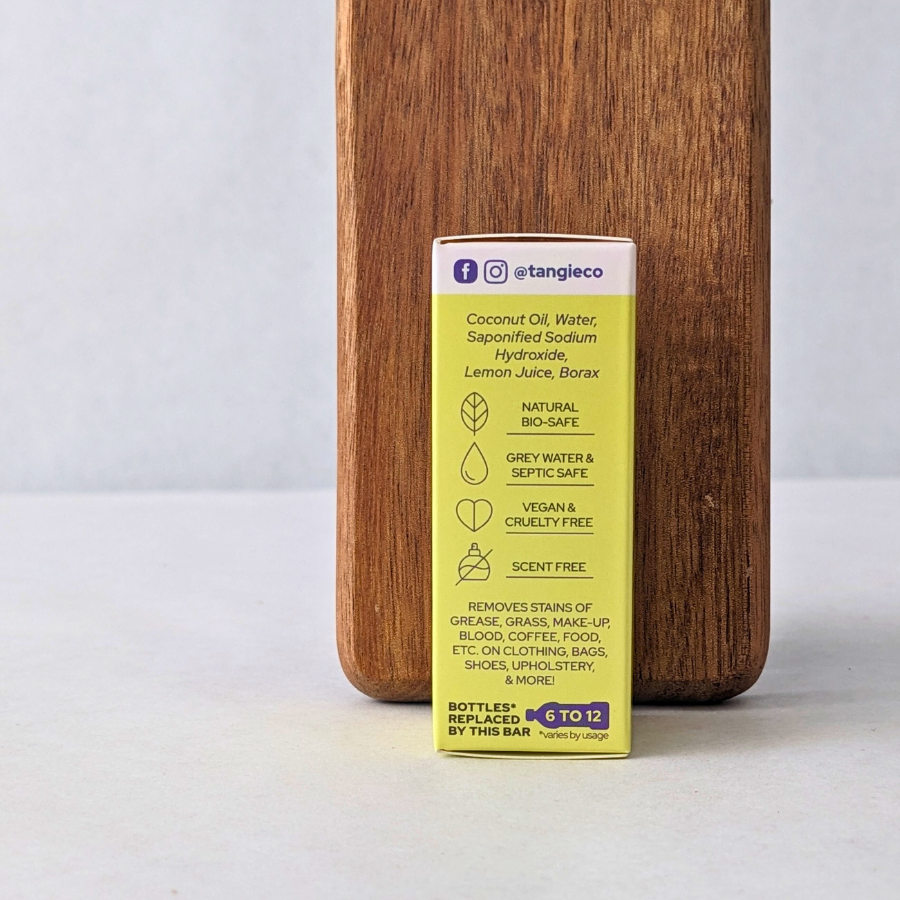
Is Borax Safe?
Small doses of 1/4 to 1/2 cup per load are generally safe for adults if rinsed thoroughly. While laundry stripping is an effective deep-cleaning method, frequent long soaks may lead to premature fabric wear.
Never mix Borax with chlorine bleach. This can create dangerous chemical reactions.
If you use too much or don’t let the machine rinse thoroughly, residue can remain on the fabric, potentially causing skin irritation for people with sensitive skin or eczema.
You should use Borax if –
- You live in an area with very hard water, and your current detergent isn’t performing well.
- You are dealing with heavy-duty odors (like gym gear or musty bedding) that won’t go away.
Don’t Use Borax If –
Unsure About Compatibility with Other Cleaners: Borax can react with certain cleaning agents, potentially creating harmful fumes or reducing effectiveness. If you’re mixing cleaners, it’s safer to choose products that are specifically designed to be used together.
When using Borax on surfaces that come into contact with food, it’s essential to rinse thoroughly. However, EWG does not rate Borax because it may leave residues that could be harmful if ingested, raising concerns about its safety in food preparation areas.
Hydrogen Peroxide
Hydrogen peroxide is primarily used as a gentle bleaching agent and stain remover, making it particularly effective for brightening whites by acting as a natural whitener that removes the “dingy” yellow or gray cast that builds up on white shirts and linens over time.
It excels at breaking down the proteins and pigments in organic stains, such as blood stains, which bubble upon contact with the enzymes in blood, sweat stains that create yellow underarm marks on shirts, and stains from fruits and vegetables like wine, berries, and tomato sauce, as well as other bodily fluids.
Is Hydrogen Peroxide Effective?
Yes, it is quite effective, but its mechanism differs from that of strong chemical cleaners. The Science: Hydrogen peroxide acts as an oxidizer. When it interacts with a stain, it releases oxygen molecules that break down the chemical bonds of the stain’s color, essentially “lifting” or bleaching away the hue.
Best Use: Spot-treating organic stains (blood, sweat, grass).
The “3% Rule”: The typical brown bottle available at pharmacies contains a 3% concentration. This is sufficiently effective for laundry purposes. Higher concentrations (employed by professionals) are hazardous and are not intended for home use.
For stains that have set in, you may need to apply it, allow it to sit for 15–20 minutes, and then repeat the process.
Is it Safe?
Hydrogen peroxide breaks down into just water and oxygen. It leaves behind zero toxic residues, making it one of the most environmentally friendly laundry additives available.
While not as harsh as Borax or Chlorine bleach, 3% hydrogen peroxide can still cause mild skin irritation if left on for a long time. If you have sensitive skin, it’s best to wear gloves or rinse your hands after application.
Do not use it on darks, bright colors, or anything that is “dry clean only,” such as silk or wool (it will damage the fibers just like oxygen boosters do).
Never mix hydrogen peroxide with vinegar in the same container.
This creates peracetic acid, which is corrosive, toxic, and can irritate your skin, eyes, and lungs. If you want to use both, apply them sequentially in separate steps (e.g., rinse thoroughly between applications).
Laundry Additives You Must Definitely Avoid
In this world where companies don’t disclose ingredients inside their cleaning products, it is important to stay cautious about the choices we make to clean our houses.
What’s inside our personal care products & cleaning products can have a huge impact on health & safety.
Synthetic “Liquid” Fabric Softeners
They use a “quaternary ammonium” coating to make fabric feel soft, but this coating is hydrophobic (water-repelling). Over time, this makes towels less absorbent, gym gear unable to wick sweat, and clothes trap odors deeper in the fibers.
“Optical Brighteners”
Optical brighteners are chemical dyes that cling to clothing and absorb UV light to create the illusion of a more vibrant white. They are documented skin irritants, particularly for those with eczema or contact dermatitis, and they persist in the environment because they do not easily biodegrade in water.
3-in-1 Detergent/Softener/Scent Pods
If you are aiming for a zero-waste lifestyle, these are your primary enemies. They are the definition of “convenience-based waste.” A 2021 Arizona State University study (Rolsky & Kelkar) estimated that about 8,000 tonnes of PVA slip through US wastewater treatment plants intact each year.
You have no control over the ratio of the ingredients; the plastic (PVA) film that encases them often does not fully break down (contributing to microplastic pollution), and they are frequently too harsh for delicate fabrics.
Any Ammonia-Based Product
While less common now, some older-school stain removers or heavy-duty laundry additives still contain ammonia. Ammonia is a respiratory irritant and is dangerously reactive.
From hair dyes to cleaning products, ammonia tends to be in places where it no longer belongs. Studies have proven they have side effects for both hair & body.
If it accidentally mixes with bleach residue in your machine (or in your plumbing), it creates toxic chloramine gas. It is simply not worth the risk when safer alternatives like hydrogen peroxide or oxygen bleach exist.
Common Laundry Additives You Should Not Mix
All common laundry products and additives are chemicals; there are a few chemicals you should not mix. Before knowing laundry additives you can use safely, mark this list of laundry additives that you should never mix at home.
Note: The CDC reports that mixing bleach with vinegar or ammonia releases chlorine and chloramine gases capable of causing severe lung tissue damage
| Additive A | Additive B | Chemical reaction | The Damage Done |
| Liquid Bleach | White Vinegar | Chlorine Gas | Immediate lung irritation, coughing, and potential respiratory failure. |
| Liquid Bleach | Ammonia-Based Cleaners | Chloramine Gas | Severe chest pain, shortness of breath, and fluid buildup in the lungs. |
| Hydrogen Peroxide | White Vinegar | Peracetic Acid | Creates a highly corrosive vapor that irritates eyes, nose, and throat. |
| Oxygen Bleach (Oxi) | Liquid Chlorine Bleach | Violent Oxidation | Rapid bubbling that can cause chemical splashes; neutralizes both cleaners. |
| Fabric Softener | Liquid Bleach | Unknown Volatiles | Depending on the softener’s formula, can release irritating fumes or skin-irritating residues. |
| Castile Soap | White Vinegar | Chemical Curdling | Not toxic, but turns into a thick, waxy “slime” that ruins clothes and clogs machines. |
| Different Drain Cleaners | Any Other Cleaner | Exothermic Reaction | If used in a laundry sink, can cause a boiling “geyser” or melt PVC pipes. |
Is It Good To Use Laundry Additives? – Final Verdict
Before adding anything new to your washing machine, read the user manual carefully. This step is crucial because using incompatible products can void your warranty.
The “Safety” Checklist for Your Machine
Each washing machine model has specific recommendations on detergents, softeners, and additives. Ignoring these guidelines may lead to costly repairs that won’t be covered under warranty.
Before you turn your washing machine into a science experiment, remember these three rules:
Never Mix Bleach and Vinegar: This creates Toxic Chlorine Gas. It is a common and dangerous household mistake.
Avoid Over-Sudsing: If you add too many “boosters” to an HE machine, the excess suds can leak into the electronics and fry the motherboard.
The “Scrud” Factor: If you use wax-based additives (softeners/scent beads), you must run a monthly cleaning cycle with a dedicated machine cleaner to prevent mold growth in the outer tub.
Stick to products specifically formulated for washing machines. These detergents clean effectively while protecting your machine’s internal components. Follow the recommended dosage closely to avoid damaging your clothing and the appliance. Using too much detergent can create excessive suds, affecting performance and potentially causing leaks or mechanical issues.
Avoid hacks that you are not completely aware of, such as using dish soap instead of laundry detergent, etc. Try only when you are completely sure about it, and remember, no additive can replace a laundry detergent; they are meant to be used together!


