
Mold Remediation vs Mold Abatement – Cost & Process Comparison

Living in areas where mold is prevalent can pose significant health risks and create an uncomfortable environment. From clothes to walls, mold spores can ruin everything in your house. Removing them entirely is extremely difficult; mold remediation has become a huge business.
Mold thrives in damp, humid conditions, making it a persistent issue in regions with high moisture levels. For those who suffer from allergies or have compromised immune systems, prolonged mold exposure can lead to serious health issues, and that can be incredibly distressing. It’s important to know that you’re not alone in facing this challenge.
Taking proactive steps, like ensuring proper ventilation and using dehumidifiers, can significantly reduce the risk of mold growth in your home. Regular maintenance and vigilance can make a big difference as well.
Let’s understand everything about mold remediation & the potential roadblocks –
Table of contents
What Is Mold Remediation?
Mold remediation is a crucial process that involves not only the removal of mold but also the treatment of the affected area to ensure that mold does not spread further and to prevent future growth. This comprehensive approach aims to restore the environment to a normal, natural state by reducing mold levels to acceptable standards.
What Is Mold?
Mold is a type of fungus that can grow in various environments, especially in areas with excess moisture, such as bathrooms, kitchens, and basements.
Some species of mold can produce harmful mycotoxins, which are toxic compounds that can pose significant health risks to humans and pets. Exposure to these mycotoxins can lead to respiratory issues, allergic reactions, and other serious health complications.
While it may not be feasible to eliminate all mold from clothes and the house, mold remediation focuses on reducing the levels of mold to a point where it is safe to live in. The accepted levels of mold can vary based on individual sensitivities and the specific environment, so it is essential to assess the situation carefully.
Professionals in mold remediation often conduct thorough inspections, identify the types of mold present, and employ various techniques for removal and prevention, such as cleaning, drying, and dehumidifying the area.
Mold Remediation Cost
The average cost for mold remediation is approximately $2,360, with prices varying between $1,225 and $3,750. The cost typically ranges from $10 to $25 per square foot in 2026.
Additional expenses may include:
Replacing flooring
Severely damaged flooring might need to be replaced. For instance, replacing vinyl plank flooring could cost between $335 for a small bathroom and over $5,000 for a basement.
Replacing drywall
If drywall is affected by mold, it may need to be removed and replaced. Mold-resistant drywall is about $20 for a sheet measuring 4 feet by 8 feet.
Improving drainage
Yards with poor drainage can lead to water accumulation, fostering mold growth. Installing an exterior French drain may cost between $10 and $50 per linear foot.
The cost of mold remediation can vary based on numerous factors, including your location, the type of mold, the level of damage, and whether you choose to temporarily relocate during the remediation process.
Things To Remember –
| The cost for professional mold remediation generally ranges from $1,200 to $3,750, with an average price of around $2,300 for most homeowners. |
| Mold removal can run between $10 and $25 per square foot, with costs for small area removals ranging from $500 to $1,500, while comprehensive remediation for an entire house can escalate to between $10,000 and $30,000. |
| The overall expense for mold remediation is influenced by the mold’s location, the severity of its spread, and whether any repairs are necessary after the cleanup. |
How Does Mold Remediation Work
Prevention to keep it from starting and Remediation to ensure it stays gone once discovered. In 2026, the standard for a healthy home remains focused on one critical element – moisture control.
To remediate mold in a home and prevent its spread, professionals take several steps –
Containment and Ventilation
The initial and arguably most critical step is establishing containment and ventilation. Utilizing appropriate ventilation and air filtration devices (AFDs) like air scrubbers is essential to make sure that disturbed mold spores don’t disperse to unaffected areas.
Cleaning and Disinfection
The subsequent step involves cleaning and disinfecting, which includes the actual removal and disposal of infected materials. Following this, technicians apply biocide/fungicide/moldicide solutions.
While chlorine bleach is commonly used to kill mold, it is not an EPA-approved biocide. An alternative, such as Moldstat, an EPA-registered fungicide, is needed instead. If there is heavily concentrated mold growth covering an area of 3 feet by 3 feet or near the HVAC system, it must be contained to avoid dispersal.
Addressing the Mold Source
Next, technicians will tackle any moisture or humidity issues. For instance, if a loose duct from a bathroom fan is leading into the attic, the duct can be repaired. The mold remediation company might handle simple fixes but may need to employ a subcontractor for more complex repairs.
Encapsulating the Mold
Any mold that remains can be encapsulated with paint or a similar substance. This encapsulation method is acceptable for managing mold in a home, but it should only be used when most of the mold has been eliminated, and the affected area is completely dry.
It’s crucial to address the underlying cause of the mold before applying paint or caulk, as encapsulating active wet mold sources is not permitted.
Structural Repairs: Remediation doesn’t include rebuilding. You must budget separately for:
- Drywall Repair: $300 – $850 per area.
- Roof Repair: $350 – $1,250 (to stop the leak causing the mold).
- Dehumidifier Installation: $1,000 – $2,500 for whole-home units.
Is it possible to fully remediate mold?
Yes, mold can be effectively remediated. Mold remediation can address the affected area and stop its spread to other parts of the home. However, traces of dead mold may persist, which should be sealed using paint.
Mold Abatement vs Remediation
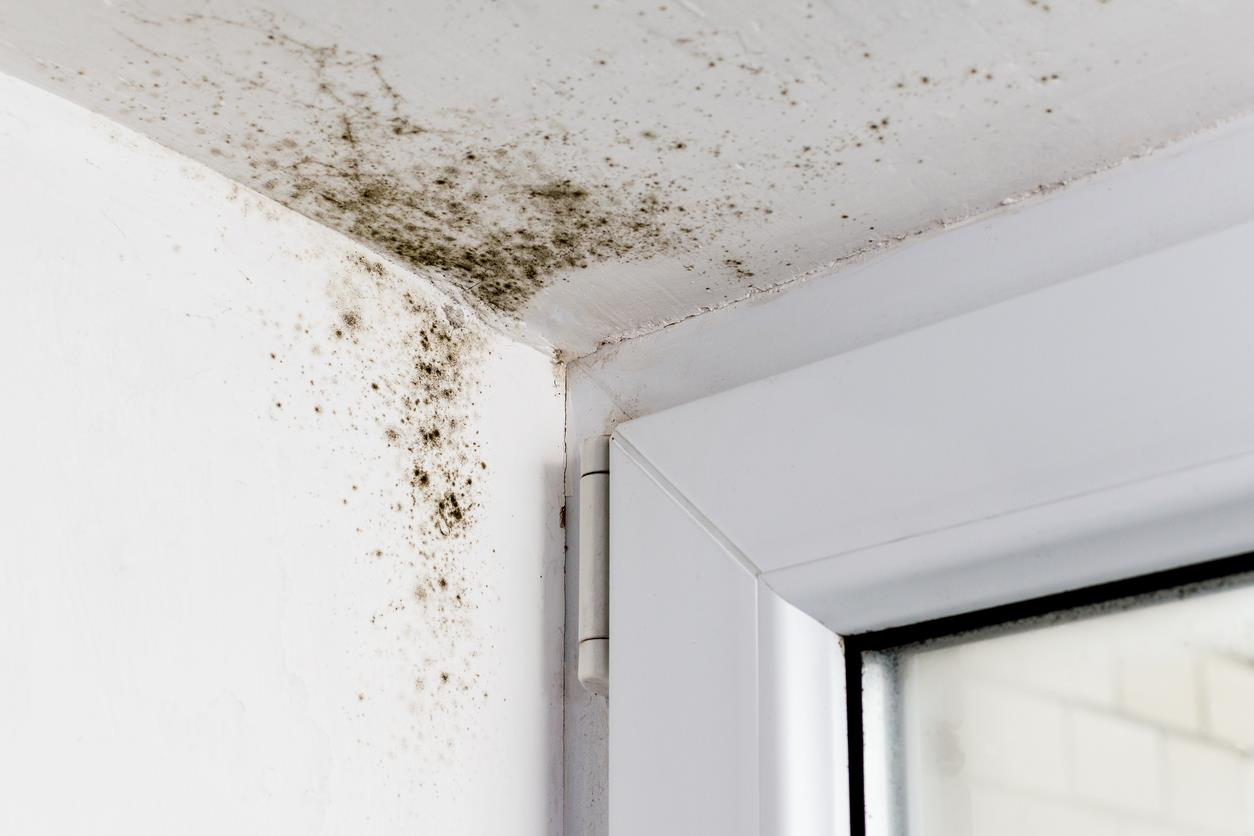
While these terms are often used interchangeably in casual conversation, they represent two very different philosophies in the world of environmental hazards. If you have a mold problem, knowing which one you need can save you thousands of dollars and prevent the mold from returning next season.
In short, Abatement is about removal, while Remediation is about a permanent cure.
What Is Mold Abatement
Abatement is the act of physically removing the mold that is currently visible. It is a reactive process. If a contractor performs abatement, they are focused on the “here and now.”
The main objective of mold abatement is to get the mold out of the building immediately.
Mold Abatement does not necessarily address why the mold grew in the first place. If you have a leaky pipe and you only perform abatement, the mold will likely return within weeks.
Mold Abatement Cost
In the USA, most homeowners spend between $1,200 and $3,800, with a national average of approximately $2,350.
Professionals generally price their labor and materials based on the surface area affected.
- Average Range: $10 – $25 per square foot.
- Small Area (<10 sq ft): Often a DIY job ($50 – $300 in supplies), as per EPA guidelines.
- Large Area (>100 sq ft): Professional intervention is required, typically starting at $1,000+.
Remember, Abatement (removing the mold) is only half the battle. Remediation includes the steps that ensure it never comes back.
Mold Inspection & Testing: $300 – $650. Essential to identify the species and ensure the air is safe post-cleanup.
Black Mold (Stachybotrys): Expect a 20% to 30% surcharge. Toxic strains require stricter containment, negative air pressure machines, and specialized PPE.
Generally, insurance only covers mold if it was caused by a “covered peril”, like a sudden pipe burst. If the mold grew slowly due to high humidity or a lack of maintenance, you will likely be paying out of pocket.
Remember to read your insurance policy terms before investing in a mold remediation or abatement. Many policies also have a “mold cap” of $5,000 or $10,000, which may not cover a whole-house event.
Tips for Mold Prevention and Remediation
Target 30–50% Humidity: Invest in a digital hygrometer. If your indoor humidity exceeds 60%, mold thrives. Use a dehumidifier in basements or humid climates to maintain that 45% “sweet spot.”
Furniture Gap: Leave a 1–2 inch gap between large furniture (like wardrobes or sofas) and exterior walls to allow air to circulate. Stagnant air trapped against a cold wall is a leading cause of “closet mold.”
Landscape Drainage: Ensure your gutters are clear and downspouts discharge at least 6–10 feet away from the foundation. The ground should slope away from your house at a 5% grade.
Insulate “Sweating” Pipes: Cold water pipes in warm rooms create condensation, a hidden water source for mold. Wrap them in foam insulation sleeves.
Stop the Leak First: Never clean mold until the water source is repaired. Otherwise, you are just wasting time. At minimum, use an N95 respirator, goggles (without vent holes), and long gloves.
Don’t Use Bleach on Wood/Drywall: Bleach is mostly water. The chlorine stays on the surface while the water soaks in, effectively “watering” the mold roots.
Don’t Paint Over Mold: It will peel within weeks. The mold must be physically removed and the surface dried before any primer is applied.
Mold Removal – What Is The Ideal Solution?
Abatement is the act of physically removing the mold that is currently visible. It is a reactive process. If a contractor performs abatement, they are focused on the “here and now.”
Remediation is a comprehensive, multi-step process that includes abatement but goes much further. It is the “medical treatment” for the building’s ecosystem.
Choose Abatement if: You have a small, isolated patch of mold (less than 10 square feet) caused by a one-time event, like a spilled bucket of water that you’ve already dried.
Choose Remediation if: You smell a “musty” odor but can’t find the source, if you’ve had a major flood, or if the mold keeps returning to the same corner of a basement.
Pro-Tip: Always hire a third-party mold inspector to do the initial testing. You should generally avoid having the same company do the testing and the actual cleanup, as this creates a conflict of interest.
The “ideal” solution for addressing mold issues in a home is Full Remediation, which goes beyond simple Abatement. Full Remediation is a comprehensive process that involves treating the home as a biological system.
This means it not only focuses on removing visible mold and cleaning affected areas but also addresses the underlying causes of mold growth, such as moisture issues.
By eliminating moisture, full Remediation prevents mold from returning. This process involves repairing leaks, improving ventilation, and using dehumidifiers to maintain appropriate humidity levels. Additionally, it includes trapping and containing mold spores to stop them from spreading throughout the home, which significantly reduces health risks for the occupants.


