
What Are Parabens?

“I was applying my favorite moisturizer when I noticed it had this ingredient: parabens. Should I be worried?”
We get questions like this all the time. Maybe you’ve spotted parabens or other mystery ingredients on your favorite products and thought, “What does this even mean?” For a lot of people, that moment of curiosity opens the door to realizing just how much goes into the products we use every day—and how little we know about them.
Table of contents
What Are Parabens In Your Personal Care Products?
Scientifically speaking, parabens are a group of synthetic compounds derived from para-hydroxybenzoic acid. They’ve been used since the 1920s as preservatives, helping to prevent the growth of harmful bacteria, mold, and yeast in cosmetics and skincare products.
Without preservatives like parabens, products could spoil quickly, especially since many of them contain water — the perfect breeding ground for microbes.
Common types you might see are methylparaben, propylparaben, butylparaben, and ethylparaben. They’re effective, inexpensive, and have been considered safe for decades, but in recent years, they’ve come under a lot of scrutiny.
Here’s where the conversation gets a bit more complicated. Some studies have found trace amounts of parabens in breast tumor tissue, which raised concerns about a possible link to cancer.
Today, many brands proudly label their products as “paraben-free,” catering to consumers who prefer to minimize potential health risks. If you’re concerned, switching to paraben-free products is easier than ever.
In short, parabens help keep your products fresh and safe, but ongoing debates about their long-term effects mean it’s smart to stay informed and choose products that align with your comfort level.
Where Are Parabens Most Commonly Found
Parabens are a group of synthetic compounds commonly used as preservatives in a wide variety of cosmetic and personal care products. Their primary function is to prevent the growth of harmful bacteria and mold, ensuring the safety and longevity of the products.
Parabens are common preservatives in daily leave-on and rinse-off products, especially those with high water content. By effectively inhibiting fungi and gram-positive bacteria, they maintain product integrity and protect user health.
Common personal care products that typically contain parabens include moisturizers, which help to hydrate and protect the skin; face and skin cleansers, designed to remove impurities and makeup; sunscreens, which shield the skin from harmful UV rays; deodorants, which inhibit odor-causing bacteria; shaving gels, which provide a smooth surface for shaving; toothpastes, which promote oral hygiene; as well as various types of makeup that improve appearance.
- Shampoos
- Conditioners
- Lotions
- Facial and shower cleansers and scrubs
- Sunscreens
- Moisturizers
How To Find Parabens In Your Products
The six most frequently utilized types are methyl-, ethyl-, propyl-, isopropyl-, butyl-, and isobutylparaben. The shorter-chain parabens, methyl- and ethyl-, are often combined, while butylparaben is typically used on its own.
- Ethylparaben
- Butylparaben
- Methylparaben
- Propylparaben
- Isobutylparaben
- Isopropylparaben
- Other ingredients ending in –paraben
Products containing these 4 parabens from EWG’s Skin Deep® database:
| Paraben | Skin Deep Score* | Number of Products |
| Propylparaben | 7 | 2,694 |
| Isopropylparaben | 8 | 47 |
| Butylparaben | 7 | 586 |
| Isobutylparaben | 8 | 285 |
* Scores of 7 to 10 indicate a high hazard.
Health Issues Associated With Parabens
Endocrine disruption
Parabens can disrupt endocrine function by mimicking estrogen and binding to estrogen receptors. High concentrations stimulate growth in MCF-7 breast cancer cells, with long-chain variants —including butyl, isobutyl, isopropyl, and propyl
Ethylparaben showed reduced estrogenic activity, while methylparaben exhibited virtually no estrogenic activity. Apart from their direct effects on estrogen, parabens may also interfere with androgens (like testosterone) and inhibit enzymes that process estrogen.
The Endocrine Disruption Exchange categorizes methylparaben, ethylparaben, propylparaben, butylparaben, isopropylparaben, and isobutylparaben as endocrine disruptors due to the diverse effects mentioned previously.
Skin Cancer
Using personal care products that contain parabens, particularly methylparaben, can cause UV-related damage to skin cells and disrupt cell growth rates. Regular application can result in higher levels of methylparaben, since it is not completely metabolized.
Furthermore, parabens in combination with other estrogenic substances may have the potential to affect the onset of malignant melanoma, a specific type of skin cancer, through their estrogenic and genotoxic properties.
Developmental and reproductive toxicity
Propyl and butyl parabens seem to decrease sperm production and lower testosterone levels, while methyl and ethyl parabens do not influence sperm production. These effects appear to depend on the dosage.
Additionally, one study indicated that maternal exposure to butylparaben during pregnancy and breastfeeding can modify the development of reproductive organs and sperm production.
Generally, propyl- and butylparabens disproportionately disrupt the male reproductive system and influence reproductive organs, consistent with their noted estrogenic activity.
Laboratory data suggest that maternal exposure to isobutylparaben during pregnancy can result in anxiety and behavioral changes in offspring.
In studies involving humans, researchers at the Harvard T.H. Chan School of Public Health discovered a link between lower fertility and urinary propylparaben levels (Smith 2013). Additionally, another study found that butylparaben and overall urinary paraben levels were associated with reduced fertility, as evidenced by shorter menstrual cycles (Nishihama 2016).
Harvard T.H. Chan School of Public Health
Do Parabens Cause Hormonal Problems?
At first glance, parabens might seem like a skincare superingredient, keeping products fresh and bacteria-free. But if you’ve heard whispers (or shouts) about why parabens are a problem, you’re not imagining it. There’s real scientific reasoning behind the concern.
Parabens are synthetic chemicals used as preservatives in cosmetics, skincare, and even some foods. They work by stopping the growth of mold, yeast, and bacteria, which is undeniably helpful. The issue is that parabens can be absorbed through the skin and have been detected in human tissues, including breast tumors. This raised a big, red flag in the scientific community.
| Parabens & Estrogen Parabens can mimic estrogen, a hormone naturally found in our bodies. Even in small amounts, this “hormone disruption” has the potential to interfere with normal hormone function. Estrogen fuels certain breast cancers. Traces of parabens have been identified in breast tumor samples, raising concern about whether local “estrogenic” activity could contribute to tumor growth. Scientific consensus hasn’t declared parabens a direct carcinogen or fertility toxin, but the estrogenic action is real. Many regulatory bodies cap allowable paraben concentrations, and “paraben-free” labels proliferate. Source: National Library of Medicine |
Although no study has conclusively proven that parabens cause cancer, the fact that they act like estrogen in the body makes many experts uneasy. There’s also concern about their potential impact on fertility and developmental health, especially with continuous exposure from multiple daily products — think shampoo, lotion, makeup, and deodorant, all adding up.
Adding to the problem is that regulations on cosmetic ingredients are relatively loose in many countries. So, while parabens are considered “safe in small amounts,” many people don’t want to take the risk, especially when alternatives are available.
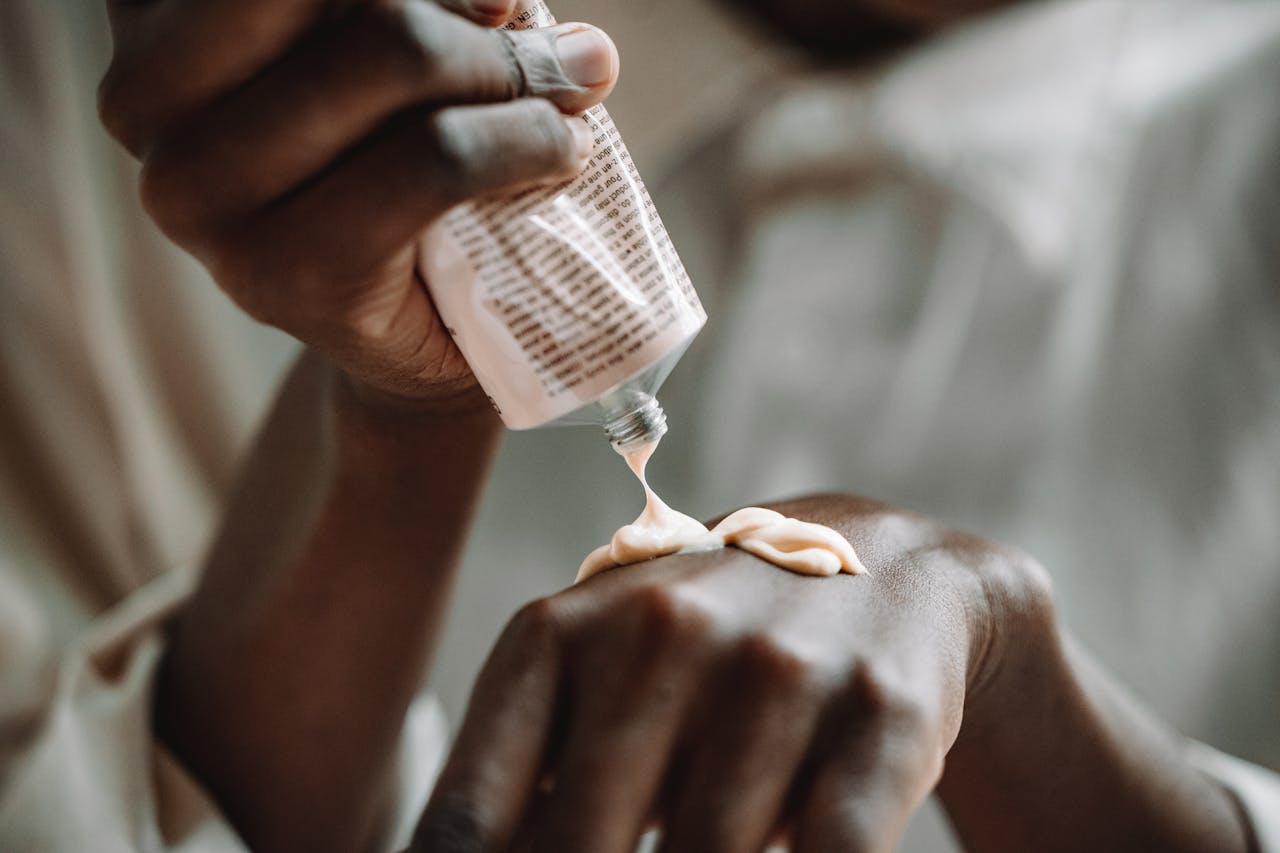
This hormone interference has been connected to everything from reproductive issues to an increased risk of certain cancers. That’s not exactly something you want to slather on your skin daily.
Does The FDA Oversee The Use of Preservatives in Cosmetics?
The FDA does not have specific regulations solely for preservatives in cosmetics. According to the Federal Food, Drug, and Cosmetic Act (FD&C Act), cosmetic products and their ingredients, except for color additives, do not require prior approval from the FDA before being marketed.
FDA.gov – Cosmetics Ingredients
Cosmetic manufacturers are responsible for the safety of their products. They conduct safety assessments and must comply with regulations regarding labeling and ingredient disclosure.
Nonetheless, to initiate action against a cosmetic based on safety concerns, there must be credible scientific evidence demonstrating that the product is harmful when used according to the label instructions or in the usual manner.
Alternatives To Parabens
When you’ve decided to ditch parabens, you’ll find plenty of scientifically backed and skin-friendly alternatives standing by. These preservatives keep your lotions, shampoos, and creams safe from microbial growth without triggering hormone-mimicking concerns.
First up is phenoxyethanol, a broad-spectrum agent that protects against bacteria and yeast. It’s often blended at low concentrations (usually ≤1%) and tends to be well-tolerated, although sensitive skin types should patch-test.
Ethylhexylglycerin is another multitasker: it boosts preservative efficacy and offers mild moisturizing properties, making it a dual-purpose additive.
For those who prefer food-grade options, sodium benzoate and potassium sorbate are your go-tos. Naturally derived from benzoic and sorbic acids, respectively, they’re effective against yeasts and molds, especially in formulations with a pH below 5.0.
If you’re creating a slightly more alkaline product, you might combine sodium benzoate with potassium sorbate for broader coverage.
Finally, gluconolactone, often paired with sodium benzoate, brings antioxidant benefits, chelates metals (which can destabilize products), and provides gentle preservation. It’s particularly popular in “clean” or “natural” skincare lines.
Keep in mind that no single preservative is a silver bullet – formulators frequently use combinations to achieve broad-spectrum protection while respecting pH, scent, and skin-feel requirements.
Always check the recommended usage levels, stay within regulatory guidelines, and perform microbiological testing to ensure both safety and shelf-life.
| Alternative | Source Origin | Spectrum of Activity | Typical Usage Level | Special Notes |
|---|---|---|---|---|
| Phenoxyethanol | Synthetic | Broad (bacteria, yeast) | 0.5–1.0% | Widely tolerated; patch-test sensitive skin |
| Ethylhexylglycerin | Synthetic | Synergist + mild boost | 0.3–1.0% | Also a conditioning agent |
| Sodium Benzoate | Benzoic acid (food) | Yeasts, molds | 0.1–0.5% | Best at pH <5; natural-label friendly |
| Potassium Sorbate | Sorbic acid (food) | Yeasts, molds | 0.1–0.3% | Often paired with sodium benzoate |
| Gluconolactone + SB | Gluconic acid (corn) | Broad + chelating | 0.5–1.0% combined | Antioxidant benefits; “clean” appeal |
How Do You Go Paraben Free?
When you’ve decided to cut parabens out of your routine, a little label-reading and savvy shopping go a long way. Here’s how to spot—and avoid—products that sneak in those “paraben” preservatives, plus naturally inspired options infused with essential oils.
First, inspect ingredient lists. Parabens usually end in “paraben” (methyl, propyl, butyl, ethyl). If you see any of those, move on. Next, favor reputable “clean” or eco-certified brands; they often guarantee paraben-free formulations and adhere to strict ingredient standards.

Second, use mobile apps like ThinkDirty or EWG’s Skin Deep. Scan barcodes to instantly see whether a product is paraben-free (and check for other unwanted nasties).
Third, embrace natural preservative systems. Many formulations rely on plant-derived alternatives—think fermented sugars, organic acids, or essential-oil blends that inhibit microbial growth.
Essential oils such as tea tree, rosemary, and grapefruit seed extract not only add fragrance but also bring mild antimicrobial properties.
Just remember: essential oils alone rarely deliver broad-spectrum preservation, so look for products where they’re combined with other bio-preservatives.
Finally, check pH and packaging. Products in air-tight pumps or tubes reduce contamination risks, meaning formulators can opt for gentler preservative systems. Lower pH (around 4–5) also makes it harder for bacteria and fungi to thrive.
By combining smart label-reading, clean-beauty certifications, and formulations that pair essential oils with other natural preservatives, you’ll keep your skincare arsenal both effective and paraben-free.
Does Tangieco Have Paraben-Free Products?
Yes! All Tangie® products are Paraben-free!
It’s time to take control of what we put on our bodies. By switching to non-toxic personal care products, you can protect yourself from hormone-disrupting chemicals and live a healthier life. 🌱
If you’re ready to make the switch, check out Tangie’s shop for safe, effective products that won’t disrupt your hormones.
At Tangie, we’re here to help you navigate all this. We’re committed to creating products that work for your body, not against it, and we’re always happy to answer your questions. Let’s take the guesswork out of choosing safer, healthier options.
Let’s talk! We’re always here to help you make informed, confident choices. 💚


